


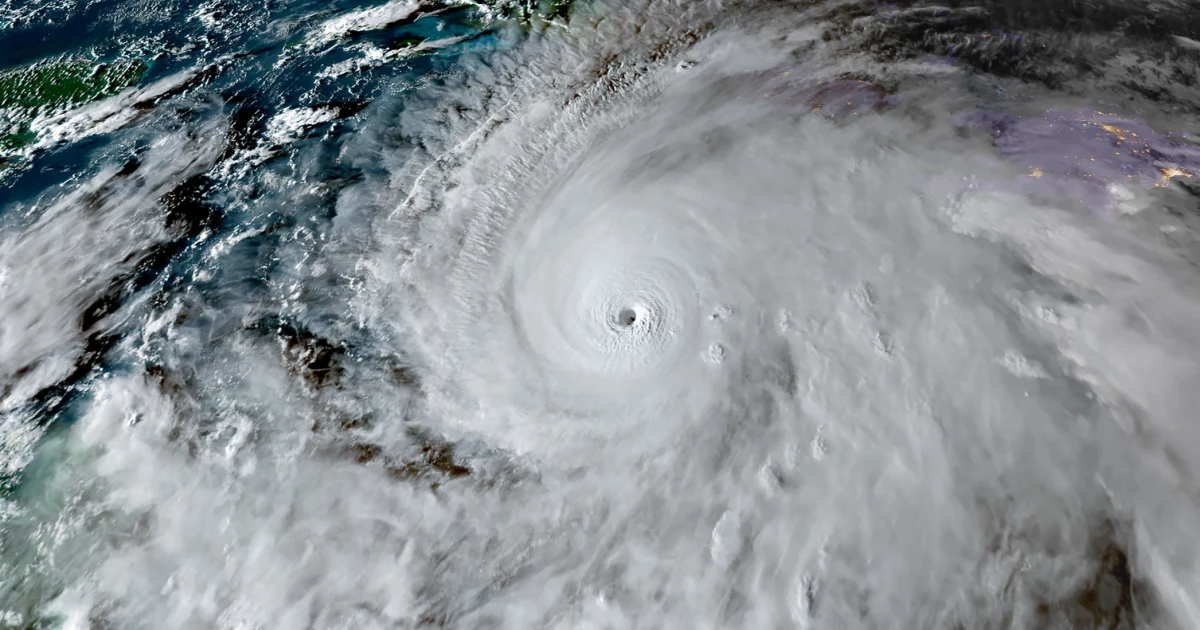
The Atlantic hurricane season kicks off this Monday, and for the first time in over a decade, meteorologists predict a modest intensity for hurricanes this year.
Subscribe to access ad-free stories
Enjoy unlimited reading of exclusive content without disruptions.

The forecast of below-average hurricane activity is primarily influenced by a strong El Niño, which is linked to a decrease in hurricanes across the Atlantic. Conversely, the Pacific Ocean is anticipated to have a more active hurricane season.
Most hurricanes impacting the United States typically form in the Atlantic. The National Oceanic and Atmospheric Administration (NOAA) predicts three to six hurricanes this season, along with eight to 14 named tropical cyclones (hurricanes are classified as such when winds reach 124 mph).
This forecast does not indicate the likelihood of any storm making landfall.
“It only takes one,” remarked Ken Graham, Director of the National Weather Service. In last month’s press briefing, he cited the example of Hurricane Andrew in 1992, one of the most costly hurricanes, occurring during a year that saw fewer storms than usual.
“Even in a below-average season, significant storms can still occur,” Graham added.
NOAA’s predictions align with other forecast models. A website maintained by Colorado State University and the Barcelona Supercomputing Center aggregates forecasts from 23 hurricane prediction centers and reports: the projected average number of hurricanes is five, while typically seven are expected in a standard year. Last year saw five hurricanes in the Atlantic, which was below the predicted range of six to ten. In 2024, there were 11 hurricanes, while NOAA had forecasted eight to 13.
El Niño is a natural phenomenon that causes increased surface temperatures in the tropical Pacific Ocean, influencing hurricane development by altering vertical wind shear, which refers to the differences in wind speed and direction at various atmospheric layers.
Hurricanes thrive in low wind shear conditions, allowing storms to establish a coherent rotation that circulates heat and moisture toward their centers.
However, El Niño is correlated with heightened vertical wind shear in the Atlantic, disrupting this process and making it harder for tropical disturbances off the African coast to strengthen into hurricanes. The opposite is true in the Pacific.
“El Niño diminishes vertical wind shear in the central and eastern Pacific Ocean, which is contrary to the conditions in the Atlantic. Thus, we can anticipate an above-normal season,” stated NOAA Administrator Neil Jacobs in a press conference last month.
Forecasters are predicting a strong El Niño shortly. Current NOAA estimates suggest an 82% probability of the phenomenon formally beginning by July, with a 96% likelihood of El Niño conditions manifesting between December and February in 2027.
Besides impacting hurricane formation, El Niño significantly affects broader weather patterns. Many regions in the U.S. may experience increased heat, exacerbated by global warming, which could push temperatures beyond the usual thresholds. El Niño is often associated with hotter, drier summers in the Pacific Northwest, potentially intensifying drought conditions, particularly concerning given the current lack of snow cover. Meanwhile, El Niño could also suppress the early summer monsoon in the Southwest and bring unusually rainy conditions during winter.
NOAA forecasts suggest that between nine and 14 hurricanes will develop in the Pacific this season. While Pacific hurricanes seldom make landfall in the continental U.S., they can trigger significant weather disruptions.
For instance, Hurricane Hillary, which formed in August 2023, was downgraded to a tropical storm before reaching the California coast, yet its moisture caused record precipitation across four western states. Similarly, Hurricane Dora passed within approximately 400 miles of Hawaii, sending strong winds that contributed to the devastating Lahaina Fire on Maui.
Hurricane Iniki, which made landfall in Hawaii in 1992, resulted in widespread destruction on Kauai and infamously interrupted filming for “Jurassic Park.”

Lin Mengxin / AP
This spring, several Hawaiian islands, including Maui and Oahu, have experienced severe flooding due to storms impacting areas usually shielded from rainfall.
The prospect of an active storm season induces anxiety among Hawaiians. Even without a direct hit from a hurricane, the associated winds and increased rainfall can pose significant risks.
Source: www.nbcnews.com