


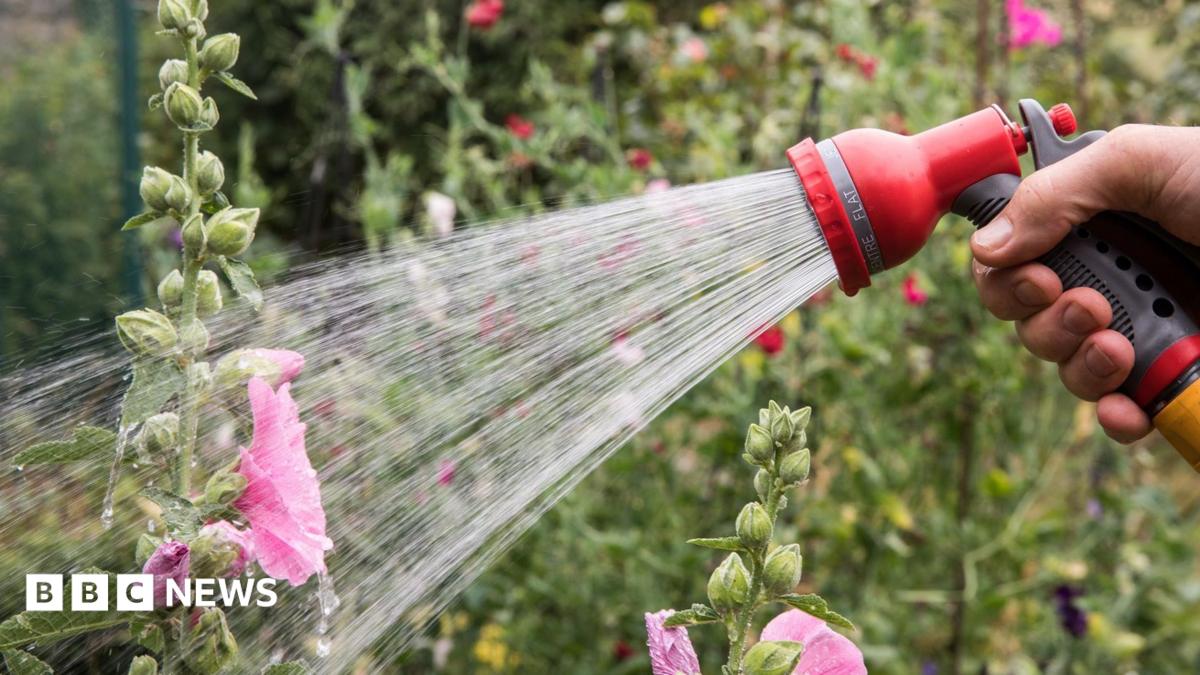
Drought is a multifaceted issue driven by both natural and human-induced factors.
According to the Met Office, UK summers are expected to become increasingly arid as global temperatures rise, although no definitive trend has been observed yet.
Rising temperatures directly increase evaporation rates, consequently drawing more moisture from the soil.
Professor Richard Allan of the University of Reading states, “As the atmosphere warms, it becomes thirstier for moisture, resulting in faster depletion of water in soils, rivers, and reservoirs. This escalation can lead to more frequent droughts, heat waves, and wildfires.”
However, the risk of water scarcity depends on additional factors, including water usage practices.
A significant review of the water sector in England and Wales highlighted that water companies have historically underinvested in essential water infrastructure.
To address potential water scarcity, government and water companies plan to construct nine new reservoirs in England by 2050, alongside an existing project underway in Havant Thicket, Hampshire.
Nevertheless, the Environment Agency cautions that the UK must also focus on mitigating leaks and reducing overall water demand, which may involve banning hosepipes and increasing the installation of smart meters.
Water providers in Scotland, Wales, and Northern Ireland—whether public or not-for-profit—are also actively seeking solutions to secure future water supplies.
Source: www.bbc.co.uk