


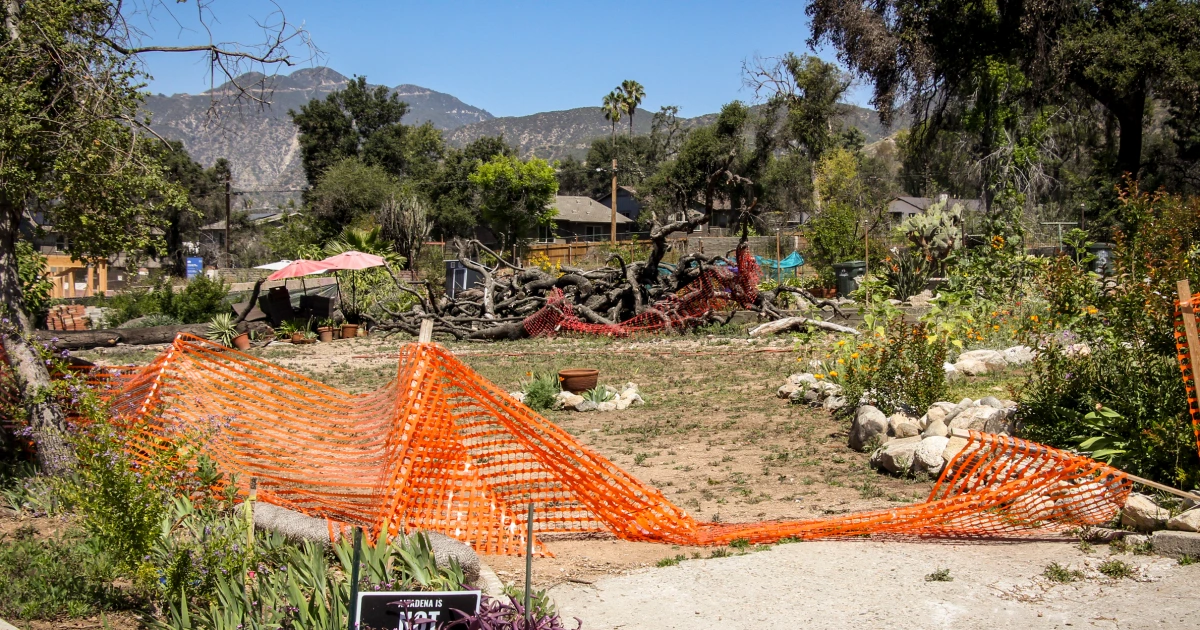
California currently lacks comprehensive safety standards regarding indoor residential contamination from various hazardous substances in Altadena, with the exceptions of lead and asbestos. This absence of clear guidelines complicates the decision-making process for homeowners and insurance companies regarding when it is safe to relocate. Moreover, companies that conduct contaminant testing often utilize inconsistent methodologies, further muddling the issue. In properties affected by wildfires, both FEMA and the U.S. Army Corps of Engineers did not mandate soil testing, leaving residents unaware of potential hazards.
Two whistleblowers involved in the Corps’ cleanup have expressed concerns about long-term soil contamination challenges for local communities.
Both whistleblowers, who chose to remain anonymous due to fears of retaliation, highlighted that the cleanup efforts were rushed and inconsistent. One eyewitness noted more debris remaining than after previous wildfires.
“It’s very incomplete. We’re addressing other fires by going fence to fence and scraping everything,” one of them remarked, “but not this time. Contaminants are still present.”
A representative from the Corps stated that the cleanup’s scope, including what materials to remove, was predetermined by FEMA and agreed upon by California’s state and Los Angeles County officials.
According to the spokesman, “The assigned mission focused on the removal of structural ash and debris, along with the top six inches of soil from the structural foundation. Soil testing was not part of the USACE mission mandate from FEMA.”
The Hidden Threat in Altadena’s Soil
Situated at the intersection of nature and urban life, Altadena boasts picturesque views surrounded by the San Gabriel Mountains.
As dusk falls, Altadena radiates warm terra cotta hues, with the silhouettes of downtown Los Angeles visible in the distance.
The Eaton Fire in January 2025 devastated 9,400 homes and structures, releasing hazardous substances such as lithium from electric vehicle batteries, arsenic from aged timber, and asbestos from attic insulation. Winds during the blaze reached up to 90 mph.
During the incident, Alireza Namayande, a postdoctoral researcher at Stanford University, gathered smoke samples at Pasadena Park using a specialized device to filter and analyze particulates. Namayande later found that most particles were nanosized—about one-thousandth the diameter of a human hair—capable of infiltrating the lungs, bloodstream, and brain.
Source: www.nbcnews.com