


Space launch costs: Why the United States leads Europe
SpaceX and the broader U.S. launch industry have made significant progress in reducing space launch costs compared with other countries. A decade ago, launch prices in the United States and Europe were relatively similar. Today, publicly available data indicates that launching an equivalent payload in Europe costs roughly three times more than launching it in the United States.
Researchers estimate that the average cost of placing one kilogram of payload into orbit from the United States is approximately $3,225. Launch costs are considerably higher in other regions, including Japan at $5,287 per kilogram, China at $5,809, Russia at $6,682, and Europe at $9,897. India has the highest estimated cost in the comparison, at nearly $15,000 per kilogram.
Average cost per kilogram to reach orbit by country in 2025.
Credit: Economics Letters
“India’s very high figures may be counterintuitive, as they stand in stark contrast to the country’s frugal space program narrative,” the authors write. “However, this is a result of focusing on the size of small rockets, which means that fixed costs are amortized over a limited payload, albeit low by international standards.”
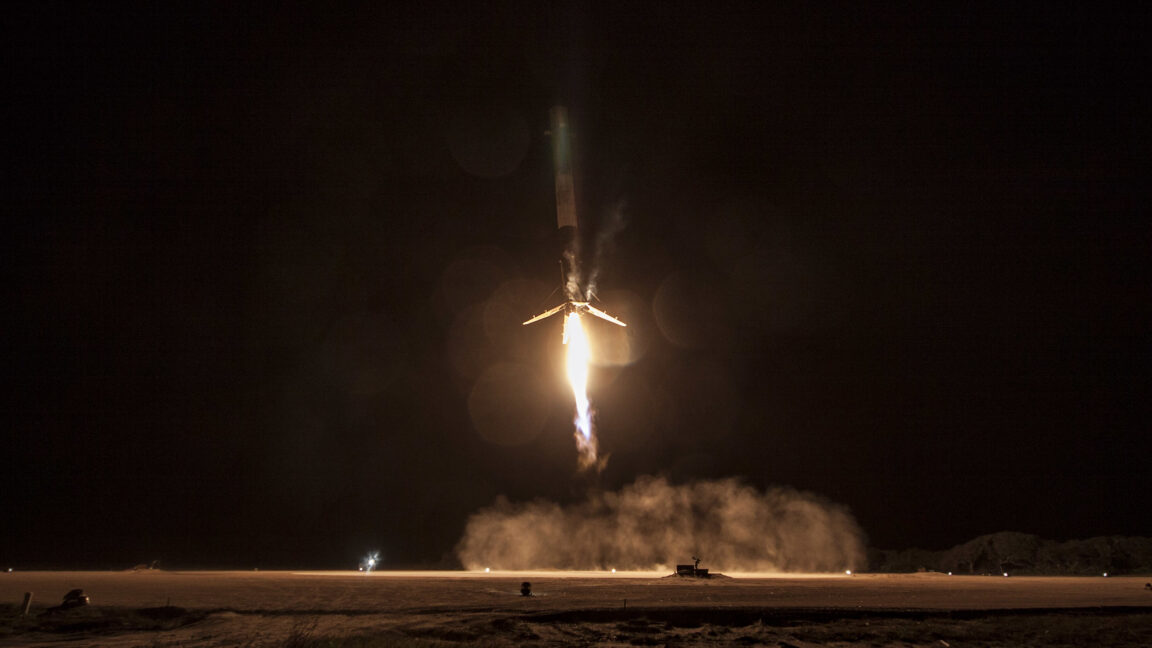
The primary factors behind lower orbital launch costs include larger rockets, higher launch speeds, and the reuse of launch vehicles. Reusable rockets can spread manufacturing and operational expenses across multiple missions, helping reduce the average cost of sending payloads into space.
Europe faces high costs from less scalable domestic rockets
Researchers warn that countries such as those in Europe that rely exclusively on domestic launch vehicles could face higher costs and slower growth in space-based operations, including large satellite constellations. This creates a difficult policy challenge for governments seeking both strategic independence and affordable access to orbit.
“Looking specifically at Europe, the continent is currently stuck between a rock and a hard place, forced to choose between continuing to rely on low-cost U.S. launch technologies or relying on expensive, less scalable domestic technologies to expand its strategic presence in space,” the authors write.
To remain competitive in the global space industry, spacefaring nations will need to develop more advanced and cost-effective launch systems. The United States currently leads the world in reusable launches, and nearly every new commercial rocket under development includes some form of reusability. Chinese companies are also working on reusable launch technology, while progress in Europe has been slower.
For example, the European Space Agency’s Themis program was created to demonstrate a small suborbital rocket hop. The first low-altitude hop test was originally scheduled for 2022, but the vehicle has yet to complete its initial flight test.
Source: arstechnica.com