


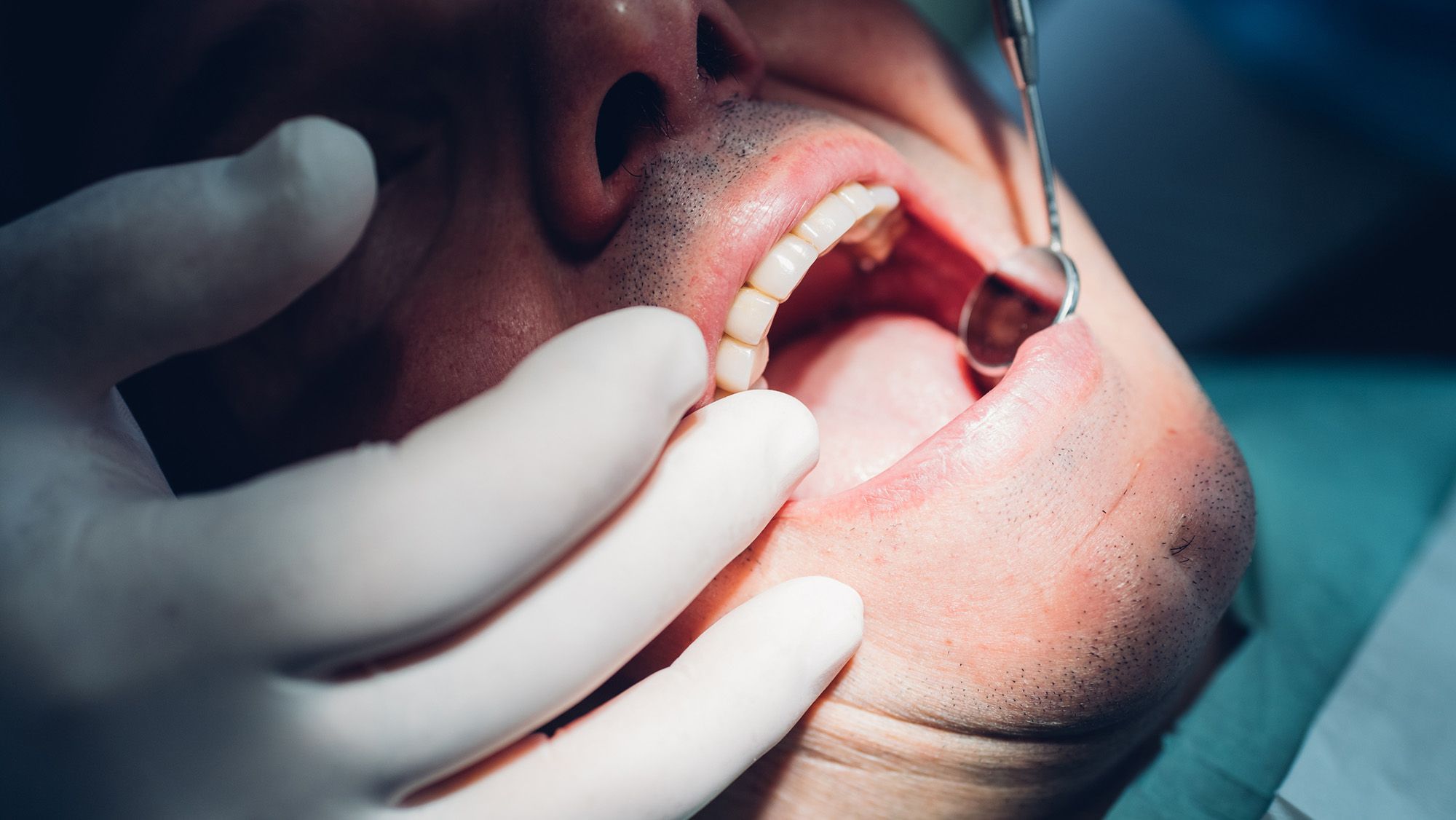
Preliminary research indicates a significant correlation between severe periodontal disease and the hardening of the heart’s aortic valve. This may elucidate the connection between oral health issues and heart health concerns.
Studies have consistently linked severe periodontal disease to systemic inflammation. Individuals with elevated heart disease risk, particularly coronary artery disease, are also at a higher risk of heart attack. Research shows that addressing periodontal disease can enhance vascular health.
Recent findings suggest that Porphyromonas gingivalis, a key bacterium involved in severe periodontal disease, may also play a role in calcific aortic valve disease (CAVD), characterized by calcium accumulation in the heart’s aortic valve. These findings were shared at a lecture during the American Heart Association Conference held in Boston, though the study is yet to undergo peer review.

Prof. Elena Aikawa, an expert at Harvard Medical School who did not participate in this research, commented that the findings align with current beliefs highlighting that calcific aortic valve disease is driven by active inflammation rather than merely wear and tear.
Though periodontal disease is not the sole contributor to CAVD, it is one of several potential causes. This research paves the way for a better understanding of the biological connection between oral health and cardiovascular health, possibly leading to innovative prevention strategies and treatments.
How Oral Bacteria Impact Heart Health
CAVD affects millions globally and currently, there are no approved therapies to halt its progression. As the condition deteriorates, symptoms like fatigue, shortness of breath, and chest pain may manifest, often necessitating valve replacement surgery.
Prior to this research, it was established that bacteria and inflammatory agents from the oral cavity can enter the bloodstream and affect remote tissues. Dr. Richard Lamont, chair of the Division of Oral Immunology and Infectious Diseases at the University of Louisville School of Dentistry, who was not part of this study, noted that these effects may gradually alter immune system function.
Discover the world’s most intriguing discoveries delivered directly to your inbox.

In CAVD, calcium accumulates in the aortic valve, which connects the left heart chamber to the aorta, delivering oxygen-rich blood to the body.
(Image credit: Noctiluxx via Getty Images)
P. gingivalis is notorious for damaging gum tissue and inducing inflammation, previously linked to cardiovascular disease. To explore its direct effects on heart health, researchers at Beijing’s Fuwai Hospital examined P. gingivalis in aortic valve tissues collected during valve replacement surgeries, comparing diseased tissues to non-calcified valves.
The findings revealed significantly higher levels of P. gingivalis DNA and bacterial proteins in calcified valves, with the bacterium showing up to thirty times greater presence in calcified valves than in their healthier counterparts, according to study lead author Dr. Chengyang Li.
In controlled studies, P. gingivalis was introduced into the bloodstream of healthy laboratory mice. This led to inflammation, calcium buildup, and narrowing of their aortic valves.
“The presence of calcification in the valves of mice without high cholesterol was unexpected,” Dr. Li remarked. “This indicates that P. gingivalis, aside from traditional cardiovascular risks, could contribute directly to valvular heart disease.”
Mice treated with antibiotics before the injections displayed reduced bacterial presence in their aortic valves, resulting in slower disease progression, while those injected with non-viable P. gingivalis showed no valve changes.
The changes in the hearts of the mice were attributed to interleukin-1 beta, a signaling molecule that aids in fighting infections. Exposure to P. gingivalis increased the production of this molecule, activating immune signals that transformed healthy valve cells into bone-like cells. This shift causes a calcium buildup in the surrounding valve tissue, which is characteristic of CAVD.
When interleukin-1 beta was blocked in some of the mice, valve calcification was substantially diminished, even with bacterial presence. Dr. Lamont reaffirmed the research supports the idea of a direct biological connection between periodontal disease and heart disease. However, he cautioned that human responses may differ due to the distinct characteristics of oral microbiomes in humans versus mice.
Remarkably, the same cellular patterns were noted in human valve cells grown in lab settings—exposure to P. gingivalis resulted in heightened intracellular inflammation and calcium accumulation, which were mitigated when interleukin-1 beta was inhibited.
Both Dr. Aikawa and Dr. Lamont emphasize that further research is essential to verify these findings in human subjects. This discovery opens new avenues for developing future treatments and raises intriguing questions about whether targeting inflammatory pathways like interleukin-1 beta might aid in slowing the advancement of this prevalent heart condition.
This article serves informational purposes only and is not a substitute for professional medical advice.
How well do you know the most active muscles in your body? Take our heart quiz to find out!
Source: www.livescience.com