


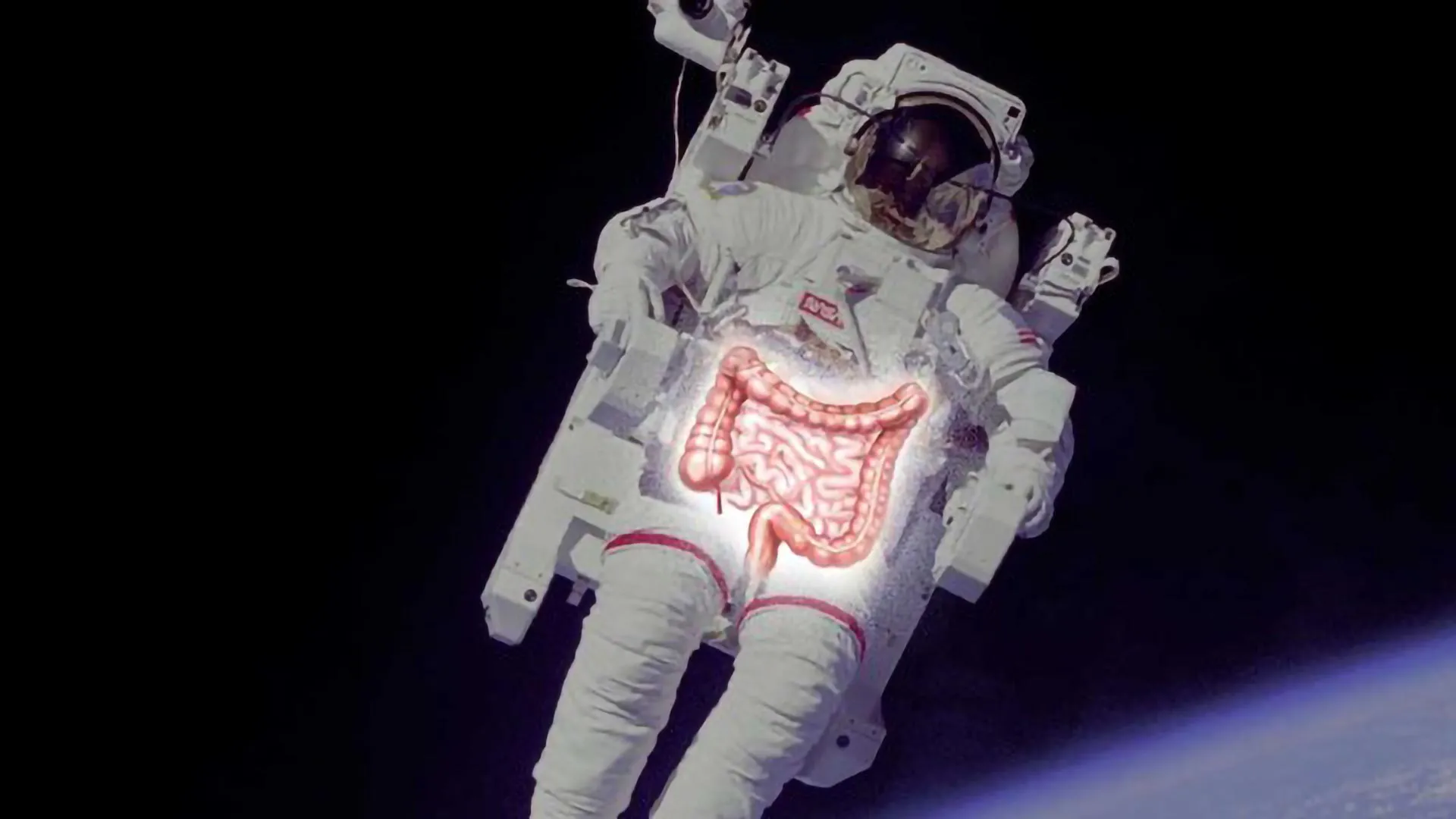
Why Astronauts Get Constipated in Space: Gut Bacteria May Hold the Answer
Constipation is a common problem for astronauts, but scientists have not fully understood why spending time in space interferes with normal digestion. New research suggests that microgravity may change the way gut bacteria process food, potentially contributing to constipation and other health effects.
A study from the University of Copenhagen, conducted in collaboration with NASA, analyzed blood samples from 52 astronauts who spent several months aboard the International Space Station. The researchers found signs that astronauts’ digestive systems begin changing relatively soon after they leave Earth.
Within a few weeks of arriving in space, the astronauts’ gut bacteria appeared to ferment proteins more extensively than usual. This shift continued until the astronauts returned to Earth.
“Changes in the astronauts’ blood samples show that within a few weeks of their arrival in space, their gut bacteria begin to ferment proteins to a greater extent than usual, and this change continues until they return to Earth,” says co-first author Giorgia La Barbera, associate professor in the Department of Nutrition, Exercise and Sport.
How microgravity may change gut bacteria
Protein fermentation occurs when bacteria in the gut break down protein instead of fiber because the available dietary fiber has already been used. This process is not unique to astronauts and can also occur in people on Earth.
Researchers believe microgravity may slow the movement of food through the digestive tract. When food remains in the intestine for longer, gut bacteria have more time to ferment proteins.
“Due to the absence of gravity in space, food probably moves more slowly through the intestines. This is consistent with the fact that we see signs of increased protein fermentation. This may also help explain constipation in astronauts,” says study co-author Henrik Rodger, associate professor in the Department of Nutrition, Exercise and Sport.
Gut changes may affect the brain
The discovery came from an analysis of metabolites in astronauts’ blood. Metabolites are small molecules that circulate through the bloodstream and provide clues about how the body is functioning.
By studying these molecules, researchers can learn about processes involving diet, metabolism and the gut. The findings may be important beyond digestion because changes in the gut can affect other parts of the body, including the brain.
“Protein fermentation products are often associated with negative health effects, including kidney damage, potential effects on mood, and decreased concentration,” says Lars Ove Dragsted, senior author of the study and professor in the Department of Nutrition, Exercise and Sport.
Why the findings matter for missions to Mars
The discovery could be especially important as space agencies prepare for long-term missions to the Moon and eventually Mars. Astronauts on these journeys could spend far more time away from Earth’s gravity than crews currently stationed on the International Space Station.
“When planning long-term space travel, for example to Mars, we may need to take measures to reduce the negative effects of space travel on the gut,” says Giorgia La Barbera.
Researchers say several approaches could help alleviate these digestive changes. Potential strategies include increasing dietary fiber, supplementing with prebiotics, or using other treatments that promote peristalsis and reduce intestinal transit time.
“Our findings can inform possible direct interventions by increasing dietary fiber, supplementing with prebiotics, or other types of treatments that promote peristalsis and reduce intestinal transit time. This would reduce protein fermentation, provide a healthy intestinal environment, and avoid negative health effects,” says Henrik Rodger.
Peristalsis refers to the coordinated muscle contractions that move food and waste through the digestive system. Supporting this movement could reduce the amount of time material remains in the intestines and lower the chance of excessive protein fermentation.
What the research could mean for patients on Earth
The findings could also have implications far beyond spaceflight. People who spend long periods confined to bed often experience constipation. Researchers suggest that slower intestinal movement in these patients may lead to similar changes in intestinal fermentation.
“We can use this knowledge to help bedridden patients, who also experience constipation and may also have increased fermentation of proteins, which can worsen their health status,” concludes Lars Ove Dragsted, senior author of the paper.
What is protein fermentation?
Protein fermentation occurs when gut bacteria begin breaking down proteins after they no longer have enough fiber available.
The process is more likely to occur when food remains in the intestines for an extended period, even if a person does not experience noticeable constipation.
When bacteria digest proteins, they produce various metabolites. These molecules enter the bloodstream and travel throughout the body.
Some metabolites may affect the brain through the gut-brain axis, a two-way communication system connecting the gastrointestinal tract and the brain. Previous research has linked metabolites produced during protein fermentation to brain effects such as anxiety and difficulty concentrating.
Why the astronaut data was unusually clear
Blood metabolite studies can be difficult to interpret because metabolism varies widely from person to person. The unusual nature of the astronaut data helped researchers overcome some of that variability and strengthened their confidence in the patterns they observed.
“The samples we analyzed were taken from a total of 52 different astronauts on different missions and over many years. This is very different from usual research methods. It is therefore very impressive that our method was able to show so clearly that protein fermentation is consistently more present,” says co-first author and assistant professor Jan Stanstrup.
How researchers studied digestion in space
The researchers investigated how human metabolism changes during spaceflight by measuring metabolites in astronauts’ blood.
The analysis showed that protein fermentation in the intestines increases when astronauts leave Earth and enter a microgravity environment. The blood samples also revealed small changes associated with fish and caffeine intake.
Rather than looking only for predetermined substances, the researchers used a non-targeted approach. This allowed them to analyze a wide range of metabolites in the blood and identify which ones changed during spaceflight.
The samples came from three studies conducted on the International Space Station. Even when only small amounts of blood were available, researchers were able to perform additional analyses and extract more scientific information from existing studies.
The collaboration between researchers at the University of Copenhagen and NASA also highlights the international scientific cooperation made possible by the International Space Station.
NASA researchers Sarah R. Zwart and Scott M. Smith contributed to the research. University of Copenhagen researchers Giorgia La Barbera, Jan Stanstrup, Henrik M. Rogger and Lars Ove Dragsted also contributed.
Source: www.sciencedaily.com