


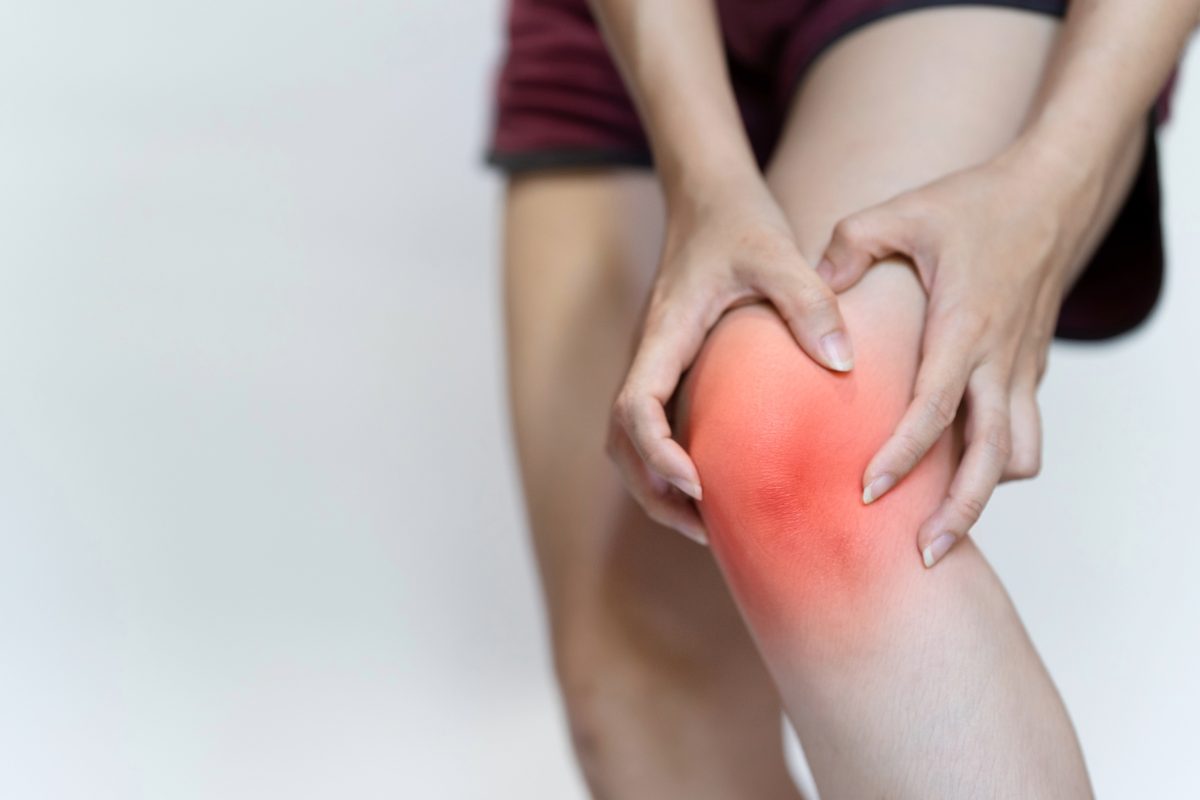
Atrophy can affect various parts of the body, but its impact is particularly pronounced on the knees over time. Why is that? The knees are intricate anatomical structures containing numerous moving parts that naturally degrade with use.
As we age, the muscles stabilizing the knee weaken, bone density declines, and cartilage cushioning the bones begins to degrade. Ligaments connecting bones and muscles also lose their elasticity.
Consequently, many experience stiffness, pain, reduced mobility, and those characteristic groans when standing up from the couch.
However, just like any machine, proper care can significantly improve knee health. It begins with identifying factors that increase the risk of knee injuries and osteoarthritis.
<
Key factors jeopardizing knee health include excess weight, improper footwear, and repetitive motions that exert stress on joints.
For instance, a 2021 study by French researchers found that Parkour athletes sustain an average of 1.7 knee or ankle injuries for every 1,000 hours of training.
While serious injuries may seem extreme, the long-term repercussions can accumulate over time. It’s essential to recognize that those not involved in high-risk activities can also be at risk.
A study focusing on elite dancers revealed that knee injuries, like meniscus tears, rank among the most prevalent injuries.
Movements that involve leg impact or rotational changes can put significant strain on the knees. A severe anterior cruciate ligament (ACL) injury can sideline a soccer player for up to a year.
Additionally, research indicates that 10 to 20 years post-injury, about half of those injured will develop osteoarthritis related to their original trauma.
There is ongoing discussion about whether running is beneficial or detrimental to knee health. Some suggest that road running may feel akin to striking the soles of your feet with a hammer for an hour.
In 2017, a study indicated there was no significant difference in the risk of knee osteoarthritis between runners and non-runners.
In fact, exercise, including weight-bearing activities, is believed to strengthen joints. A 2023 study found that individuals who engaged in strength training had a 20% lower risk of developing osteoarthritis compared to those who did not.
Strengthening muscles surrounding the knee, such as the quadriceps, is also crucial. Assuming you wear supportive shoes and maintain a regular exercise routine, recognizing mild discomfort in your knees is vital.
Small injuries can escalate into more serious, chronic conditions. If you experience pain, consider using a knee brace or opting for swimming.
Some research suggests that swimming, being non-weight bearing, can facilitate recovery from minor knee injuries and minimize the risk of long-lasting issues.
This article addresses the question posed by Thomas McPherson of Wakefield: “How can I take care of my knees as I get older?”
If you have any questions, feel free to reach out to us at: [email protected] or send us a message facebook, Twitteror Instagram page (please include your name and location).
Explore our ultimate fun facts and discover more fascinating science topics.
Read more:
Source: www.sciencefocus.com