


Narcissists possess a fragile self-esteem that hides behind their grandiose vanity and arrogance. They constantly seek external validation, showcasing a need for acknowledgment.
This behavior typically manifests in two primary ways: first, through relentless boasting to assert their importance and talent; second, during moments of perceived threat to their status, they resort to belittling others.
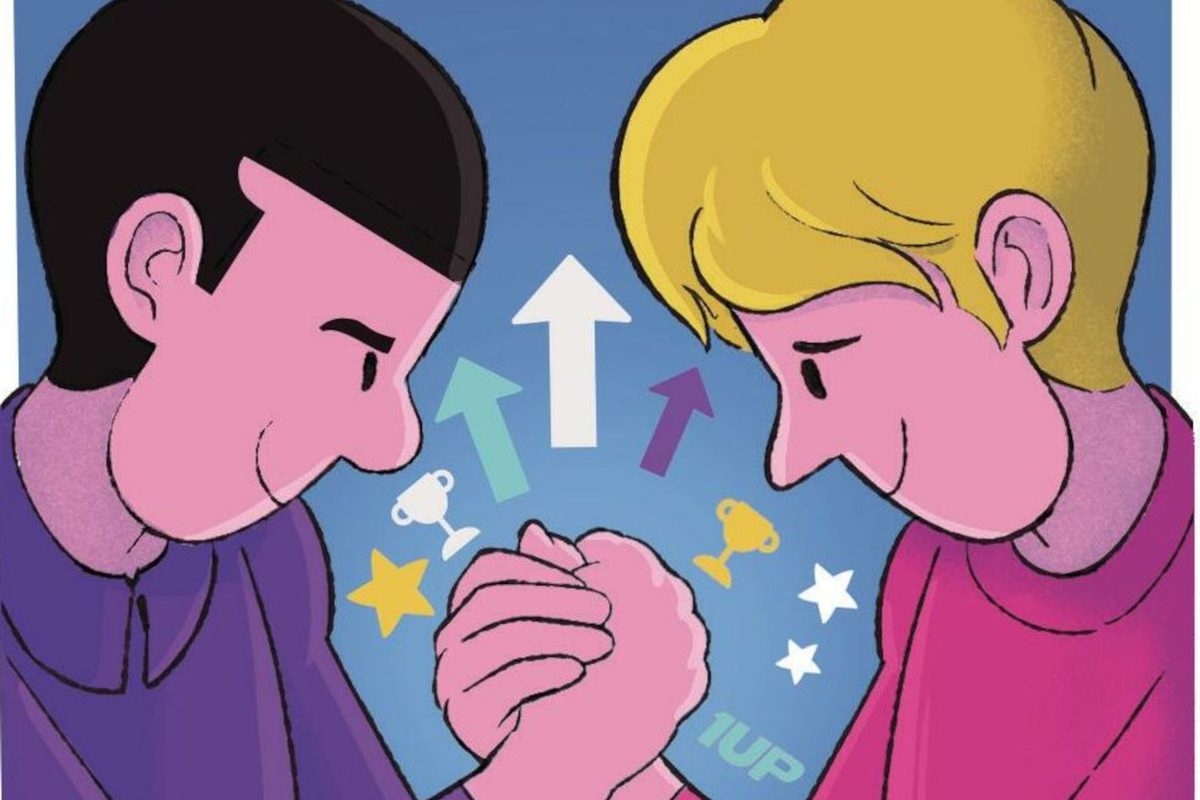
When two narcissists interact, this dynamic can become explosive, as neither can bear to be outshone.
The fireworks don’t ignite immediately; think of two well-known narcissists who started as close friends.
Initially, both narcissists may find validation in their relationship, exchanging boasts about their distinguished qualities.
When both individuals take each other’s claims at face value, they feel that being associated with a similarly confident person enhances their own status.
The challenge arises when one narcissist insults or undermines the other, triggering a downward spiral.
Psychologically, this behavior is explained by the spin model—an abbreviation for “status seeking in narcissism.”
This model suggests that narcissists are consumed with status and often inflate their egos through ostentation; however, when their status feels threatened, they resort to undermining others.
Research from the 1990s confirmed this behavior in lab settings, showing that when narcissists perceive criticism, they are more likely to retaliate against the source of that perceived criticism than non-narcissists.
Additionally, narcissists often prioritize their status over the maintenance of relationships. Thus, when two narcissists sense a challenge to their status, a fierce competition ensues.
Does this sound familiar?
This pattern is backed by various studies. One investigation focused on narcissists within a student team, revealing that conflict processes intensify over time, leading to increased discord.
Another study on couples found that when two individuals with narcissistic tendencies are paired, they may initially feel content, even if their relationship is relatively new.
However, those narcissists who stay together longer often report the lowest levels of relationship satisfaction among the couples studied.
If narcissists are part of your life and you aim to avoid conflict, consider making each feel that their status is elevated, rather than threatened, by the other.
This article responds to the inquiry (by Anna Olsen of Sunderland): “What occurs when a narcissist encounters another narcissist?”
If you have any questions, feel free to email us at:
[email protected] or message us on
Facebook
,
X
or
Instagram
Page (remember to include your name and location).
Discover more about our ultimate fun facts and explore more incredible science pages!
Read more:
Source: www.sciencefocus.com