


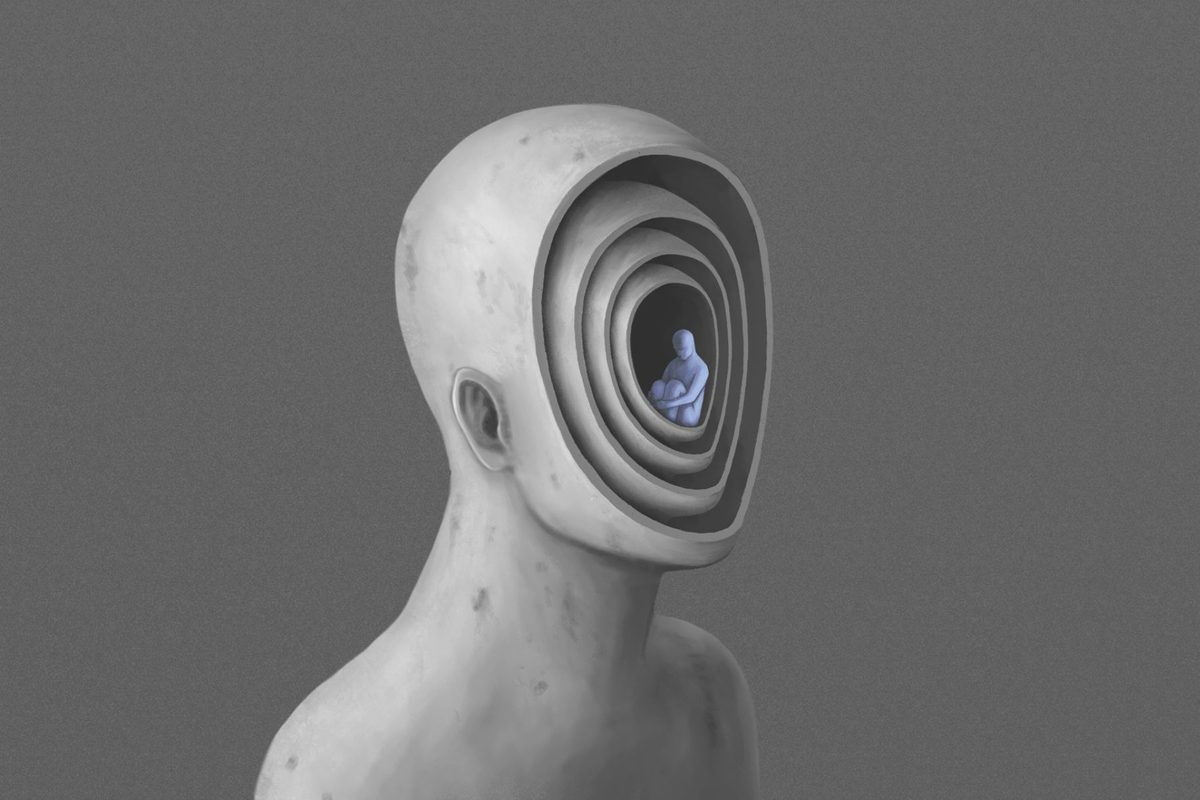
Living with a narcissist can make life challenging not only in the moment but also in how it can subtly alter your identity. Constantly navigating someone else’s ego for months or years can lead you to shrink back—silencing your opinions, minimizing your presence, and dismissing your need for attention.
This personality shift is known as echoism. Do you have a deep sense of empathy but shy away from being in the spotlight? Are you an attentive listener who struggles to articulate your own thoughts and feelings? If you grew up with a narcissist or are in a long-term relationship with one, you might be more affected than you realize.
In this case, the narcissist may have significantly influenced your personality without your awareness.
What is Echoism?
Echoists tend to consciously shun or downplay attention. While highly empathetic and perceptive of others’ emotions, they often grapple with self-criticism and low self-esteem.
Their hesitation to express thoughts and feelings usually stems from a profound fear of rejection or criticism.
As Dr. Craig Malkin, author of Rethinking Narcissism, states: “Echoists live by the mantra that taking up less space is preferable.”
The defining trait of an echoist is an overwhelming fear of being perceived as narcissistic—too selfish, greedy, or demanding, which leads them to avoid attention.
But where does the term echoism originate? It traces back to Greek mythology.
Echoism is derived from the nymph Echo, who fell in love with Narcissus, but was ultimately rejected because he could only repeat the last words he heard.
Thus, the term echoism symbolizes the loss of one’s voice and identity, much like the tale of Echo.
Is There a Connection Between Narcissism and Echoism?
Many echoists grow up with narcissistic parents or engage with narcissistic partners later in life. Living with a narcissist can be emotionally exhausting, as research indicates.
Dr. Malkin shares his own experience as a child echoist, recounting his fear that he might lose his mother unless he saw her display frequent tears or anger—an indication of the typical fear of rejection often found in echoists.
This anxiety can lead echoists to prefer relationships with narcissists, fearing that they might impose too much on others or appear needy. They find solace in partners who thrive on attention.
Interestingly, echoism can manifest in the absence of narcissism, particularly if an echoist has an echoist parent, where negative phrases like “don’t be bossy” or “don’t show off” can create a damaging sense of shame.
Being proud of one’s accomplishments is crucial for building the self-esteem often lacking in echoists, despite the negative perceptions of pride.
About Our Experts
Dr. Craig Malkin is a psychologist and Lecturer in Psychology at Harvard Medical School and the author of Rethinking Narcissism and The Narcissist Test.
This article answers the question posed by Talkie’s Helena Howard: “How has living with a narcissist affected me?”
If you have any questions, please reach out via: [email protected] or connect with us on Facebook, Twitter, or Instagram (including your name and location).
Explore more with our ultimate fun facts for amazing insights.
Read More:
Source: www.sciencefocus.com