


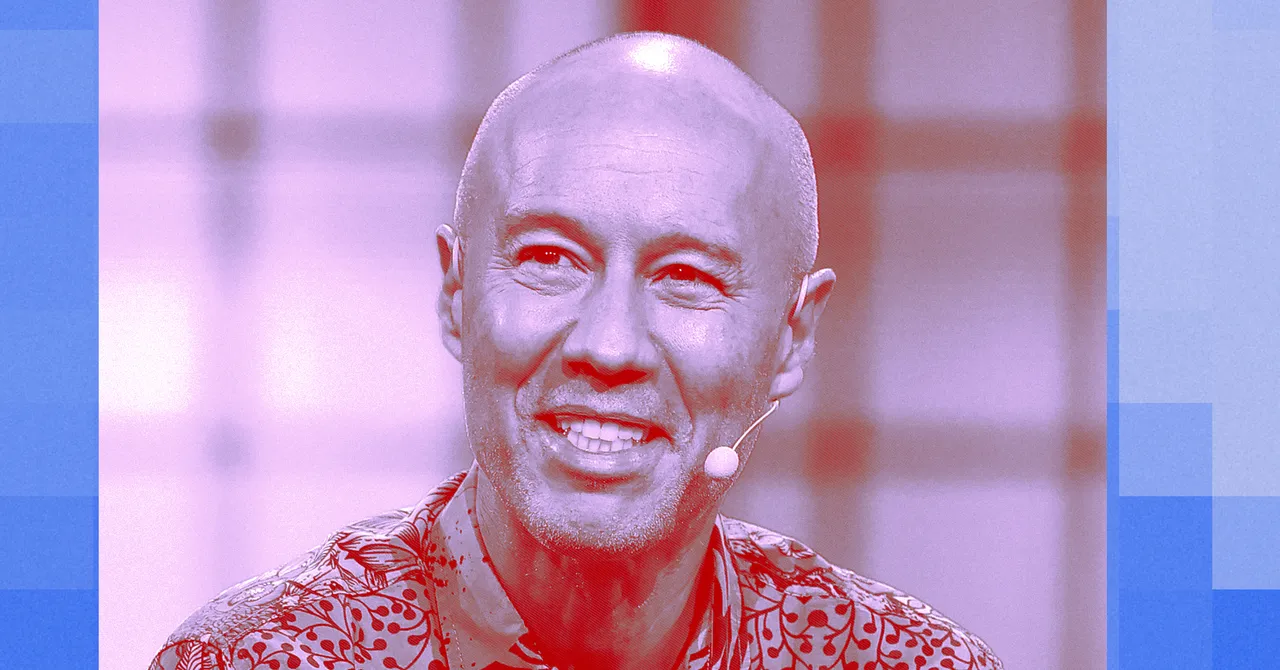
3 years ago Lyft faced significant challenges, with sluggish performance and a struggle to compete against Uber. In March 2023, the company appointed former Microsoft and Amazon executive David Risher as CEO, initiating a recovery strategy. Under Risher’s leadership, Lyft expanded its services internationally, formed partnerships with tech giants like Waymo and Nvidia, reduced ride cancellations, and improved driver compensation. This week, Lyft announced a new taxi option for customers in New York. Although Lyft has achieved profitability, it still trails behind Uber in the ride-sharing market, with its stock experiencing a decline this year. I recently had a conversation with Risher regarding Lyft’s future, his candid opinions on Uber, and plans to manage fleets of self-driving cars belonging to tech companies and private owners.
Stephen Levy: What stage are you at in the rebuilding process?
David Risher: When I joined, Lyft was losing market share, accounting for 26-27% compared to competitors, while incurring $300 million in losses annually. My experience from Jeff Bezos’ school emphasized customer obsession. We strategically adjusted our costs each quarter to reduce prices, increased driver rates to enhance satisfaction and service quality, and prioritized innovation. As a result, we are now profitable, experiencing the highest driver satisfaction ever, and have boosted our market share to approximately 31%.
But your stock continues to decline.
Investors appreciate our consistent growth, but they also acknowledge the industry’s uncertainties.
31% market share is still significantly behind. I recently read a headline: Is OpenAI on its way to becoming Lyft? What would it take to eliminate such headlines?
Such assumptions may be misguided. We facilitate 1 billion rides annually in North America while competitors likely handle two billion. [Uber’s global number is around 14 billion rides per year.] Collectively, our industry accounts for 3 billion rides, but personal vehicles account for a massive 160 billion rides each year, indicating substantial growth potential.
Our recent market share growth is attributed to superior service. We typically achieve faster pick-ups, resulting in fewer driver cancellations. Our upcoming initiative, “Save Money and Check out Lyft,” emphasizes the financial benefits of comparing services. If riders consistently compare options, we could easily capture over 50% of the market. I guarantee it.
Yesterday, my son was stranded on a train and needed a ride to a nearby station. Uber quoted $70 while Lyft’s fare was $130.
We strive for more wins than losses, continuously analyzing our algorithms and data to ensure accuracy.
Many drivers from both Uber and Lyft claim that the companies take too large of a cut. Is this complaint valid?
In short, “no.” While early in the industry there were significant driver subsidies that some still reminisce about, post-insurance earnings rarely exceed 30% of the premium.
Source: www.wired.com