


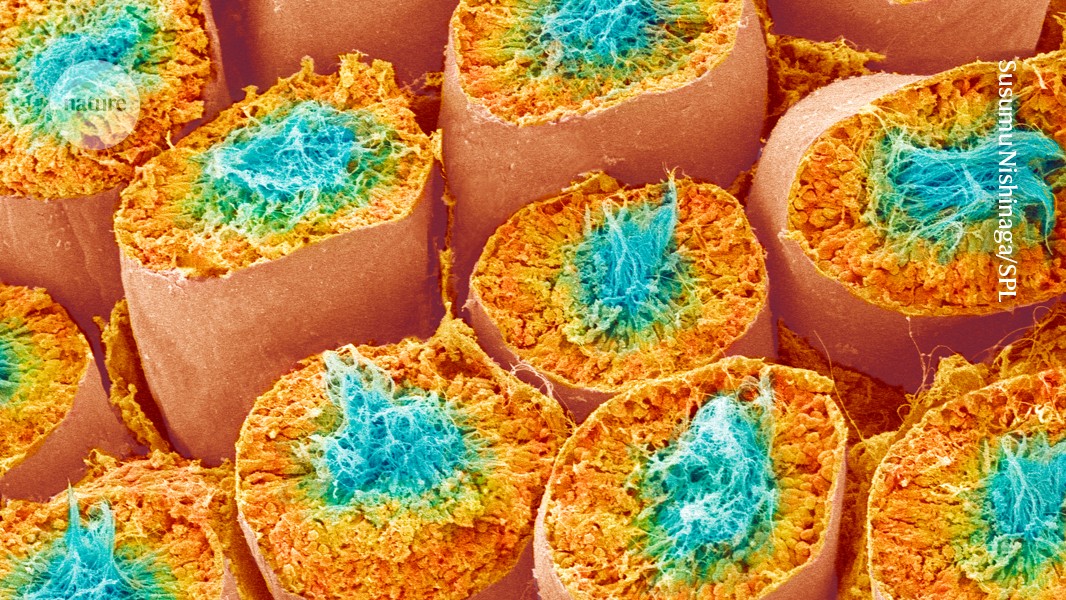
The image illustrates developing sperm cells (blue) nestled within the orange seminiferous tubules of the human testes.
Credit: Susumu Nishinaga/Science Photo Library
Innovative surgery has successfully reinstated a man’s ability to produce sperm by transplanting a frozen tissue sample taken from one of his testicles 16 years earlier, when he was a young boy. Researchers believe this groundbreaking outcome could pave the way for advanced fertility treatments.
The tissue samples were preserved just before the boy commenced chemotherapy, which posed a threat to his fertility. “This is a significant breakthrough,” states Rod Mitchell, a pediatric endocrinologist from the University of Edinburgh, UK, who was not part of the study. “This offers hope to prepubescent boys undergoing chemotherapy or radiation therapy that could impact their fertility in the future.”
The findings were showcased at the recent annual meeting of the European Society of Human Reproduction and Embryology held in London and were also released as an unpeer-reviewed preprint.1 on bioRxiv earlier this year.
Looking Toward the Future
As survival rates for children battling cancer improve, the long-term effects of aggressive treatments, including fertility loss, are gaining attention. Between 2002 and 2022, over 3,000 boys across 16 centers in Europe, Australia, and the United States opted to freeze testicular samples in hopes of restoring their ability to father children should they become infertile.2 However, clinicians previously could not assure young patients or their families of the efficacy of such treatments, Mitchell noted.
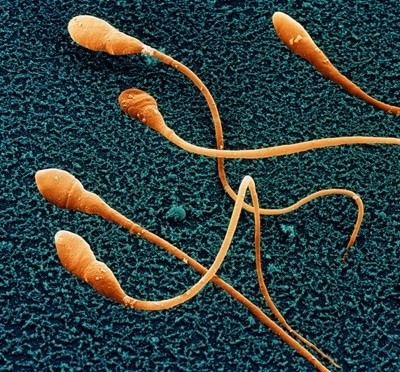
Lab-grown sperm: Scientists inch closer to groundbreaking fertility advancements
In a 2008 case, doctors at a university hospital in Brussels preserved a testicle from a 10-year-old boy, who later underwent chemotherapy to treat sickle cell disease.
More than a decade later, he returned as an adult with aspirations of becoming a parent. After two years of observation and finding that he couldn’t produce normal sperm independently, clinicians transplanted 11 tissue fragments, which had been frozen for 16 years, beneath the skin of his remaining testicle or scrotum.
The grafts were nurtured for a year under conditions simulating those found in adult males, which included exposure to hormones and environmental factors. A biopsy was later performed on the tissue.
Encouragingly, the research team identified signs of sperm-producing stem cells and evidence of sperm generation in some of the grafts. Notably, a single mature sperm was discovered within one of the implanted samples.
At this stage, the researchers ceased their analysis to preserve the remaining graft for potential future use in sperm collection and in vitro fertilization. Ellen Goossens, a reproductive biologist at the Free University of Brussels and co-author of the study, expressed optimism about future applications of this research.
Future Father?
Source: www.nature.com