


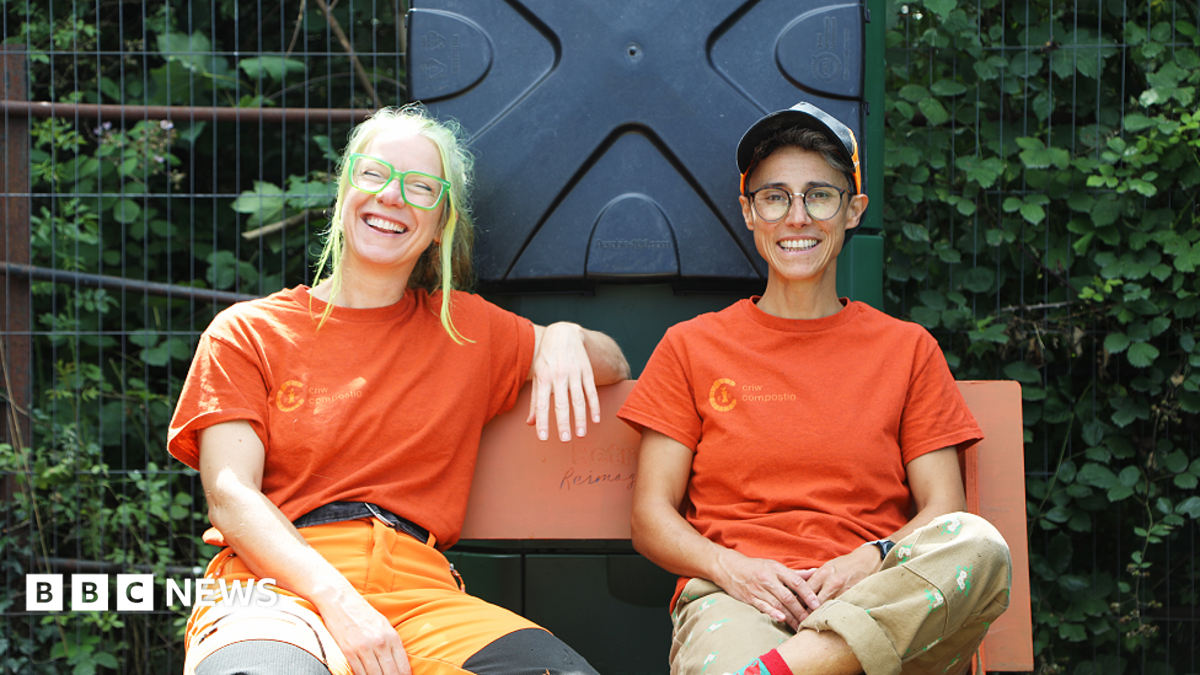
Criw Compostio not only specializes in waste management but also collects wood chips from carpentry jobs, along with used rabbit and guinea pig bedding from pet owners, twice a week.
This collected material is then transported a very short distance to a machine-less processing facility equipped with cutting-edge composting technology.
According to Steph, the facility features high-temperature, rat-proof hypercomposters that rapidly transform waste into compost that is less appealing to pests.
The composting process takes approximately a year, and Steph proudly mentions that the compost recently won an award for its exceptional quality.
Local producers utilize this high-quality compost to grow food, which is then served at nearby cafes. The waste generated returns to us for further composting, creating a sustainable resource loop.
Our operating framework emphasizes local engagement; we don’t sell via platforms like eBay or Amazon, focusing instead on contributing to the local community.
In Powys, as in other counties in Wales, food waste collection is mandatory for households, not just businesses, as enforced by Powys City Council.
Additionally, Criw Compostio offers educational sessions for households eager to enhance their home composting methods or improve farm composting practices.
Most compost users thrive in “machineless markets,” supplying local natural food stores and directly selling to local restaurants.
Mr. Steph notes that the current cost of living crisis has spurred interest among individuals wanting to grow their own food, with farms becoming valuable assets in the area.
“It’s fascinating how productive a small garden can be,” says ffin.
Source: www.bbc.co.uk