


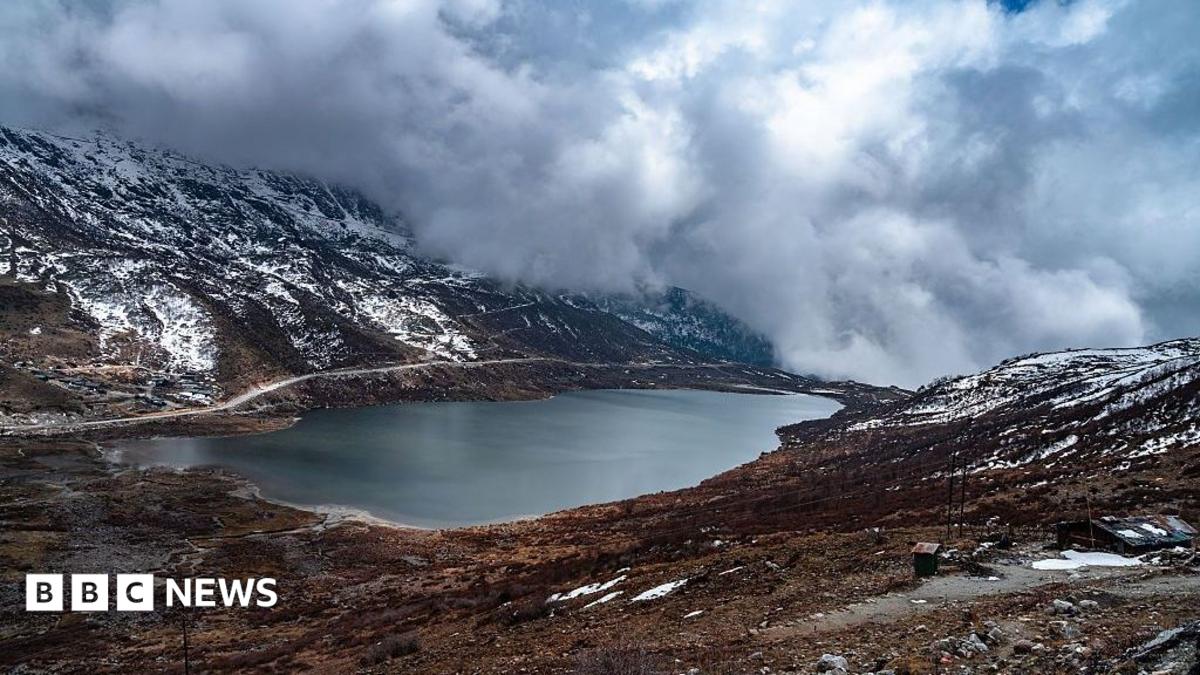
The Himalayas are a critical national and international infrastructure system, but the ecosystems that support millions of people are approaching a tipping point, experts warn.
Rapid Himalayan glacier decline is being driven by both global climate change and regional pollution. Systemiq research estimates that black carbon, or soot, causes around one-third of glacier melting in the Himalayas. Much of this pollution comes from brick kilns across the plains.
When black carbon settles on snow and ice, it absorbs sunlight, increases surface temperatures and accelerates glacier melt. Unlike global greenhouse gas emissions, black carbon pollution can be reduced through direct action by India and neighboring countries.
“The Himalayas are nearing a tipping point, putting millions of lives and livelihoods at risk,” said Arushi Chopra, senior director and lead author at Systemiq. “Glaciers are melting faster than they were 10 years ago.”
A new report recommends 10 priorities to protect Himalayan communities, including cutting black carbon emissions, expanding glacier monitoring, improving disaster early warning systems and creating more sustainable mountain tourism.
Strengthening disaster preparedness is another key recommendation. Governments should agree in advance on emergency measures, including evacuations and plans to protect vulnerable infrastructure from floods, landslides and other climate-related hazards.
Researchers also say tourism in the Indian Himalayas must be reconsidered. The region receives around 400 million tourists each year, according to the report. Rather than focusing only on increasing visitor numbers, policymakers are being urged to create tourism models that generate lasting value for local communities and reinvest revenue in mountain resilience.
ICIMOD Executive Director Pema Gyamsho said the risks facing the Himalayan region are becoming increasingly complex.
“Glaciers are retreating, permafrost and alpine slopes are becoming increasingly unstable, and downstream communities and infrastructure face increased risks from complex and cascading disasters,” he said.
These threats cross national borders and cannot be managed by one country alone. Himalayan nations must strengthen cross-border monitoring, share climate and disaster-risk information, improve early warning systems and invest jointly in resilience.
Coordinated action is essential not only to save lives, but also to protect the livelihoods, infrastructure and economies of hundreds of millions of people who depend on the Himalayas.
Source: www.bbc.co.uk