


The legal basis for the recent lawsuit is broad and does not pertain to a single industry. According to Foley & Lardner attorneys Eric Swanholt and Kelsey Boehm, “Plaintiffs are initiating class action lawsuits against companies in various sectors, including food manufacturing and logistics. Despite differing allegations, the underlying legal principle remains consistent: companies cannot transfer tariff costs to consumers and cannot deny government reimbursements for those tariffs.”
Furthermore, Holland & Knight attorneys highlighted a legal warning, stating that “companies that pass tariff costs onto consumers and seek government refunds could face litigation.”
Nintendo Pushes for Arbitration
The lawsuit is still in its initial phases, and no court has yet ruled on the fundamental legal theory, according to the Holland & Knight attorneys. Companies may have various defenses, such as asserting that unjust enrichment cannot be claimed if a written contract exists between the parties.
“In numerous jurisdictions, claims of unjust enrichment are not valid when an express contract regulates the relationship between the parties,” wrote Holland & Knight partners Ashley Akers and Austin Rainwater.
Additionally, companies might argue that “the challenged charges were incurred while the IEEPA tariffs were legally enforced,” as outlined in the Holland & Knight Alert. “This perspective indicates that a later Supreme Court ruling to invalidate a tariff doesn’t automatically render earlier fees collected as illegal, nor does it create a retroactive duty to refund previously paid amounts.”
While the lawsuit against Nintendo does not claim a breach of contract, the Holland & Knight Alert indicated that several tariff-related lawsuits do make such allegations. “This becomes a significant point in numerous shipping and logistics cases, where plaintiffs assert that customs-related surcharges were not permitted under existing shipping agreements, terms of use, and tariffs,” the law firm noted.
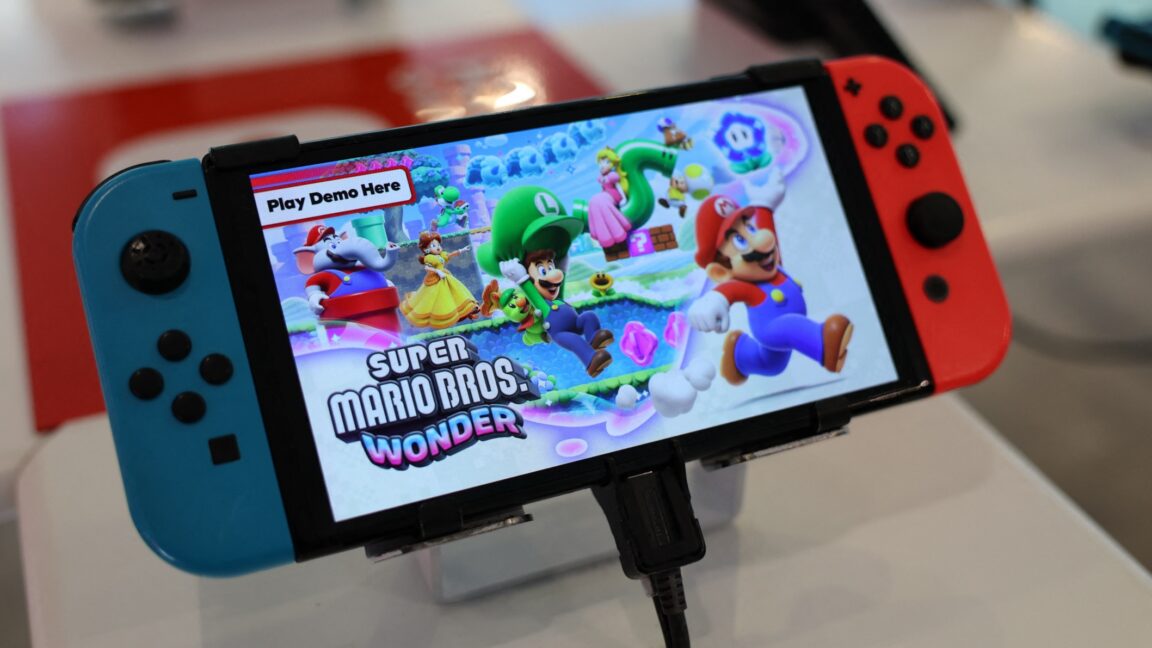
Companies are expected to request that courts enforce mandatory arbitration clauses found in their contracts, a step Nintendo has already taken. In a submitted motion, Nintendo moved to compel arbitration with Mr. Hoffert, citing evidence that he “affirmatively accepted contract terms with Nintendo on at least two occasions.” The company added, “Should discovery indicate that Mr. Sharan’s claims are subject to arbitration, we reserve the right to compel those claims accordingly.”
Source: arstechnica.com