


Despite humanity’s relatively short existence—merely 0.01% of Earth’s extensive history—we have drastically transformed stable natural landscapes and processes over millions of years. Recent research by a team from the University of Glasgow examines the rapid changes seen in Britain’s once-sandy beaches.
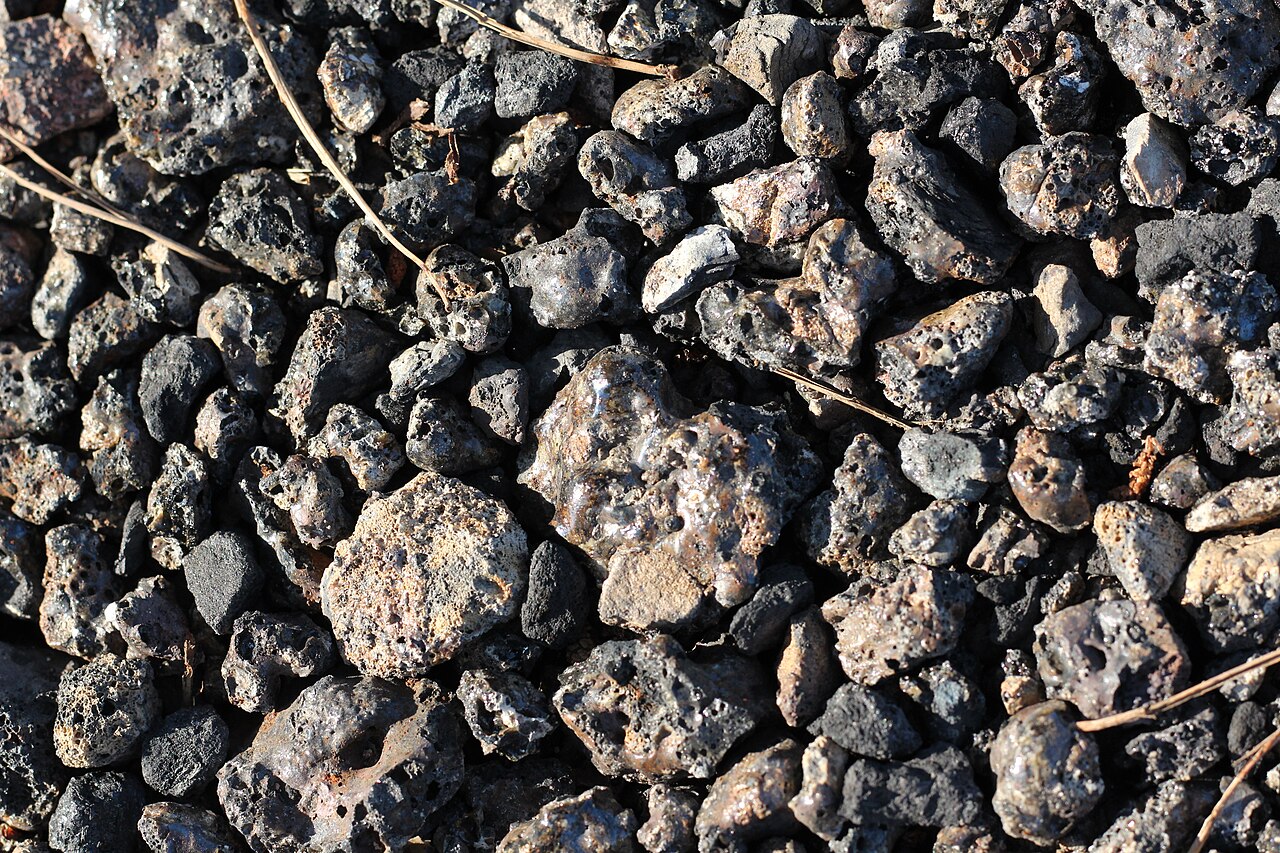
From 1856 to the 1980s, Britain’s industrial steel and iron furnaces operated extensively, resulting in approximately 335 million cubic meters (90 billion gallons) of melting furnace waste. Workers disposed of this waste, known as slag, across the country. Notably, around 27 million cubic meters (6 million gallons) of this waste has solidified into a 30-meter (100-foot) high cliff along the coast of Derwent Howe.
The research team conducted an analysis of this area to assess the effects of artificial materials on the formation of rocks. Typically, rocks undergo a slow transformation into various types over millions of years through a process called lithification, part of the rock cycle. The discovery of a 1989 soda can tab embedded within the hardened crust linked to slag indicated that the beach’s solidification occurred within the last 35 years. This prompted the introduction of the term human crushing cycle to describe rocks formed from anthropogenic deposits.
In their study, researchers collected 1,300 grains of sediment from 13 locations within the area, revealing that 83% of the material was slag. In contrast, natural deposits like silica sand comprised about 17% of the total particles. The relentless action of wind and ocean waves caused fragments of slag to flake off and be transported onto the beach.
Additional evidence of slag seepage into underlying wet sediments was observed at the shore boundary. The rocks in this zone resembled a unique type of rock, known as peperite, formed when lava flows over wet sediments. The researchers concluded that this peperite-like rock arose when molten slag coated a static beach, creating a unique appearance of slag encased in sandstone.
The team also meticulously examined the arrangement of slag particles within the solidified rock to reconstruct the tidal water speed at various historical moments along the coast. This arrangement of sediments, known as sediment, signifies the processes involved in rock formation. For instance, the flow of water over sand creates small ripples resembling sand dunes, which are preserved as features called “sand ripples” or trough cross-beds.
As water velocity increases, these ripples diminish, giving way to horizontal layering in the sediment, known as flat layers. Both trough cross-bedding and planar bedding were observed in the rocks at Slugby Beach, indicating a rapid transition from loose sediment to rock at Derwent Howe.
To unveil the reasons behind this swift solidification, the researchers utilized a scanning electron microscope (SEM) coupled with energy-dispersive X-rays (EDX) to analyze the rocky surface. EDX technology enabled the identification of unique X-ray emissions from each chemical element, allowing the team to compare these against a database of known mineral signatures. The main mineral binders identified were calcium- and iron-rich compounds such as calcite, goethite, and brucite, collectively known as cement, since they bind sediment particles together.
The researchers anticipated that the slag composition would create these cement minerals because the extraction of metal ores produces slag loaded with calcium, magnesium, manganese, and iron—elements known to be soluble in water. When the water between dense slag particles reaches saturation, these elements precipitate as solid mineral cement, accelerating formation rates at slag-rich sites compared to lower concentration environments.
The team suggested that the anthropogenic rock cycles witnessed at Derwent Howe are not isolated occurrences. Given that slag contains essential elements for rock formation upon contact with seawater and air, similar deposits worldwide can swiftly influence local environments. Accordingly, the research team recommended updating geological models to integrate human impacts on natural rock cycles.
Post views:
100
Source: sciworthy.com