


Salad is synonymous with healthy eating. However, the United States is currently facing a serious outbreak of cysticercosis, affecting over 7,100 individuals in Michigan alone. This crisis is likely linked to iceberg lettuce sourced from Taylor Farms.
Leafy greens frequently appear in food poisoning cases. In 2022, there was a significant outbreak of Escherichia coli associated with romaine lettuce served in Wendy’s sandwiches, alongside 173 norovirus cases tied to Illinois’s DC Cobb’s restaurant. In 2021, Bright Farms recalled packaged salad greens after 31 reported salmonella infections. A similar incident in 2019 saw 167 people infected with Escherichia coli after consuming romaine from California’s Salinas Valley. Notably, in 2020, Fresh Express salad kits were implicated in over 700 Cyclospora cases.
The Centers for Disease Control and Prevention estimates that nearly half of all reported foodborne illnesses stem from agricultural products, with leafy vegetables being the primary culprits. So, why is lettuce the leading cause of foodborne illness in America?
One of the main reasons is its widespread consumption. Lettuce ranks as the second most consumed vegetable in the U.S., following potatoes. This popularity ensures that lettuce is a staple in wraps, subs, tacos, and fast-food sandwiches. Salad chains are also prevalent across the nation, with grocery store coolers stocked with salad kits and fresh heads of iceberg lettuce.
Ready-to-eat salads and mixed greens present a substantial risk due to their inclusion of various leafy greens from multiple farms. If one type becomes contaminated, the entire batch can be compromised. The packaging of contaminated lettuce in bulk bagged salads can facilitate the spread of harmful bacteria.
The cultivation methods of lettuce can also introduce various pathogens. A 2025 study from Cornell University identified that significant contamination during the romaine outbreak was due to using untreated surface water for overhead irrigation. While alternative irrigation methods could mitigate these risks, implementing them requires considerable changes and downtime.
Lettuce’s appealing crunch also makes it vulnerable to pathogens. Once served raw, there’s no opportunity to eliminate any lingering contaminants through cooking. Like other raw produce, leafy greens do not undergo sterilization treatments such as heating or pasteurization, which are crucial for removing pathogens in the food processing arena.
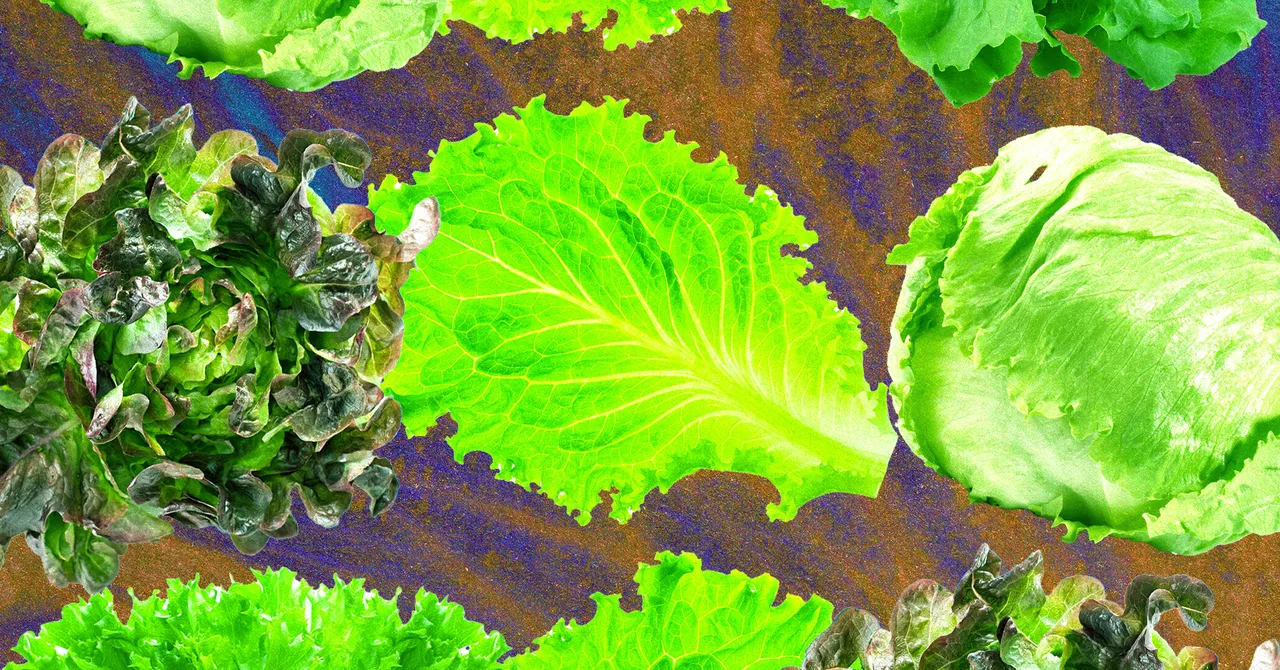
The structure of lettuce further aids in the spread of disease. “Many lettuce varieties have numerous crevices and folds,” remarks Gene Marazzo, CEO of the Infectious Diseases Society of America. “These tiny pathogens can easily infiltrate those areas.”
Even manufacturing pre-washing processes may fail to remove firmly attached microorganisms from the leaves. Cyclospora, in particular, is resistant to most food disinfectants due to its thick outer wall. Experts suggest that vigorous washing and scrubbing are the most effective ways to eliminate cyclospora.
“If these products are not thoroughly washed, there’s a risk of ingesting whatever contaminants are on the lettuce,” warns Amira Ross, an epidemiologist at George Mason University.
Source: www.wired.com