


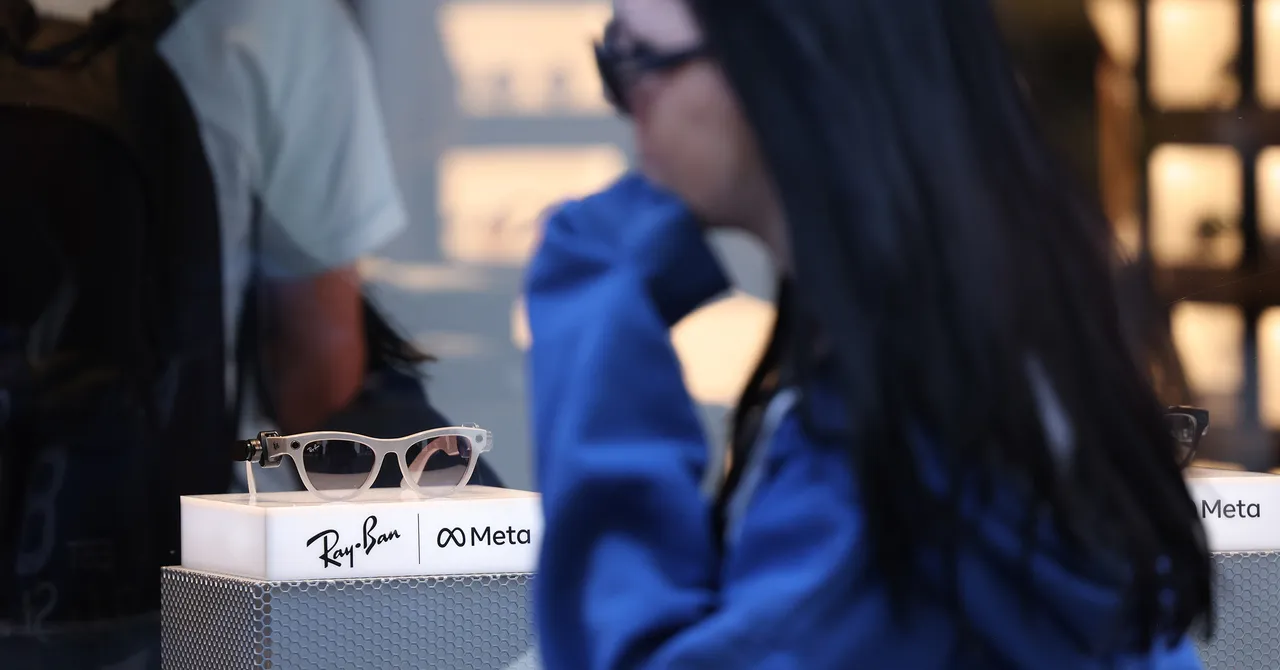
Face computers, including smart glasses, are gaining momentum as companies of all sizes compete for a share of the rapidly expanding wearable technology market.
However, the growth of smart glasses has also sparked widespread privacy concerns. Critics warn that camera-equipped glasses could be misused to secretly photograph or record people without their knowledge or consent.
Meta, the market’s biggest player, has faced much of the scrutiny. Its smart glasses can capture photos, audio, and video of the people and surroundings visible to the wearer. While the glasses include an indicator light intended to alert bystanders when recording is active, some users have discovered ways to bypass or disable the safety feature. Meta has since introduced anti-tamper protections designed to deactivate the glasses if they have been modified.
Concerns about smart-glasses privacy have continued to grow. Earlier this year, Meta added code for a potential face-recognition feature that could identify people wearing the glasses. After a WIRED investigation revealed the feature, Meta removed the code from its app. Meta CTO Andrew Bosworth later confirmed the existence of the tool, known as Name Tag, during an appearance on The Atlantic’s podcast The Most Interesting Thing in AI.
At an event in June, Meta also said it was considering camera-free smart glasses as part of its future product lineup.
The debate over privacy and wearable cameras is likely to intensify as more major technology companies enter the smart-glasses market. Google and Samsung are expected to launch products later this year, while Apple is reportedly developing smart glasses that could arrive in 2027. Apple has reportedly delayed production while addressing privacy-related challenges.
Despite concerns about surveillance and data collection, many consumers are embracing smart glasses. Meta has sold tens of millions of pairs, and its smart glasses are selling better than ever despite ongoing criticism from privacy advocates and consumers.
Users have found practical applications for smart glasses, from taking quick photos to recording hands-free, GoPro-style videos while mountain biking. Artificial intelligence also enables important accessibility features, including real-time captions for conversations. Meta’s partnership with Be My Eyes allows people who are blind or visually impaired to use the glasses’ camera to receive assistance and better navigate the world around them.
Smaller manufacturers are also targeting consumers who want privacy-focused alternatives to Meta’s products. Even Realities, for example, sells smart glasses without built-in cameras. Other brands, including the latest Solos frames, offer physical privacy shields that users can place over the camera lenses in sensitive locations or situations.
“The fact that it’s even a discussion point is really great for the industry,” says Matt Margolis, vice president of business development at Vuzix, an enterprise optics manufacturer. “If it didn’t matter, it wouldn’t be a point of focus, which means we’re really close to having critical mass of products into the market.”
Source: www.wired.com