


Meta’s Cute Muse AI Mascot Raises Questions About Adult AI Tools and Children’s Appeal
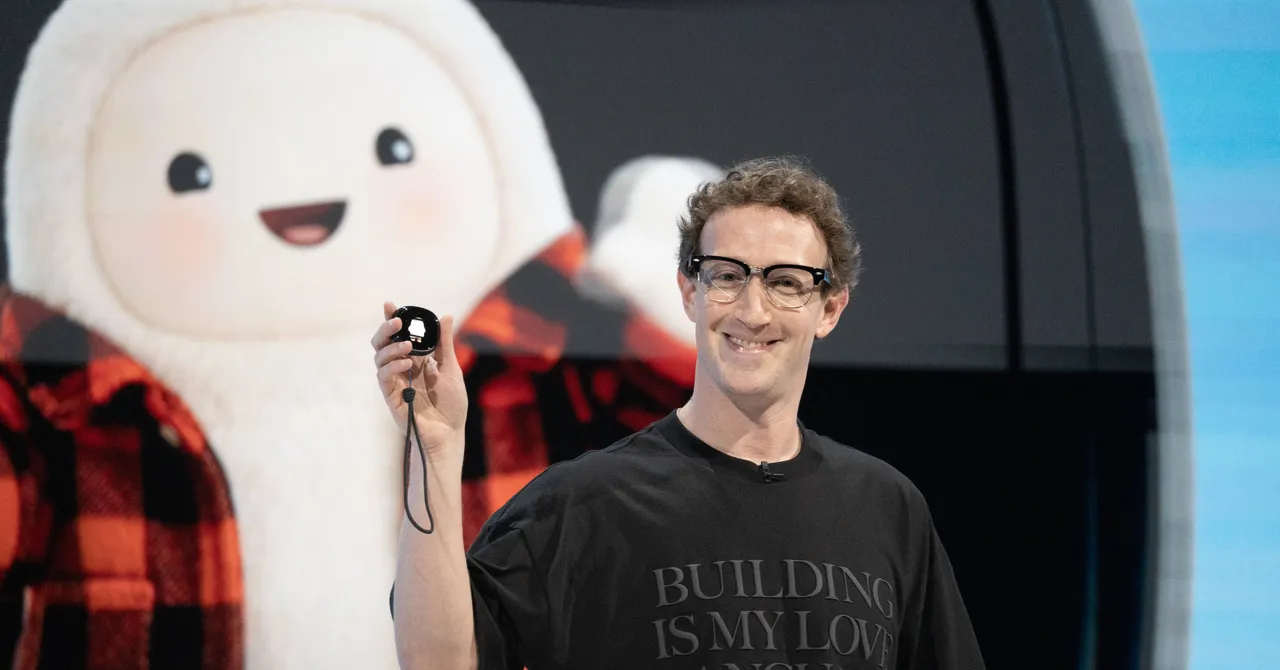
Meet Jolie, the Muse mascot. Jolie is a cute, cuddly representation of Meta’s AI agents—characters users can dress up like dolls. At Meta’s recent Meta Connect event, CEO Mark Zuckerberg’s furry Muse wore a toga and laurel wreath. In an Instagram ad, the mascot appeared in exercise gear and claimed it could help users reach their fitness goals.
Later this year, Meta plans to introduce a Tamagotchi-style device for Muse characters. The playful branding is clearly intentional—but it has also raised questions about why an AI product designed for adults looks so much like a children’s toy.
Why Meta’s Muse mascot is attracting attention
Muse’s ability to complete digital tasks helped propel it to the top of the app charts, but its lab-adjacent mascot has captured the cultural zeitgeist. Meta’s chief AI officer, Alexandr Wang, has recently posted a series of Jolie memes, including one depicting the character in a suggestive situation.
What remains baffling to some observers is that Muse is restricted to users aged 18 and older, despite its carefully designed children’s-toy aesthetic.
“This is a story looking for a story,” Meta spokesperson Daniel Roberts told WIRED. “We want people to be able to create their own avatars with personality and unique style, because it’s fun and brings joy.”
Roberts said everyone who uses the Muse app must enter a date of birth. Meta blocks anyone it detects may be under 18 from creating an account and uses additional checks to verify that users who claim to be adults are actually over 18.
Meta says the cute design makes AI feel less awkward
Mona Sarantakos, vice president of product management at Meta Superintelligence Labs, said Muse’s design process emphasizes fun. The goal is to make interactions feel less awkward than speaking with “a corporate logo or an entity,” according to a Meta blog post she co-wrote before and after Muse’s release.
The approach has drawn criticism from youth advocates. “Wow, it’s like a Teletubby,” said Josh Golin, executive director of Fairplay, a nonprofit organization that has previously worked to prevent technology companies from targeting children.
“This is a character that clearly appeals to young children,” Golin said. “Those who study children’s media understand that that round shape especially appeals to preschoolers.”
Can a cute mascot make AI seem safer?
Jolie’s appeal extends beyond children. A 32-year-old San Francisco man is also drawn to the adorable Muse aesthetic. The branding could be disarming for people of all ages, particularly as public concern about Meta and generative AI continues to grow.
“This cuteness factor can make the product look warmer and less threatening,” said Julian de Freitas, an associate professor of marketing at Harvard University who focuses on AI companions.
“There is a high hurdle to overcome here, as attitudes towards Meta are very negative after the social addiction ruling.” In August, Meta settled a social media addiction lawsuit, agreeing to add restrictions to Instagram and Facebook for teens and pay up to $16.7 billion.
Meta’s AI mascot follows a long tradition of anthropomorphic technology
Some experts compared Muse’s mascot with Japan’s long history of using adorable characters to market technology. Others were less convinced that Meta’s design was specifically intended to appeal to children.
Meta’s approach is not unique. From Microsoft’s chirpy Clippy to the recent red-shelled OpenClaw lobster, AI assistants and technology products often rely on anthropomorphic characters to make software feel more familiar and approachable.
Muse’s cute design could obscure privacy concerns
Regardless of age, a cute creature representing an AI tool may make users feel comfortable enough to overlook potential privacy risks. For example, Meta trains an AI model using people’s Muse interactions unless they opt out.
Source: www.wired.com