


Bovine tuberculosis (bTB) is having a serious emotional and financial impact on farmers across Northern Ireland.
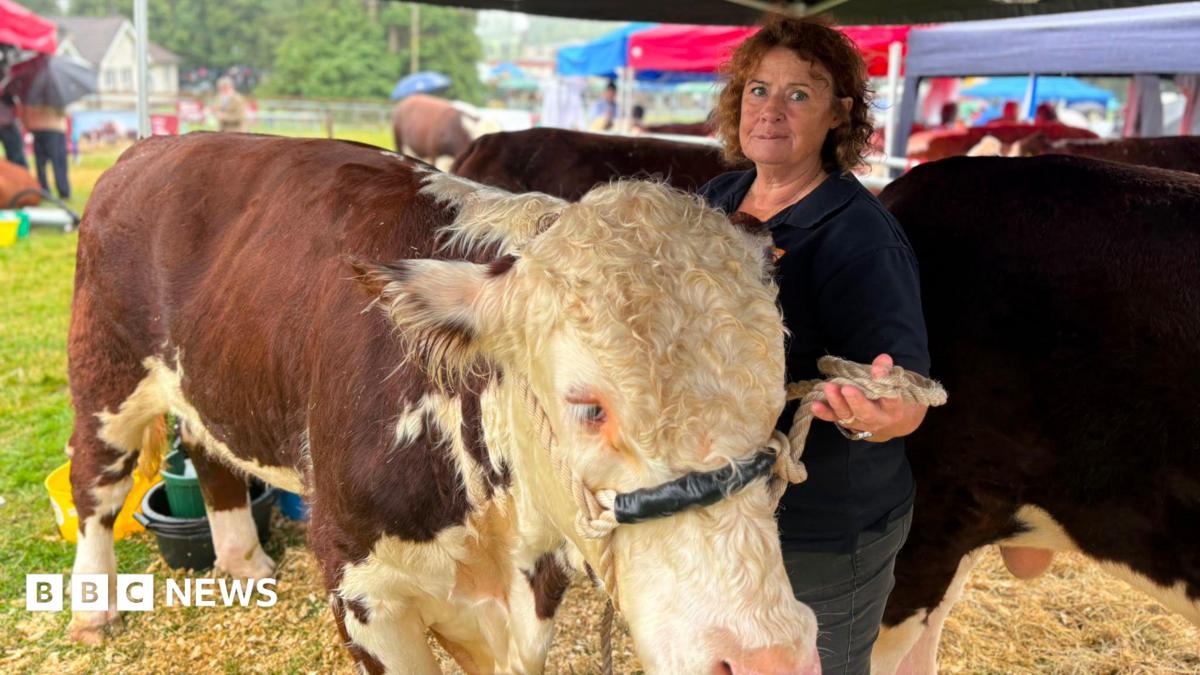
Cattle breeder Rachel Leader said losing animals to bovine TB can have “a devastating effect on all of the family”.
“The loss of that one animal, or animals, that you’ve grown up with, and suddenly there’s nothing after these years of generation… it’s just mind boggling, and you can’t describe the loss when you do lose your cattle.”
The ongoing bovine TB crisis has raised questions about how the disease can be controlled and ultimately eradicated.
A 12-week consultation, launched in early July by Northern Ireland’s agriculture, environment and rural affairs minister, is seeking views on wildlife interventions. Options include culling badgers, as well as testing, vaccinating or removing them.
The cost of tackling bovine TB is expected to exceed £70m this year, with most of the spending going towards compensation for affected farmers.
Although the bTB rate has recently fallen, the disease still affects almost 10% of Northern Ireland’s national cattle herd.
The consultation forms part of the Blueprint for Bovine TB Eradication, which was launched last year to set out a long-term strategy for controlling the disease.
Chief Veterinary Officer Brian Dooher described bovine TB as a “complex problem” that requires a “comprehensive and evidence-based approach”.
Rachel Leader said she intends to respond to the consultation on proposed measures to tackle bTB.
“They blame badgers, but there are other elements that I’m sure will cause and contribute. I don’t think there’s enough traceability.”
Speaking at the Clogher Valley Show in County Tyrone, Leader said one of her heifers “was taken away 18 months ago”.
She said the heifer tested clear for bovine TB after undergoing the required tests.
“It’s the impact of losing pedigree Herefords, the family line, the genetic breeding that we’ve had to build up. She would have been one of our show animals for Balmoral, so we were devastated at that loss.
“We do have a replacement heifer of hers. But very often, when you’ve had generations of breeding cattle, breeding the family lines… to lose those and then try and start again. It just doesn’t work.”
Source: www.bbc.co.uk