


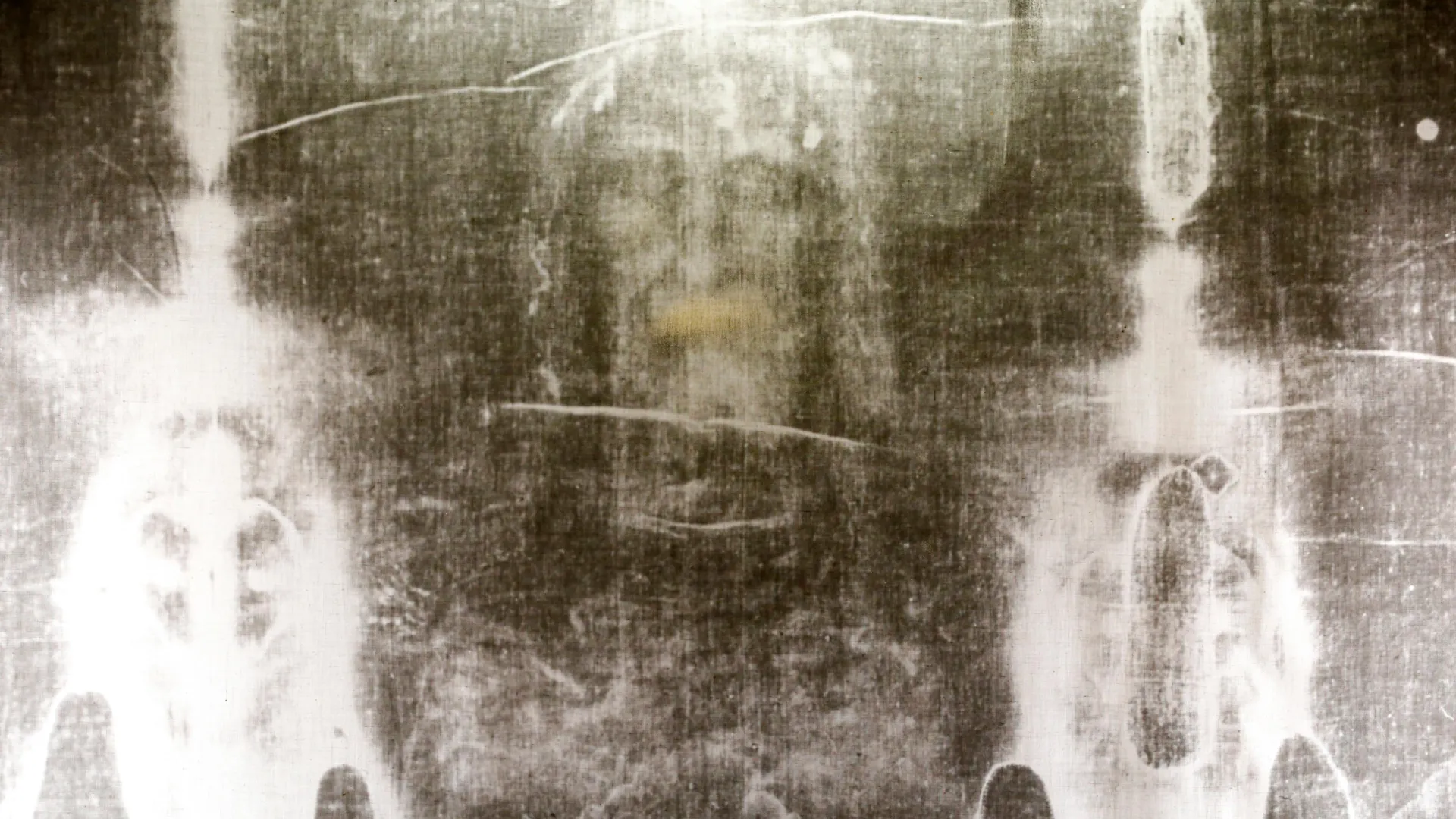
New DNA analysis of the Shroud of Turin has uncovered a remarkably complex biological record, offering fresh insight into the history of one of the world’s most studied and controversial historical artifacts.
Published in Scientific Reports, the study is the first to apply advanced genomic sequencing methods—rigorous PCR-free next-generation metagenomic sequencing—to official Shroud samples collected in 1978. By analyzing genomic DNA preserved within the linen fibers, researchers created the most detailed profile yet of the biological material deposited on the cloth through centuries of human contact and environmental exposure.
Shroud of Turin DNA Reveals a Complex Biological Archive
Professor Noemi Procopio, Professor of Forensic Science at the University of Lancashire, contributed to the international research project. The team identified multiple human mitochondrial DNA lineages, along with a diverse microbiome containing bacteria, fungi and salt-tolerant microorganisms.
Researchers also detected DNA from cultivated plants, domesticated animals and Mediterranean red coral. These findings reflect the wide range of people, objects and environments that may have interacted with the Shroud of Turin throughout its long history.
The results do not determine the age or authenticity of the Shroud. Instead, they demonstrate how forensic genomics and proteomics can help reconstruct the biological history of culturally important artifacts.
Because the linen has been handled and exposed to different environments for centuries, researchers said it is impossible to identify with certainty any original DNA that may once have been present. Nevertheless, advanced metagenomic techniques can provide valuable evidence about the Shroud’s preservation, environmental exposure and movement across different regions.
DNA From Plants, Animals and Microorganisms
In addition to microorganisms commonly associated with human skin, the analysis identified fungi and salt-adapted archaea. DNA from numerous plant and animal species was also found in the Shroud samples.
Plant DNA included cultivated wheat, carrots, maize, bananas and peanuts. Animal DNA was linked to cattle, pigs, chickens, dogs and cats. Together, these biological signatures offer new clues about how the Shroud may have been handled, stored and transported across different geographic regions over time.
Professor Noemi Procopio, Professor of Forensic Science at the University of Lancashire, said: “The Shroud of Turin continues to fascinate historians, scientists and the public, and we’re thrilled to reveal new information about the biological complexity preserved within samples collected almost 50 years ago by applying new cutting-edge forensic DNA technologies.
“The Shroud represents a rich archive of genetic information accumulated through centuries of human interaction and environmental exposure. Although the DNA evidence cannot resolve every question about the cloth’s age or authenticity, it offers new insights into its biological history and shows how advances in forensic science can reveal previously inaccessible information from historical artifacts.”
Source: www.sciencedaily.com