


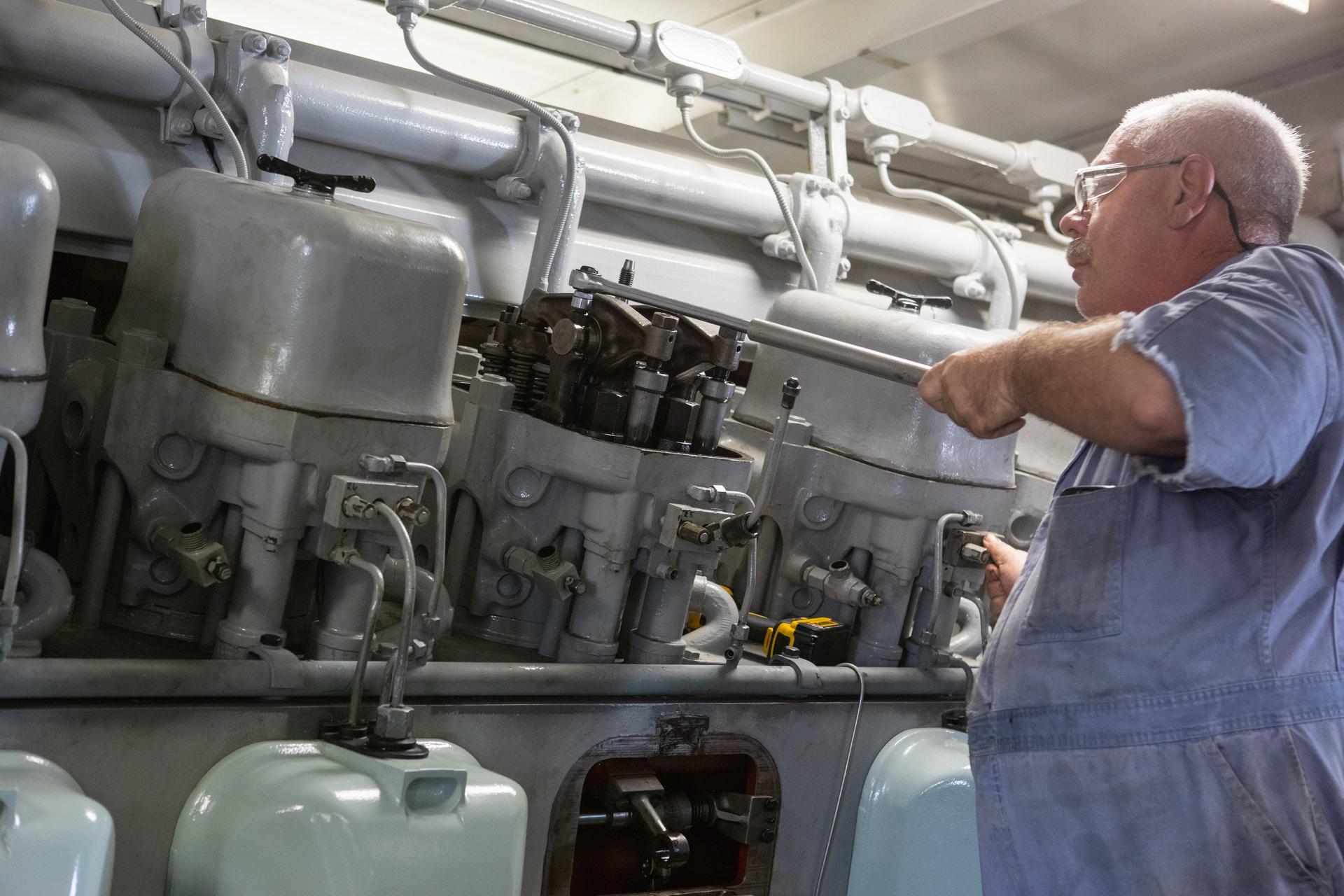
Machines and engines power many parts of modern life, including cars, boats, airplanes, spacecraft, and rockets. Mechanics are skilled professionals who understand how mechanical systems work, how to diagnose problems, and how to complete safe and effective repairs.
When you hear the word mechanic, you may think of someone who repairs cars. However, mechanics work with many types of machines and can specialize in automotive, heavy equipment, aircraft, aerospace, marine, or industrial systems.
What Do Mechanics Do at NASA?
Mechanics at NASA perform a wide range of duties that help support aviation and space exploration. For example, aerospace mechanics maintain aircraft at NASA’s Armstrong Flight Research Center in Edwards, California. These aircraft may be used to study the environment, test new technologies, or evaluate experimental wing designs.
At NASA’s Kennedy Space Center in Florida, mechanics maintain machines such as crawler transporters. These enormous vehicles move rockets from the assembly building to the launch pad and must remain in excellent working condition.
Mechanics at NASA’s Michaud Assembly Facility in New Orleans maintain the fleet of barges used to transport large rocket components. These ships have supported NASA missions for decades by moving rocket parts to different NASA centers for testing, assembly, and launch operations.
How to Become a Mechanic
There are several education and training paths for people interested in a mechanic career. The right option depends on the type of mechanic you want to become. Many mechanics begin with a high school diploma or GED, followed by technical training, an apprenticeship, on-the-job experience, or military service.
Auto mechanic: Auto mechanics diagnose, maintain, and repair the interconnected systems found in cars and trucks. After earning a high school diploma or GED, consider attending a trade school, vocational school, or community college with an automotive technology program. These programs provide hands-on experience with engines, brakes, electrical systems, computer diagnostics, and other vehicle components. Additional training and professional certifications can help you qualify for specialized automotive jobs.
Heavy equipment mechanic: Heavy equipment mechanics service and repair construction, agricultural, mining, and industrial machinery. Some employers prefer candidates with a two-year degree from a community college or technical school, while others offer entry-level positions to high school graduates. New mechanics may begin with basic maintenance tasks and develop their skills by working alongside experienced professionals. Many heavy equipment mechanics complete three to four years of on-the-job training before pursuing certification or licensing.
Aircraft mechanic: Aircraft maintenance and repair require specialized technical knowledge and strict attention to safety. Community colleges and technical schools offer programs approved by the Federal Aviation Administration. These programs provide hands-on training and help students prepare for the exams required to earn aircraft mechanic certification.
Military service is another way to gain valuable mechanical training and industry qualifications. Military mechanics often work with vehicles, aircraft, engines, and other complex equipment while developing skills that can transfer to civilian careers.
How to Prepare for a Mechanic Career in High School
High school students can prepare for a career as a mechanic by taking courses in mathematics, science, computers, and industrial technology. Explore career and technical education programs offered by your school, including automotive technology, welding, electronics, and engineering.
Reading repair manuals and watching reliable online tutorials can also help you understand the basic components and systems inside a machine. Always follow safety instructions and seek guidance from a qualified adult when working with tools or equipment.
Part-time work, job shadowing, and volunteer opportunities at local repair shops can provide valuable experience. These opportunities can help you learn about daily mechanic responsibilities, workplace safety, customer service, and different career specialties.
Begin researching mechanic training programs, community colleges, trade schools, apprenticeships, and certification requirements. Compare each option to determine which path best matches your interests, goals, and financial needs.
Important Skills for Mechanics
Mechanics must be excellent problem solvers. Troubleshooting complex mechanical issues requires logical thinking, patience, and the ability to follow a process. Attention to detail is also essential for taking accurate measurements, identifying worn or damaged parts, and following safety specifications.
Technology is changing the mechanic profession. Today’s mechanics use computer diagnostic equipment, electronic sensors, digital service manuals, and specialized testing tools. Electric vehicles, drones, advanced aircraft, and automated machines are also creating new opportunities for technicians with modern technical skills.
To succeed in a mechanic career, stay curious, continue learning, and be willing to adapt as machines and repair technologies evolve.
Wissam Habal
Armstrong Flight Research Center, Aircraft Mechanic
Source: www.nasa.gov