


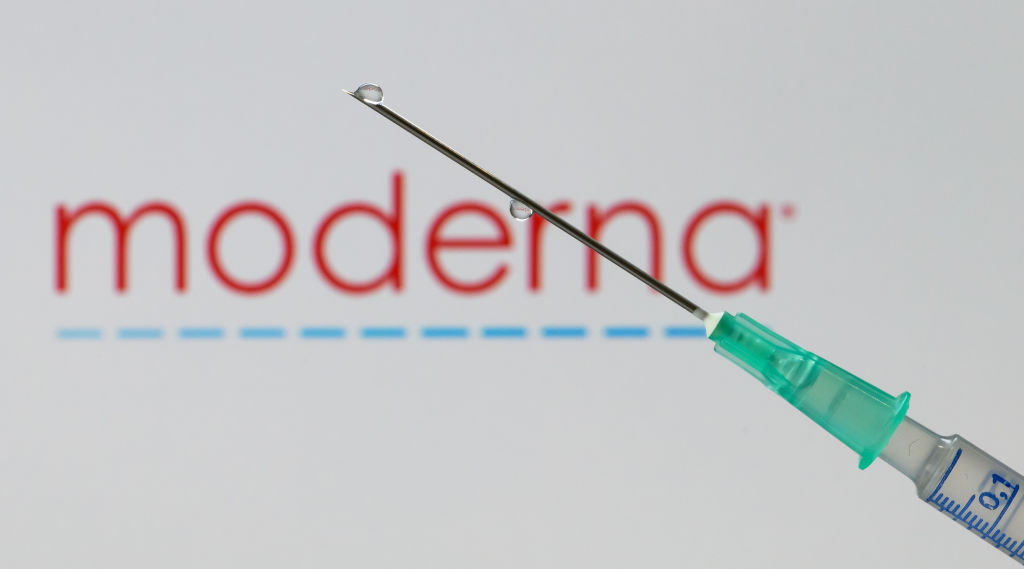
How Moderna and Merck’s Personalized mRNA Cancer Vaccine Works
Moderna and Merck are developing intismeran, a personalized mRNA cancer vaccine designed to help the immune system recognize and attack melanoma cells. The treatment uses the same mRNA technology platform that Moderna employed in its COVID-19 vaccine.
For each patient, researchers identify mutations in the individual’s tumor and create a customized mRNA sequence containing the instructions for those mutations. Once delivered into healthy cells, the mRNA prompts them to produce protein fragments associated with the cancer. The immune system then recognizes these fragments as antigens, or foreign targets, and is trained to identify and destroy cells carrying the corresponding mutations.
Because the treatment targets mutations unique to a patient’s tumor, Moderna and Merck describe it as a personalized neoantigen therapy. The approach combines mRNA technology with precision cancer treatment and is intended to complement standard therapies rather than replace them.
In a joint statement, study leader Georgina Long called the findings a “groundbreaking moment” with the potential to establish “a new treatment paradigm.” Dean Lee, director of Merck Research Laboratories, said the results support “a more personalized approach to cancer treatment.” Moderna CEO Stéphane Bancel also described the findings as a pivotal moment for mRNA-based cancer research.
“For many years, the idea of developing mRNA therapeutics designed specifically for each individual patient’s cancer has been an aspiration,” Bancel said. “We are now helping make that vision a reality.”
Outside experts have also described the announcement as encouraging. Oxford University cancer expert Leonard Lee said it represents an important milestone for personalized neoantigen therapy and mRNA cancer treatment. He noted that researchers have made significant progress in developing cancer treatments based on mRNA technology since the COVID-19 pandemic.
However, several important questions remain unanswered. Experts say additional data is needed on the size of the treatment benefit, patient subgroups, quality of life, and mature overall survival results. These findings will help determine which melanoma patients are most likely to benefit from personalized mRNA cancer vaccines and how the therapy could fit into routine melanoma care.
Source: arstechnica.com