


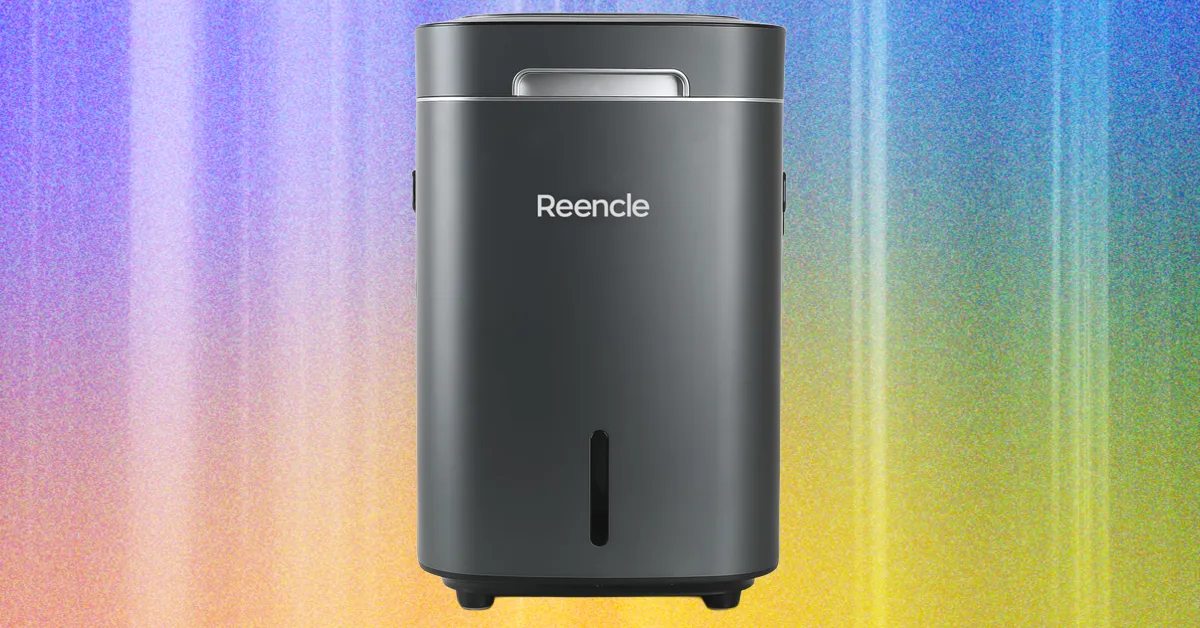
countertop kitchen composters can make it easier to manage food scraps at home. Instead of leaving vegetable peels, eggshells, coffee grounds, and other organic waste in a smelly countertop bin, an electric food recycler can dry, grind, and reduce the volume of kitchen waste in just a few hours.
However, most electric kitchen composters do not produce finished, garden-ready compost. Although these appliances are often marketed as “composters,” many simply use heat, airflow, and grinding to create a dry food-scrap byproduct. The process reduces odor and food-waste volume, but it does not replace the weeks or months of microbial decomposition required to make mature compost.
You can mix a small amount of the resulting material into potting soil or add it to a traditional backyard compost pile. Always follow the manufacturer’s instructions, because the finished material may still contain partially decomposed food scraps and should not automatically be used as a direct substitute for commercial compost.
Reducing food waste is still a worthwhile goal. Food scraps account for approximately 24 percent of the material sent to municipal landfills. As food decomposes without oxygen, it produces methane, a potent greenhouse gas. An electric food recycler can help households divert some scraps from the trash, particularly when backyard or municipal composting is not available.
You may also want an electric composter to make food waste dry, compact, and easier to store before adding it to a community composting program or outdoor compost bin. While critics have raised concerns about greenwashing and promotional marketing, these appliances can still provide practical benefits. They can make people more aware of food waste, reduce unpleasant odors, and typically use relatively little electricity. In testing, about 1 kilowatt-hour of electricity was common for a cycle.
The Reencle Prime is my top pick because it comes closest to functioning like a traditional compost bin. It does not produce fully finished compost immediately, but it uses active microbes to break down food scraps into a soil-like “precompost” that can later be mixed with soil and allowed to mature.
For more ways to grow food and connect with nature at home, see our guides to the best indoor gardening systems and the best smart bird feeders.
Updated August 2026: Added information about Bokashi composting, including testing notes on Bokashi Living’s signature buckets. Buyer guidance, product information, prices, and links have also been updated.
Table of contents
Best overall: Reencle Prime Electric Composter
The Reencle Prime is one of the few electric food recyclers that attempts to replicate the biological process of composting. It uses a microbial starter to help break down food scraps into a moist, soil-like precompost rather than simply drying them into flakes or powder. The material still needs to be mixed with potting soil and allowed to mature before it is used around plants.
The device is larger than most countertop food recyclers, so it may work better on the floor, in a utility room, or in a garage than beside your coffee maker. Its large capacity also makes it useful for households that produce food scraps every day.
To use the Prime, open the lid with the built-in sensor or control-panel button, add your organic waste, and close the lid. There is no need to manage individual drying cycles, replace disposable processing containers, or use a companion app. Depending on the type and amount of food added, scraps can break down over several hours to a few days.
The unit is generally quiet, producing roughly 30 decibels during operation. Odor control is also effective when the machine is not overloaded. If the contents begin to smell, add more “browns”—dry, carbon-rich materials such as shredded paper, stale bread, or dry leaves—and use the drying or purification function when appropriate.
The Prime can process approximately 1.5 pounds of food scraps per day and accepts a wider range of waste than many competing food recyclers, including some meat and dairy products. Check the manufacturer’s accepted-materials list before adding bones, liquids, large quantities of oil, or other difficult items.

For larger households, the Reencle Gravity ($649) offers a larger capacity and can handle up to approximately 3.3 pounds of food waste per day. It is also quieter than the Prime and is nearly silent during normal operation.
The Gravity’s additional capacity can also hold more moisture. During testing, its contents became anaerobic and developed an unpleasant odor more quickly than those in the Prime. To maintain a healthy balance, keep plenty of dry carbon material nearby and stir the contents several times a day with the included scoop when necessary.

When either Reencle model reaches its fill line, remove the processed material and mix it with potting soil at a ratio of approximately 1 part precompost to 4 parts soil. Allow the mixture to mature for about three weeks in a well-ventilated container before using it for indoor or outdoor plants. The resulting blend performed well in both settings during testing.
The Prime requires a microbial starter to begin the decomposition process. Reencle’s starter, which is sold separately for about $65, contains activated charcoal, wood pellets, glucose, and thermophilic microorganisms. The unit also includes a charcoal filter to help control odors. Replacement supplies and the manufacturer’s recommended maintenance schedule should be considered when calculating the total cost of ownership.
If you want an appliance that creates finished compost immediately, an electric kitchen composter may disappoint you. If your priority is reducing food waste, minimizing odors, and producing a useful precompost for a backyard pile or soil-maturation process, the Reencle Prime is one of the most capable options available.
Bottom line: The best electric kitchen composter will not magically turn banana peels into garden-ready compost overnight. These machines are better understood as food-waste recyclers. The Reencle Prime stands out because it combines convenient food-scrap processing with microbial decomposition, making it a practical choice for households that want less food waste and a closer connection to traditional composting.
Source: www.wired.com