


Agrivoltaics: How Solar Panels Can Support Crops, Clean Energy and Farm Worker Safety
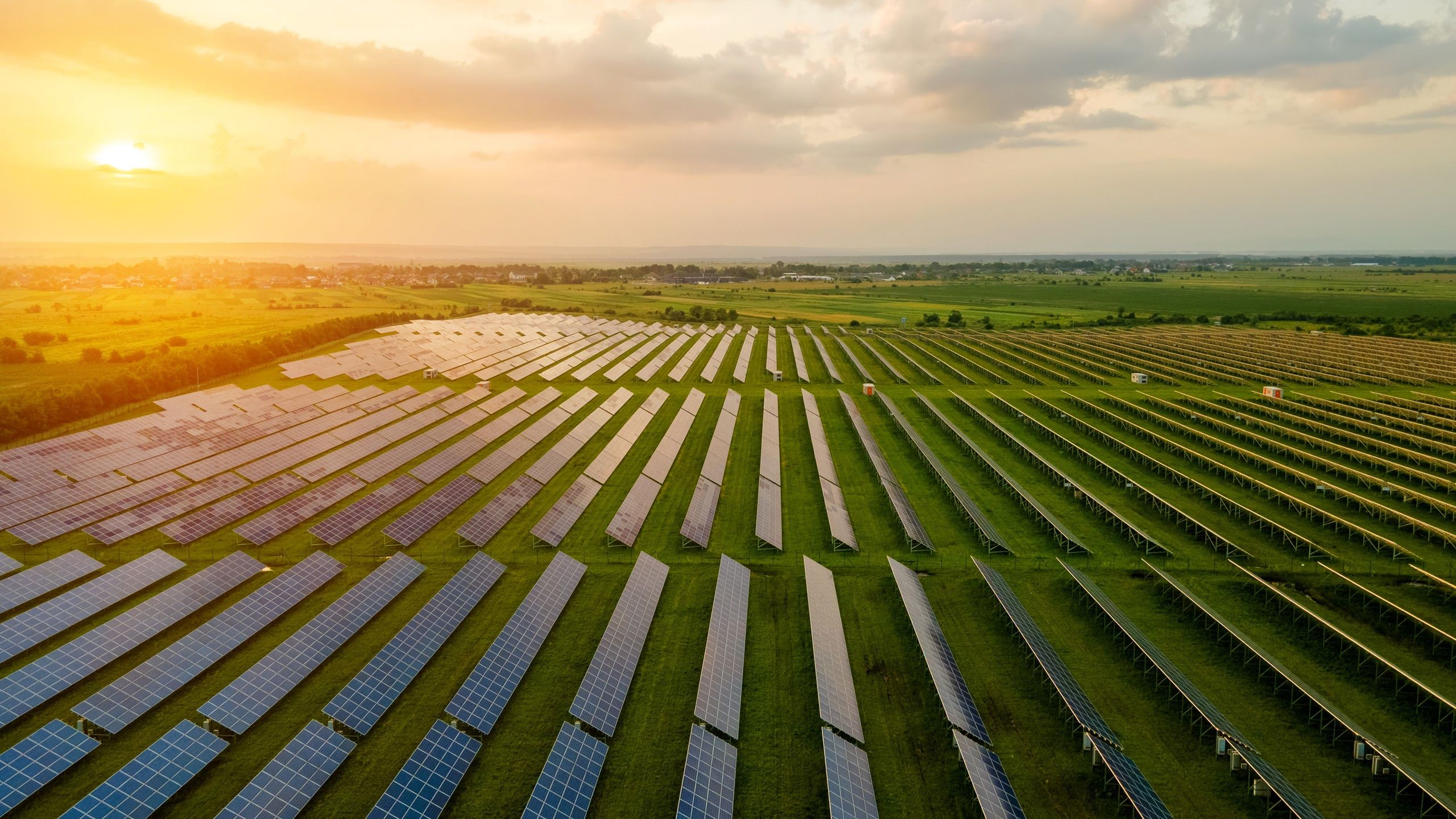
Solar power is most commonly associated with large photovoltaic panels installed in solar farms. As renewable energy expands and is expected to become a major global energy source by 2050, developers face a growing challenge: solar installations can occupy land that might otherwise be used for food production.
Agrivoltaics offers a potential solution by combining solar panels with agriculture. In these systems, crops are grown between or beneath elevated rows of photovoltaic panels. This shared approach can improve land-use efficiency while producing both food and clean electricity.
Previous research suggests that solar panels can benefit some crops by providing shade, reducing exposure to extreme heat and helping soil retain moisture. However, the performance of an agrivoltaic system depends on several connected factors, including crop variety, panel design, sunlight levels, soil conditions and local weather.
Much of the existing agricultural research examines these factors separately, focusing on issues such as light availability or crop growth. A new study by Hosseini and colleagues introduces a model designed to analyze how solar panels, crops, soil, air and water interact within an agrivoltaic farm. The model also evaluates heat exposure and potential safety benefits for agricultural workers.
From the latest videosLive Science
The agrivoltaic model simulates the movement of energy, momentum and mass through a farm environment. It accounts for interactions among photovoltaic panels, plants, soil, air circulation, water movement and carbon uptake. Researchers tested the model against field observations, including leaf-temperature measurements from Davis, California, and soil-temperature data from Chicago.
The researchers then used the model to examine a hypothetical tomato farm equipped with solar panels. The simulation used weather conditions from a hot, humid day in Princeton, New Jersey, a densely populated Mid-Atlantic location where demand for both food and renewable energy is high.
The simulated tomatoes grown beneath solar panels had leaf temperatures that were 1.84°C lower throughout the day than tomatoes grown in full sun. During the hottest part of the afternoon, the leaves were up to 7.56°C cooler. The shaded plants also experienced 22.4% less water loss through evapotranspiration.
Although the tomatoes received 47% less sunlight beneath the panels, their carbon uptake declined by only 31%. The results indicate that reduced heat stress may partly compensate for the effects of lower light levels, highlighting the importance of matching panel layouts and crop types to local climate conditions.
The solar panels also benefited from the shared agricultural environment. During the day, panels installed over crops were 5.6°C cooler than panels positioned over bare ground. As a result, they recovered approximately 15% of the efficiency typically lost during periods of high heat.
Agrivoltaics may also improve working conditions. In the simulation, the average perceived temperature for farm workers fell by 4.46°C during working hours. Lower heat exposure could provide important occupational health and safety benefits, particularly in regions experiencing more frequent heat waves.
The researchers say the model could help farmers, energy developers and policymakers evaluate agrivoltaic systems across different climates, crops and solar-panel configurations. By identifying combinations that protect plants, conserve water, improve solar performance and reduce worker heat stress, agrivoltaics could become an important strategy for producing food and clean energy on the same land.
Source: www.livescience.com