


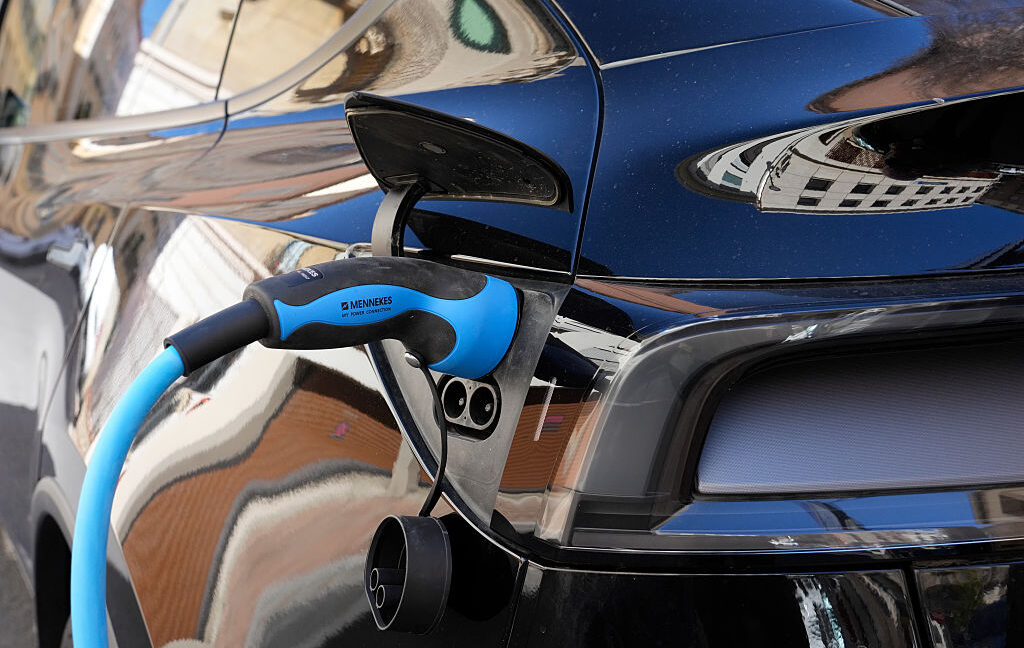
Electric vehicle batteries may last longer than many drivers expect. A new study found that most used EVs retain approximately 90 percent of their original usable battery capacity after 150,000 kilometers (about 93,000 miles).
As electric vehicle sales continue to grow worldwide, battery longevity remains a major concern for drivers considering a switch from gasoline-powered cars. Concerns about battery degradation, replacement costs, and long-term range can significantly influence used EV prices and purchasing decisions.
Most EV battery warranties cover eight years or 100,000 miles (160,000 kilometers). Automakers typically must replace or repair the battery if its usable capacity falls below 70 percent during the warranty period.
A new study by Aviloo, an Austria-based company that analyzes electric vehicle battery health, found that the median state of health (SoH)—the percentage of a battery’s original usable capacity that remains—ranged from 87 percent to 94 percent after 150,000 kilometers of driving across 20 popular EV models.
After 50,000 kilometers, median battery health ranged from 91 percent to 97 percent. After 100,000 kilometers, it ranged from 88 percent to 95 percent. The findings are based on more than 500,000 battery health tests conducted worldwide by Aviloo between 2022 and 2026. The 20 models included popular electric cars such as Tesla’s Model Y and Volkswagen’s ID.4.
Aviloo’s research did not include Chinese EV models because sufficient data was unavailable. The study also found that battery degradation can vary significantly between vehicles of the same model. Climate, battery size, charging patterns, and driver habits—including where a vehicle is parked—can all affect long-term battery health.
“Whereas with internal combustion engine cars, age and mileage more or less determine the vehicle’s value and technical condition, this is not the case with EVs,” said Marcus Berger, CEO of Aviloo. “Even if the cars look the same, are from the same year, and have the same mileage, we do not know how they have been treated.”
Source: arstechnica.com