


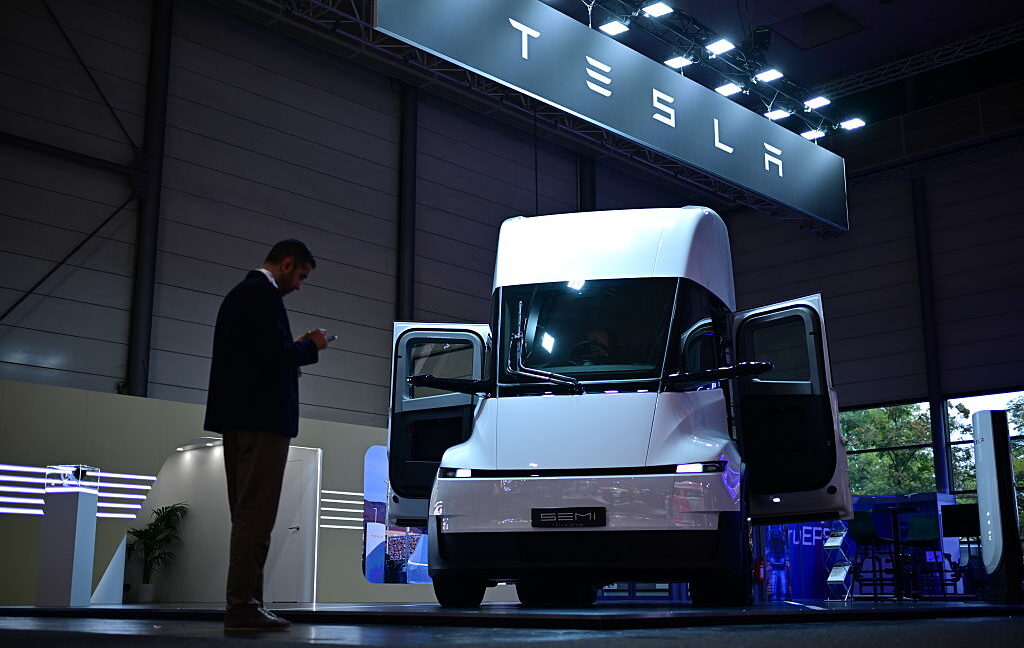
Tesla Semi Lands Record 2,500-Truck Order as Diesel Prices Surge
A consortium of shippers, including Microsoft and PepsiCo, has placed a record order for 2,500 Tesla Semi electric trucks. Deliveries are expected to begin this year and continue over the next 18 months.
Once delivered, the trucks could nearly double the number of large electric trucks currently operating on US roads.
High diesel prices strengthen the case for electric trucks
The order comes as US diesel prices reach record highs. The ongoing war in Iran has disrupted oil production and shipping in the Middle East, pushing prices to nearly twice their level at the same time last year.
“Trucks make a lot of economic sense, especially in these crazy times, when the cost of electricity is so much cheaper than the cost of diesel,” Tesla CEO Elon Musk said in a prerecorded speech.
The timing is notable because the Trump administration and the Republican Party spent millions to enter the White House while also cutting federal support for electric vehicles by billions of dollars last year. The administration is also working to lower fuel economy standards for truck engines, potentially making it harder for manufacturers to meet aggressive climate goals. Heavy trucks account for about 7 percent of US greenhouse gas emissions.
Why shippers chose the Tesla Semi
Meena Bibra, a spokesperson for the nonprofit Smart Freight Center, which was involved in the deal, told WIRED that the group selected Tesla trucks after evaluating “price, performance, production capacity, and service support.”
Other electric truck options are available from manufacturers including Kenworth, Einride, and Volvo.
By combining demand from multiple carriers, the consortium said electric truck manufacturers were able to reduce prices for new vehicles.
Tesla Semi autonomy remains unavailable—for now
Tesla’s driver-assistance features, including Full Self-Driving with supervision, are not yet available in the Semi. Musk said in his speech that the technology would debut in the “very near future.”
The predecessor to the feature, Enhanced Autopilot, was promised during its initial rollout in 2017.
This article originally appeared on Wired.com.
Source: arstechnica.com