


London has welcomed Britain’s first robotaxi service, with Uber becoming the first company to launch self-driving minicabs in the UK capital.
The initial launch is limited to 15 licensed self-driving cars. Each vehicle must have a trained human safety driver behind the wheel who can take control if necessary.
Uber said a survey of customers in London, conducted through its app, found that more than 100,000 people would choose self-driving taxis if the service were available. The announcement comes despite an incident involving a self-driving taxi breaking down in a US city where the technology is already in operation.
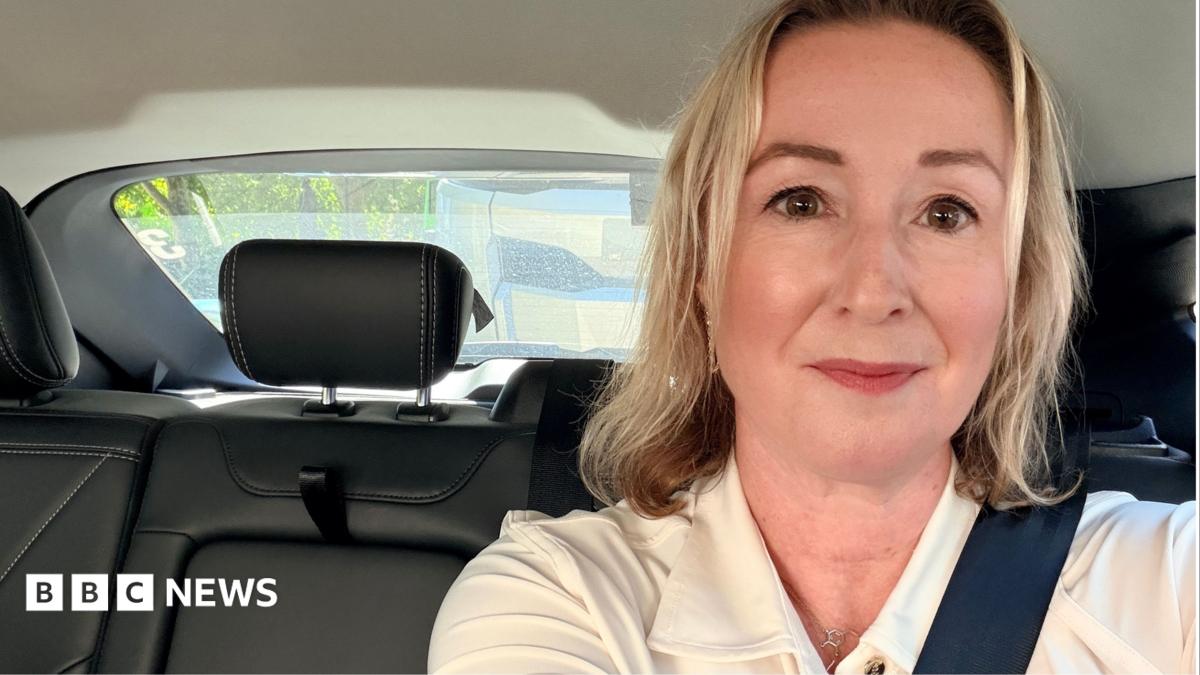
During my first ride as a British journalist, the journey was largely smooth, although the safety driver had to intervene once.
For now, Uber robotaxi rides in the UK cost the same as standard UberX, Uber Electric and Uber Comfort journeys. Passengers can see the fare upfront in the Uber app.
The self-driving taxi option appears in the app only after a journey has been booked and when an autonomous vehicle is available nearby.
Sarfraz Maredia, Uber’s global head of self-driving mobility and delivery, said the company expects to expand the service gradually over the coming years.
“We’ve always wanted consumers to be able to request a human ride or a self-driving car. As the market grows, we expect to have human drivers in Uber London for a long time to come,” he said.
Uber’s initial robotaxi fleet consists of electric Ford Mustang cars fitted with autonomous-driving technology from British company Wave. The system uses artificial intelligence to analyze real-time data collected by sensors mounted on the vehicle’s roof.
Rather than following a fixed, pre-programmed route, the vehicle responds to changing traffic and road conditions as they happen.
Competition in the UK self-driving taxi market is intensifying, with Google’s autonomous vehicle company Waymo and Chinese technology giant Baidu also seeking to launch services in Britain.
Wayve chief executive Alex Kendall called the development of autonomous-driving technology “the space race of our generation”, while acknowledging that the industry faces “very difficult problems to solve”.
“What we’ve done over time is pioneer a completely new approach to autonomous driving, enabling us to bring it to crowded, complex cities like London and scale it globally,” he said.
Source: www.bbc.co.uk