


Cold War Spy Satellite Explodes in Orbit, Raising New Space-Debris Concerns
An American spy satellite from the Cold War has broken apart unexpectedly above Earth, creating a debris field that scientists are still working to measure. Experts warn that the fragments could pose a real collision threat to other spacecraft in the increasingly crowded region of low Earth orbit (LEO).
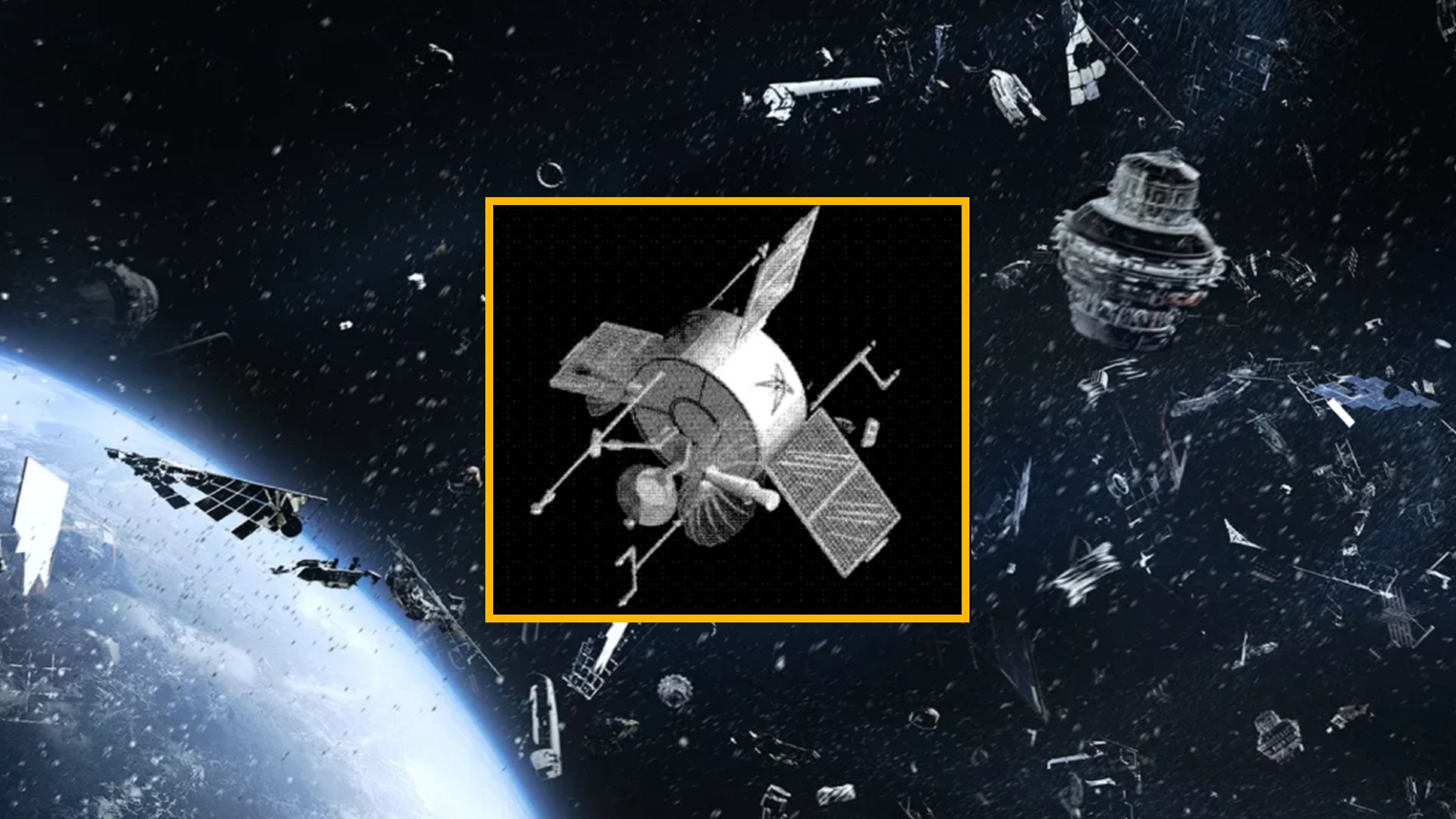
The spacecraft, known as USA 32 Farah III, was launched by the National Reconnaissance Office in 1988. Its mission was fully declassified earlier this year and reportedly involved intercepting Soviet radar and radio signals from orbit, according to Futura.
The cylindrical satellite was often described as resembling a giant “tuna can.” It is believed to have stopped functioning decades ago while continuing to orbit Earth. Its nickname referenced actor Farrah Fawcett, following the NRO’s practice of naming satellites after notable figures from the 1970s and 1980s.
What happened to USA 32?
On September 13, USA 32 experienced what officials described as a sudden “fragmentation” event. The term means that the spacecraft may have broken apart into dozens, hundreds or even thousands of pieces.
The U.S. Space Force’s satellite observation division announced the event on September 17 through Space-Track. However, authorities have not disclosed what caused the breakup or how many debris fragments were created. As of September 28, both questions remained unanswered.
Private satellite-tracking organizations have also confirmed the incident. S2A Systems photographed what it described as the largest remaining portion of USA 32 in orbit.
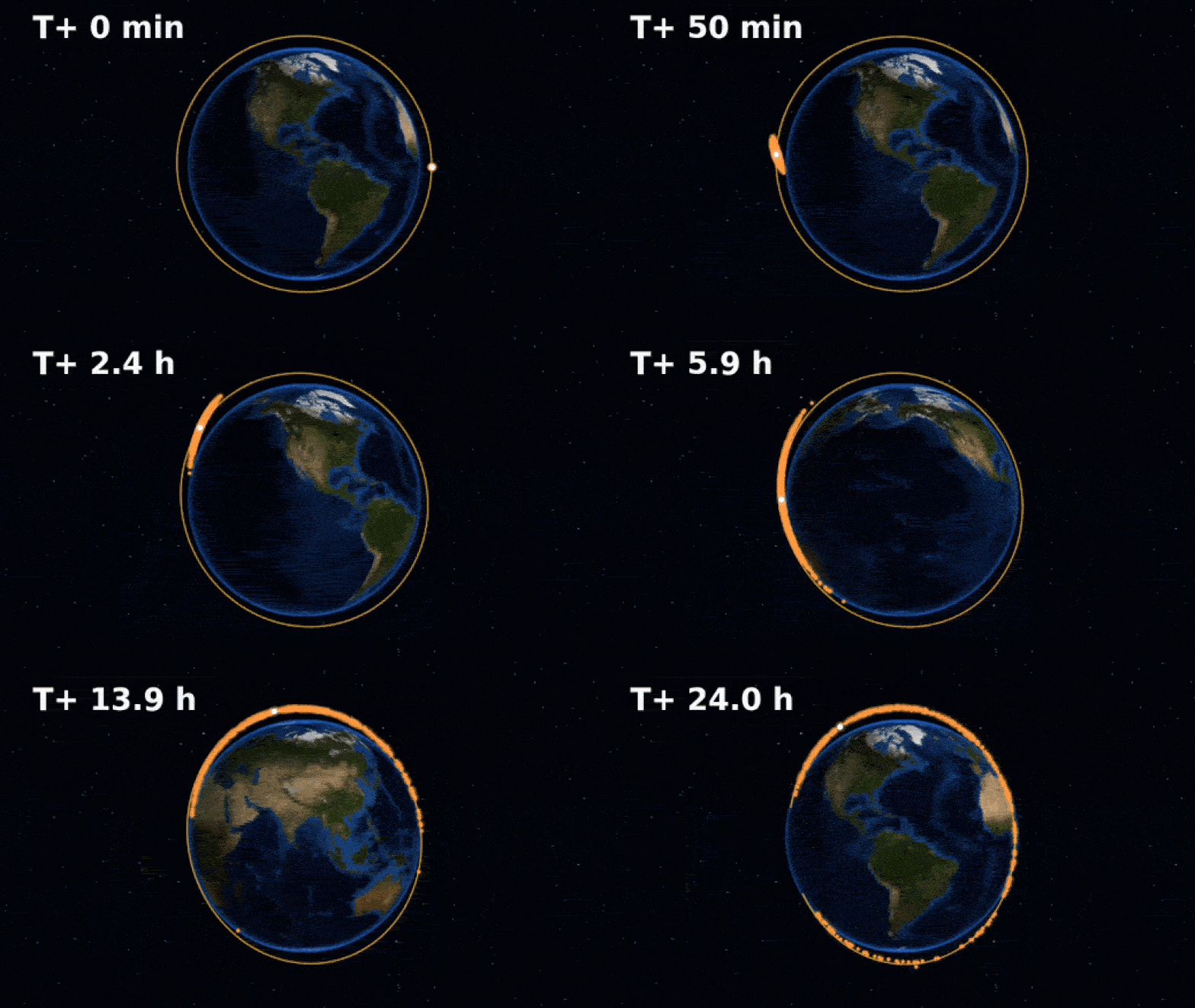
The satellite broke apart approximately 480 miles (775 kilometers) above Earth. Because objects in orbit travel at extremely high speeds, simulations from Spaceweather.com suggest that the debris could have spread around much of the satellite’s orbital path within 24 hours.
Why did the Cold War satellite break apart?
The cause of the USA 32 breakup is still unknown, but researchers have identified several possible explanations.
A collision in orbit
A collision with another satellite or a small piece of space junk is one of the most common causes of a satellite breakup. However, no other spacecraft has been reported damaged in the incident, and researchers can often estimate the likelihood of a collision in advance.
An undetected piece of space rock could also have struck the satellite at high speed, although there is currently no evidence confirming that scenario.
Old batteries or residual propellant
Another possibility is that the nearly 40-year-old spacecraft failed because of age. Satellites that remain in orbit for decades are exposed to repeated heating and cooling, radiation and other harsh conditions.
“Old spacecraft carry batteries and residual propellant,” Spaceweather.com representatives wrote. “After 38 years of heating and cooling, USA 32’s pressurized tank or battery cell may have simply ruptured.”
An anti-satellite weapon?
It is also too early to rule out the possibility of an anti-satellite weapon, according to Spaceweather.com. Earlier this month, U.S. Air Force Secretary Troy E. Meink revealed that an unspecified weapon had been launched into orbit. Experts have long suspected that countries including China and Russia possess similar technology.
However, there is currently no evidence that a weapon was used against USA 32. Spaceweather.com representatives wrote that “there may not be anything sinister about this event.”
Researchers may eventually determine the cause by identifying the debris fragments and tracing their trajectories back to the original breakup point. That process can take months or even years. Scientists are still investigating the unexplained breakup of Boeing’s Intelsat 33e satellite in 2024.
Why the debris could threaten other spacecraft
The breakup occurred in a heavily used section of low Earth orbit believed to contain at least 200 other satellites. The region is also already contaminated by debris from earlier incidents, including the 2009 collision between an American and a Russian satellite.
Because the amount of new debris has not yet been determined, Spaceweather.com representatives warned that “the risk of collision is real” for spacecraft operating in the area.
So far, the incident has not caused reported problems or prevented new missions from launching. Russia proceeded with a September 16 supply mission to the International Space Station, which orbits approximately 250 miles (400 kilometers) above Earth—about half the altitude of USA 32.
SpaceX also launched classified missions for the U.S. Space Force on September 16 and September 26. The first orbital test flight of the Starship rocket was scheduled for September 28.
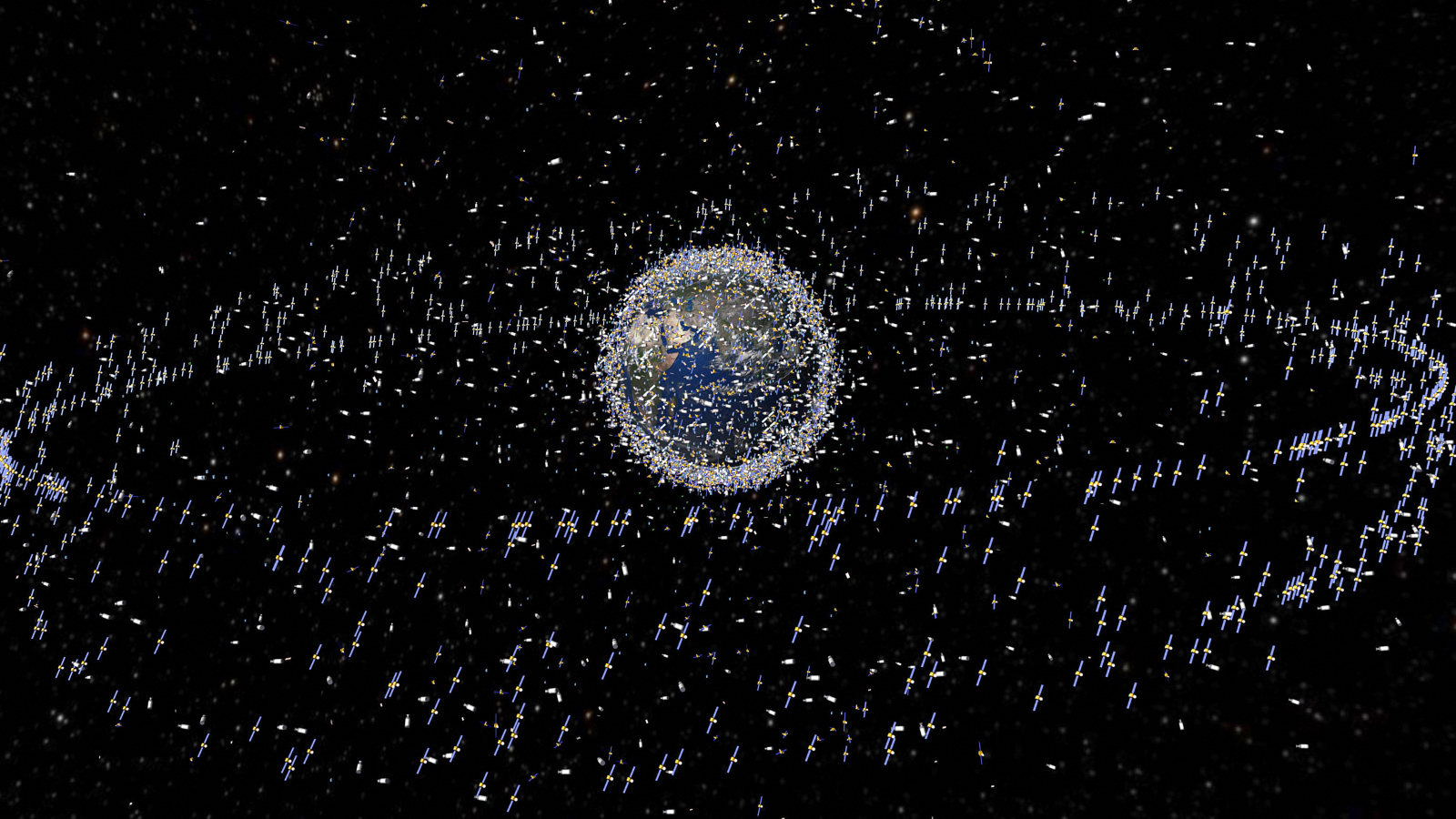
The debris field is not currently considered an immediate threat to the International Space Station or China’s space station. However, fragments can shift over time as Earth’s gravity and atmospheric drag alter their orbits. Space stations may need to perform avoidance maneuvers when debris approaches—a procedure that has been carried out many times before.
Could another satellite break apart unexpectedly?
As low Earth orbit becomes more crowded, the risk of collisions and satellite breakups is increasing. The growing amount of space junk means that USA 32 is unlikely to be the last spacecraft to fragment unexpectedly.
Older satellites are especially vulnerable to accumulated wear and tear. Spacecraft that have been taken offline can also become active again because of software malfunctions or powerful solar storms, creating additional collision risks.
Anti-satellite weapons remain another potential threat. If the amount of orbital debris continues to grow, experts warn that Earth could move closer to an irreversible chain reaction known as Kessler syndrome. In that scenario, repeated collisions could make some orbital regions too hazardous for future launches and spacecraft operations.
Source: www.livescience.com