


Every Electric Deploys 2,000 Home Batteries Across New York City
Every Electric is expanding its distributed home battery storage network in New York City after deploying 2,000 batteries across approximately 1,000 homes by summer 2026.
From 100 batteries to 2,000
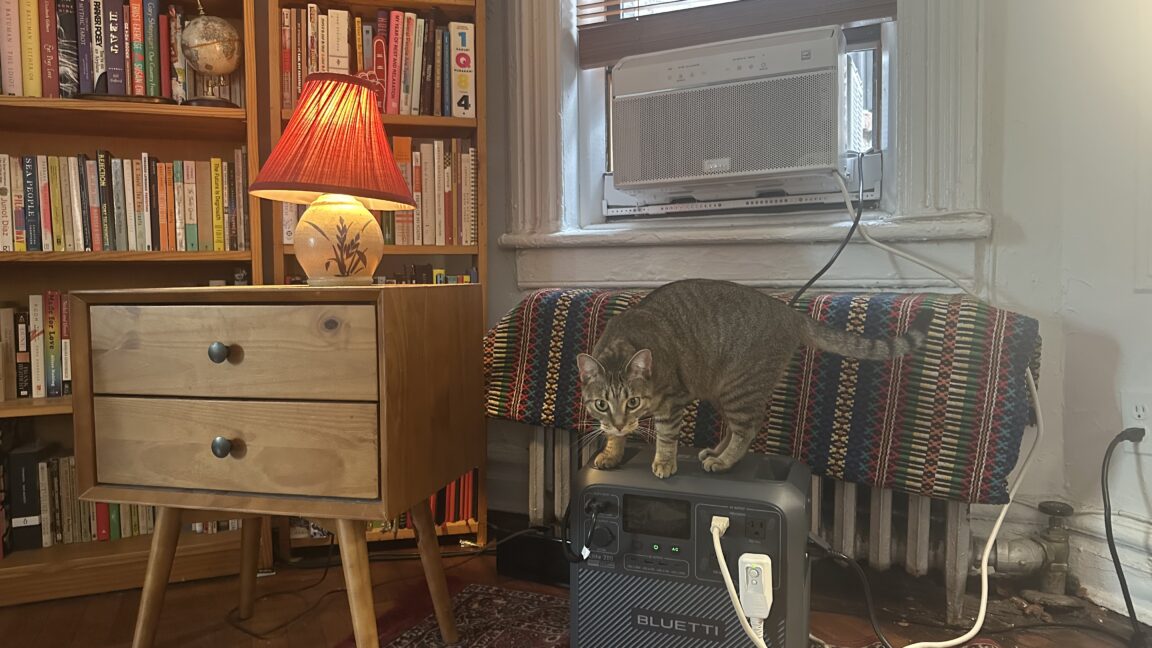
The company deployed 100 batteries to 65 homes during an initial pilot in summer 2025. In 2026, it scaled the program to 2,000 batteries in approximately 1,000 homes, providing a total of 4 megawatt-hours of energy storage.
“If you think of a large utility-scale containerized battery, one of those blocks is typically 4 megawatt-hours,” Wang explained. “So we took it and split it into 1,000 pieces and distributed them all over the city.”
Distributed battery storage for New York homes
The approach could make home battery storage available to more households as Every Electric expands into the largest cities in the United States. New York City has more than 2 million rental homes, while 80% or more of its homes were built more than 50 years ago. These homes typically rely on window air conditioners rather than central air conditioning.
Not all of the program’s first customers were apartment residents. Early customers included residents of single-family homes in New York City’s Queens and Brooklyn boroughs. Some are pairing the batteries with plug-in solar panels to combine home energy storage with renewable power.
15,000 battery requests on the waiting list
Regardless of a home’s configuration, Every Electric’s program has proven popular during its first two years. With more than 15,000 battery requests on the waiting list this summer, the company aims to deploy more than 10,000 batteries by 2027.
Every Electric explores new utility markets
Every Electric remains focused on New York City as its home market. As its battery network grows, however, the startup is exploring new ways for Con Edison and other utility companies to capture value from distributed energy storage systems beyond participating in demand-response programs.
“New utilities are coming to us and they see this as a solution where they can literally drop ship megawatt hours to their customers,” Wang said. “So we are certainly looking at how to map this model to new markets.”
Source: arstechnica.com