


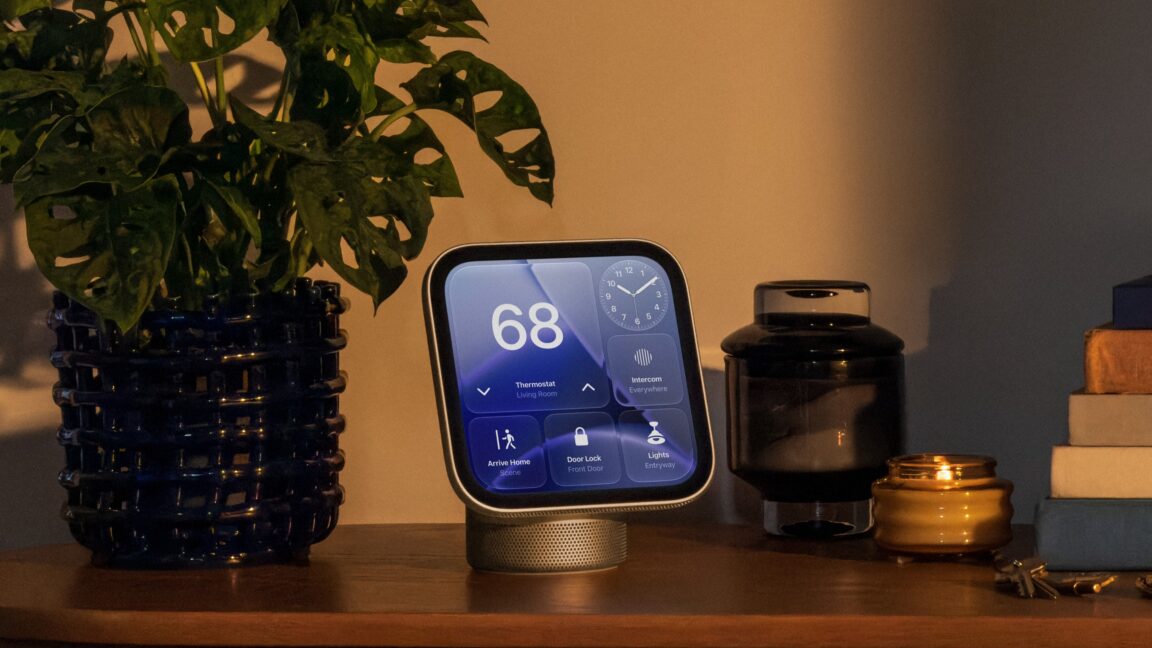
Apple HomeView Smart Home Hub Opens for Pre-Orders With Siri AI, Camera Monitoring and Multi-User Support
Apple has opened pre-orders for HomeView, a 7-inch smart display and speaker designed to serve as a central control point for the company’s smart home devices, apps and Siri-generated AI chatbots, which are currently in beta.
Apple HomeView turns Siri into a smart home control center
HomeView supports up to six family members, allowing each user to access personalized profiles and control compatible devices across Apple’s ecosystem. Users can speak to HomeView to manage their smart home, such as asking Siri to close smart blinds or activate a smart lock.
The display can also show live video from up to nine cameras simultaneously, giving households a single screen for monitoring multiple areas of the home.
“With a supported iCloud+ subscription, HomeView works with compatible cameras to deliver intelligent, end-to-end encrypted recognition of people, familiar faces, pets, luggage, and vehicles, and notifies households the moment someone arrives at the door,” Apple said in its announcement.
HomeView can also provide descriptions of video captured through HomeKit Secure Video. This allows users to understand what happened in a clip without watching the entire recording.
HomeView acts as a smart home hub.
Credit: Apple
HomeView competes with Amazon Echo Show
Apple HomeView competes with devices such as the Amazon Echo Show. Its built-in camera can identify users and display their individual profiles. Users can also personalize the device with their favorite apps and widgets.
HomeView profiles can be connected to an iPhone or iPad that supports Apple Intelligence. This enables access to Messages, Calendar, Reminders and FaceTime from the smart home hub.
Apple Intelligence adds personalized assistance
When paired with an Apple Intelligence-enabled iPhone or iPad, Siri can take actions across apps and use personal context to surface relevant information from Messages, Calendar, Apple Music playlists and more, according to Apple.
Source: arstechnica.com