


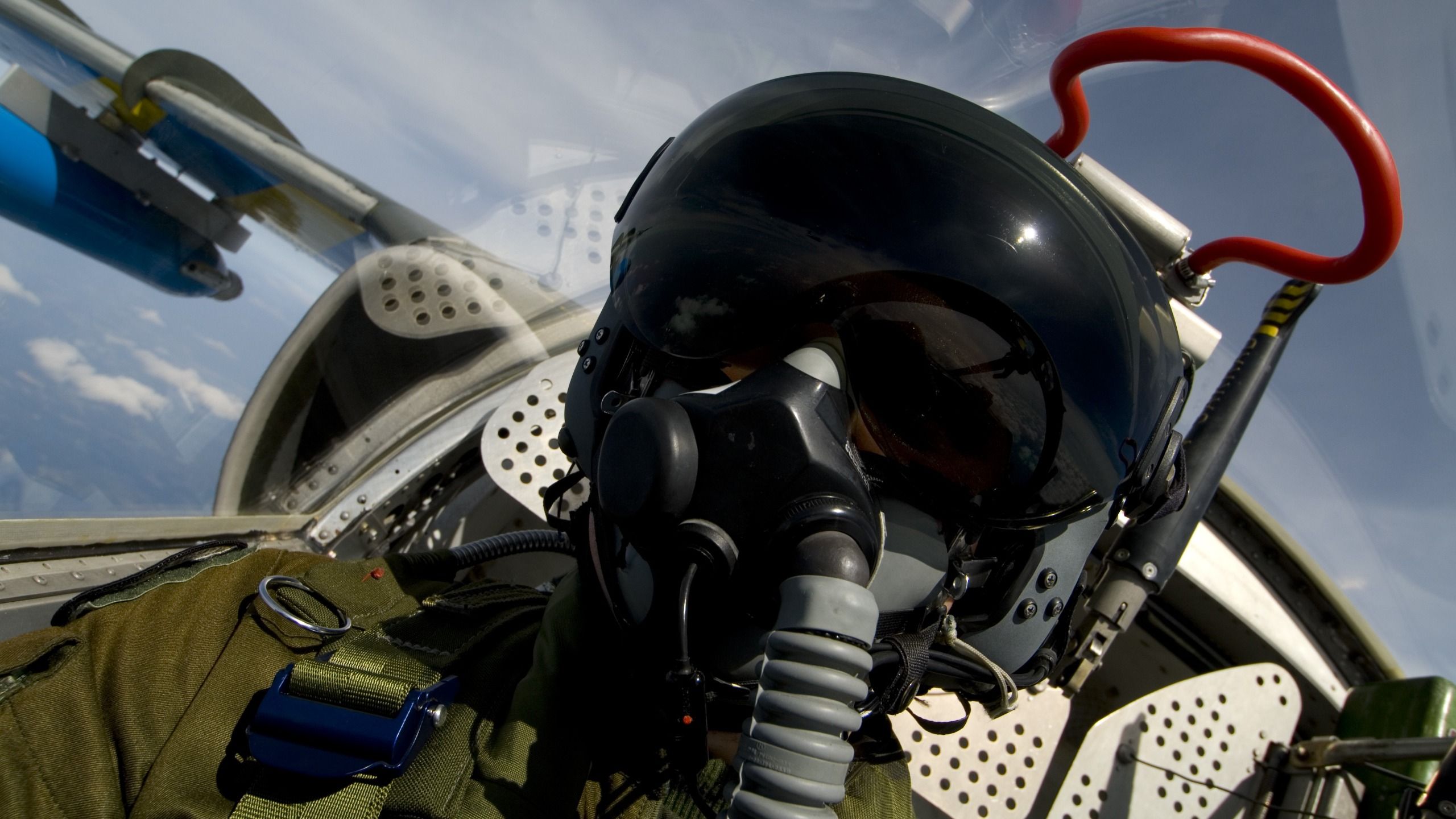
Fighter Pilot’s Severe Headaches Were Caused by a Poorly Fitting Helmet
A 29-year-old Indian Air Force fighter pilot suffered recurring headaches for 18 months before doctors discovered that the pain was caused not by migraines, but by pressure from a poorly fitting flight helmet.
Headaches Lasted for Up to Three Days
The pilot consulted a civilian neurologist after experiencing headaches two or three times a month. The pain usually began in the late afternoon, lasted for up to three days and did not improve with sleep.
The headaches were generally worse on the right side of his head, although he sometimes felt them on the left. He also reported feeling unwell shortly before the pain began.
At times, the headaches were so severe that he could not take scheduled flights. Flying during an attack appeared to make the pain worse the following day.
The pilot did not report nausea, vomiting or visual disturbances known as auras, which can accompany or precede migraines. He also had no recent illnesses, sinus problems, neurological conditions or family history of chronic headaches or migraines.
Doctors Initially Diagnosed Migraine
Civilian doctors diagnosed the pilot with migraine and prescribed divalproex, an oral medication used to prevent migraines. They told him he might need to take the drug for many years.
Concerned about long-term medication use, the pilot sought a second evaluation at a military medical facility.
Military doctors found that his test results were normal, and a CT scan showed no abnormalities in his brain. A nasal endoscopy revealed a deviated nasal septum, but the deviation was considered too minor to explain the headaches.
The military doctors initially agreed with the migraine diagnosis. They prescribed sumatriptan to be taken at the first sign of pain and aspirin to be used during headaches. The pilot was permitted to continue flying under restricted conditions and was required to undergo monthly neurological examinations for three months.
An Indian Air Force fighter jet photographed in 2019. The pilot’s headaches were sometimes severe enough to prevent scheduled flights.
Image credit: Abhishek Singh via Getty Images
The Headaches Stopped After the Pilot Changed Helmets
After four months, the headaches had disappeared and the pilot stopped taking the medication. However, severe migraines can disqualify a pilot from flying, so his superiors required a detailed medical examination before restoring his unrestricted flying status.
During interviews conducted over three days, doctors reviewed when the symptoms first appeared and what circumstances preceded the headaches. They were struck by several unusual details: the pilot had no nausea, vomiting or aura, and sleep did not relieve the pain.
The pilot then recalled that the headaches had begun after he started using a new type of helmet with a tighter fit. The pain occurred on multiple flight days and became worse the longer he wore the helmet.
Around the time he began taking prescription medication, the pilot received a new flight suit that included a properly sized helmet. His headaches suddenly stopped.
After reviewing the case, the military doctors concluded that the original migraine diagnosis was incorrect. Instead, the pilot had an external compression headache caused by pressure from a poorly fitting helmet.
External compression headaches result from intense pressure on the scalp and forehead and generally resolve when the pressure is removed.
What Happened After the Correct Diagnosis?
Doctors instructed the pilot to keep a headache diary and attend regular medical examinations. Five months later, the headaches had not returned because he continued using the better-fitting helmet.
The doctors reviewed peer-reviewed studies and found no similar reports of pressure headaches “in any air force in the world,” according to their report. They highlighted the medical importance of ensuring that a pilot’s flight equipment, particularly the helmet, fits correctly.
This unusual case shows why recurring headaches may require careful evaluation of potential triggers, including external pressure from protective equipment. Genetics and environmental factors can also influence the duration and intensity of migraine pain.
This article is for informational purposes only and does not provide medical advice.
Can you identify the diagnoses in other unusual medical cases? Explore the diagnosis dilemma quiz.
Topics
Source: www.livescience.com