


Indian Barber Wears a Head-Mounted Camera to Help Train AI Robots
Workers in India and around the world are being paid to record everyday tasks for companies developing physical artificial intelligence.
Barber Records Haircuts for AI Training
Mohammed Asim has been cutting hair and trimming beards in Bangalore for four years.
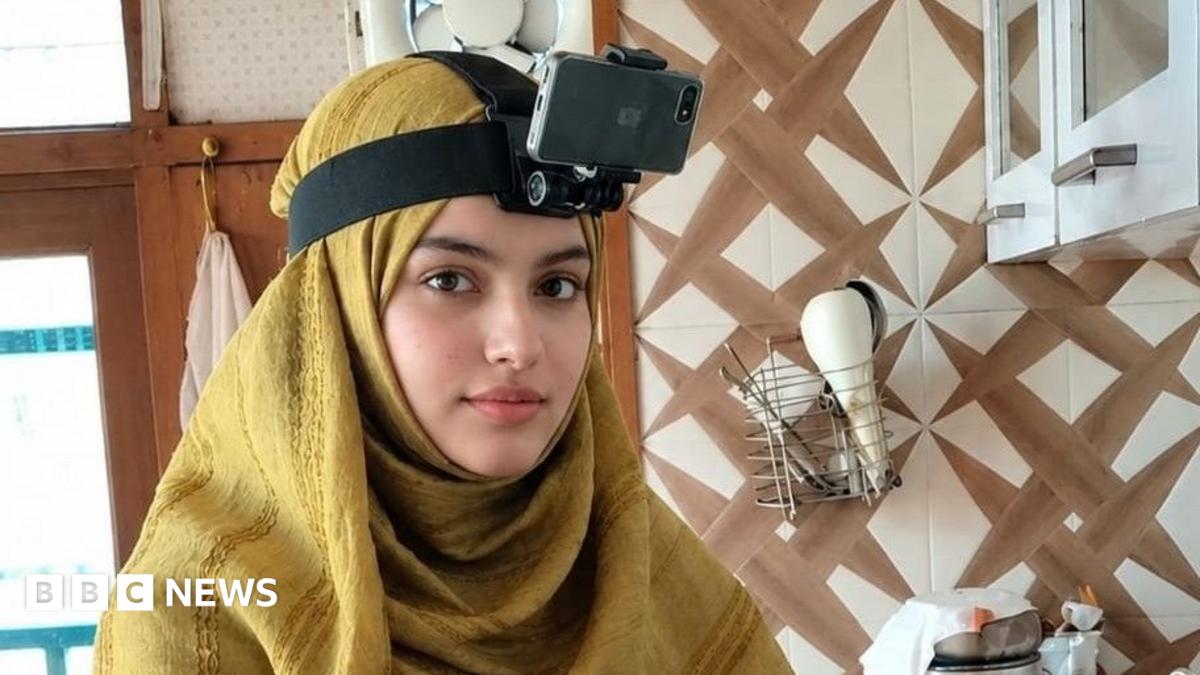
But these days, the 22-year-old also wears a camera on his head to record his work.
The camera records only his hands and fingers, while the client’s face is blurred.
“The routine is simple, but you have to be disciplined about how you move. The operations team taught me that your hands should always stay neatly in the frame, the lighting should be clear, and you shouldn’t tilt your head too sharply while working,” Asim says.
He wears the camera for five or six hours a day.
“It’s good money, but to be honest, the feeling of doing something so futuristic excites me. I never imagined that my razor technology would be useful to a global technology company,” he says.
How Human Activity Is Used to Train Physical AI
Asim is one of hundreds of thousands of workers around the world who are paid to record their activities.
His footage is collected by a local company, and hundreds of people may be filming their work. The videos are then sold to technology companies and research institutes to train artificial intelligence—particularly so-called physical AI, which can control robots in the real world.
Rashdan Technologies collects and processes this human-generated data.
“Every robotics company, every frontier AI lab, has a specific type of data that they need, whether it’s industrial work, agriculture, domestic work, small business work like pottery, garment manufacturing, embroidery, candle making, etc. We go wherever the task is,” said co-founder and CEO Shahir Baig.
Workers Are Paid to Record Their Jobs
Baig’s company pays between $5 and $10 (£3.74 to £7.47) for eight to 10 hours of recording work.
“For a lot of people, it means something,” Baig said.
He says it is important to ensure that employees support the work and feel comfortable with the process.
“We record hands, not faces, and blur faces when the multi-camera rig captures more of the body or environment. Nothing we hand over includes names, contacts, or anything that personally identifies you,” Baig said.
AI Companies Want More Cameras and More Data
However, customers are becoming increasingly demanding.
“Currently, clients are requesting that we mount four to six cameras around a person’s head to cover the entire scene, not just the hands,” Baig said.
“It’s one conversation to get people to agree to one small camera. It’s a completely different and more difficult story to get them to agree to wear a headset that effectively has five cameras. Because of what we’re asking people to do, we’re paying more for that level of data collection.”
The industry is also becoming increasingly crowded, with Agarwal expecting dozens more competitors to emerge in India this year.
Source: www.bbc.co.uk