


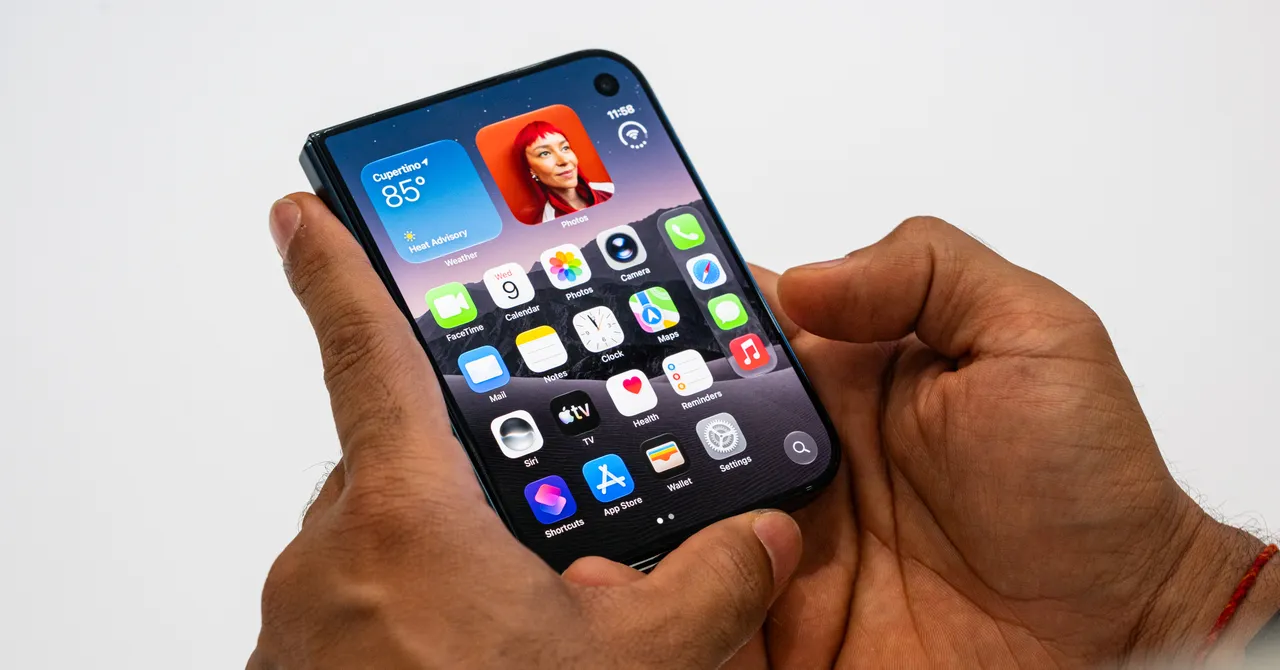
iPhone Duo: What to Know About Apple’s First Foldable iPhone
iPhone Duo is finally here. Apple’s first foldable smartphone arrives seven years after Samsung pioneered the category with the Galaxy Fold, giving Apple plenty of time to refine its hardware behind closed doors rather than in public. The result is a very good foldable phone.
Whether the iPhone Duo just arrived on your doorstep or you’re still considering its $1,999 price, here’s what you need to know before you unfold it.
iPhone Duo apps are not fully optimized yet
Photo: Julian Cioccatu
Because the iPhone Duo introduces a new shape and size for Apple, many apps may not yet display correctly on its distinctive 5.4-inch outer screen or 7.6-inch inner display. Apple has also changed how navigation elements appear on the Duo, placing them on the right rail instead of centering them at the bottom as on other iPhones.
Apple’s redesigned apps look great on the iPhone Duo. However, many third-party apps still look like the Google Home app pictured above, with a long, narrow strip in the middle and thick black bars on either side. Some major developers—including Slack, Instagram, DoorDash, and WhatsApp—have already optimized their apps for iOS 27.1, but even optimized apps such as Instagram can still have broken user-interface elements.
It will take time for every app in your library to work smoothly across the iPhone Duo’s two displays. The phone’s backorder may ultimately be a good thing: By the time it arrives, app developers will likely have had more time to support the new device, creating a richer foldable experience.
The iPhone Duo says goodbye to Face ID

Photo: Julian Cioccatu
Nearly a decade ago, Apple introduced Face ID as the future of the iPhone, eventually replacing fingerprint-based Touch ID. That makes it surprising that Apple’s first foldable iPhone does not include Face ID. Instead, the iPhone Duo relies on older biometric authentication methods, perhaps because Face ID technology requires too much space for the thinner foldable design.
Touch ID never disappeared completely. Apple continued using it in the iPhone SE, iPad, and MacBook. However, the iPhone Duo marks the first time Touch ID has returned to a flagship iPhone.
Source: www.wired.com