


Concerns about artificial intelligence spreading across a group of companies have raised questions about protecting SpaceX’s success and limiting the use of its resources to fund broader ambitions. At the same time, Tesla’s technology strategy is influencing traditional automakers, which are expanding into robotics, energy storage, autonomous driving and software-based services.
Tesla’s ambitions influence traditional automakers
“My concern is that AI issues could spread across the group, putting an otherwise strong company at risk,” he added. “SpaceX’s success must be protected and not used to fund ever broader ambitions.”
Whether the companies merge or not, Tesla’s technological ambitions are already attracting attention from traditional rivals.
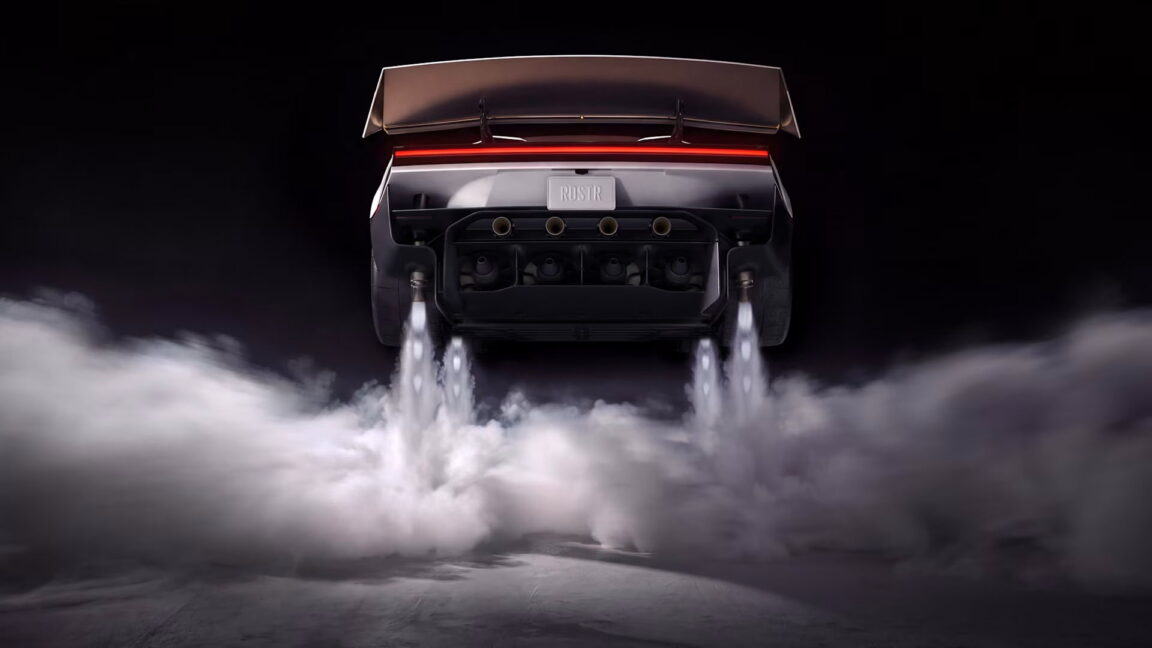
Ferrari CEO Benedetto Vigna said at a recent car conference in Milan that the flying roadster “certainly shows that there is a lot of work to be done in the automotive world as well.”
Tesla is already driving widespread change across the industry. Like Mr. Musk’s company, China’s Xpeng, South Korea’s Hyundai and Japan’s Toyota are expanding their robotics businesses. In the United States, General Motors and Ford are pursuing new revenue opportunities in energy storage.
Autonomous driving becomes a major battleground
Autonomous driving has become a major battleground for the global auto industry as electric vehicles with similar ranges and prices become increasingly common.
RBC Capital Markets analyst Tom Narayan described Tesla as “a classic case of an innovative company being disruptive and other companies following suit because they don’t want to be left behind.”
Among traditional automakers, General Motors last year hired former Tesla executive Sterling Anderson to oversee product development. He was tasked with developing a new generation of fully autonomous personal cars for the Detroit automaker.
Other European automakers, including BMW and Mercedes-Benz, are partnering with technology companies such as Qualcomm and Nvidia to introduce “Level 2 Plus” driver-assistance systems. These systems require active monitoring by a human driver behind the wheel.
Automakers pursue software and subscription revenue
“Today’s major car manufacturers… are completely rethinking their strategies,” said Yigal Reichelgauz, CEO of Israeli self-driving technology startup Autobrains. He added that manufacturers want to move toward subscription models featuring more advanced eyes-off technology to generate new revenue.
Volvo Cars CEO Håkan Samuelsson acknowledged Tesla’s position as a frontrunner in self-driving technology.
“Tesla is probably leading development in the West,” he told the FT, but insisted that Volvo remains firmly in the lead in software. “We are working with NVIDIA to develop door-to-door self-driving cars that will soon be installed in new Volvo cars.”
Additional reporting by Mari Novik in London.
© 2026 Financial Times Company. Unauthorized reproduction is prohibited. May not be redistributed, copied or modified in any way.
Source: arstechnica.com