


New World screwworm flies have returned to the United States, with the infestation spreading to Arizona after cases were reported in New Mexico and Texas. The flesh-eating larvae have been found in 74 animals so far, while a larger outbreak in Mexico has sickened hundreds of people and caused nine deaths.
This week, Arizona became the third US state affected by the New World screwworm (NWS), a parasitic fly whose larvae feed on living tissue. According to the latest confirmed case data, 74 animal cases have been reported since the fly re-entered the United States in June.
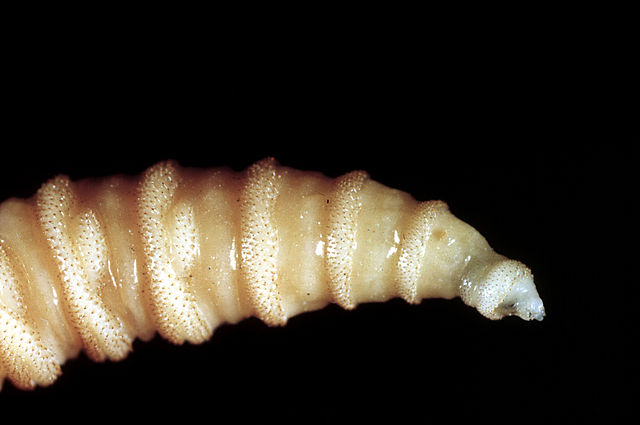
Female screwworm flies lay hundreds of eggs in an animal’s wound or another moist opening. After hatching, the larvae burrow into living flesh and feed voraciously. Their screw-like shape allows them to twist deeper into tissue, causing severe and sometimes fatal wounds before the mature larvae drop to the ground and emerge as adult flies.
A parasite once eliminated from the United States
New World screwworm poses a major threat to livestock, but it can also severely affect wildlife, domestic pets and, in rare cases, humans. The United States eliminated the fly in the 1960s by releasing sterile male flies, a strategy that reduced breeding success.
For years, biological barriers along the Darién region on the Panama–Colombia border helped keep the pest out of North America. In 2022, however, that barrier was breached, allowing the flies to move north through Central America and eventually return to the United States.
Animals and people are at risk
Although livestock industries face the greatest economic threat, no warm-blooded animal is completely safe from infestation. Pets, wild animals and humans can all be affected if the flies gain access to an open wound or moist body opening.
According to the latest data from the Mexican Ministry of Health, Mexico has confirmed 806 human screwworm infestations since the fly’s re-emergence. Nine people have died from the infections caused by the larvae.
Source: arstechnica.com