


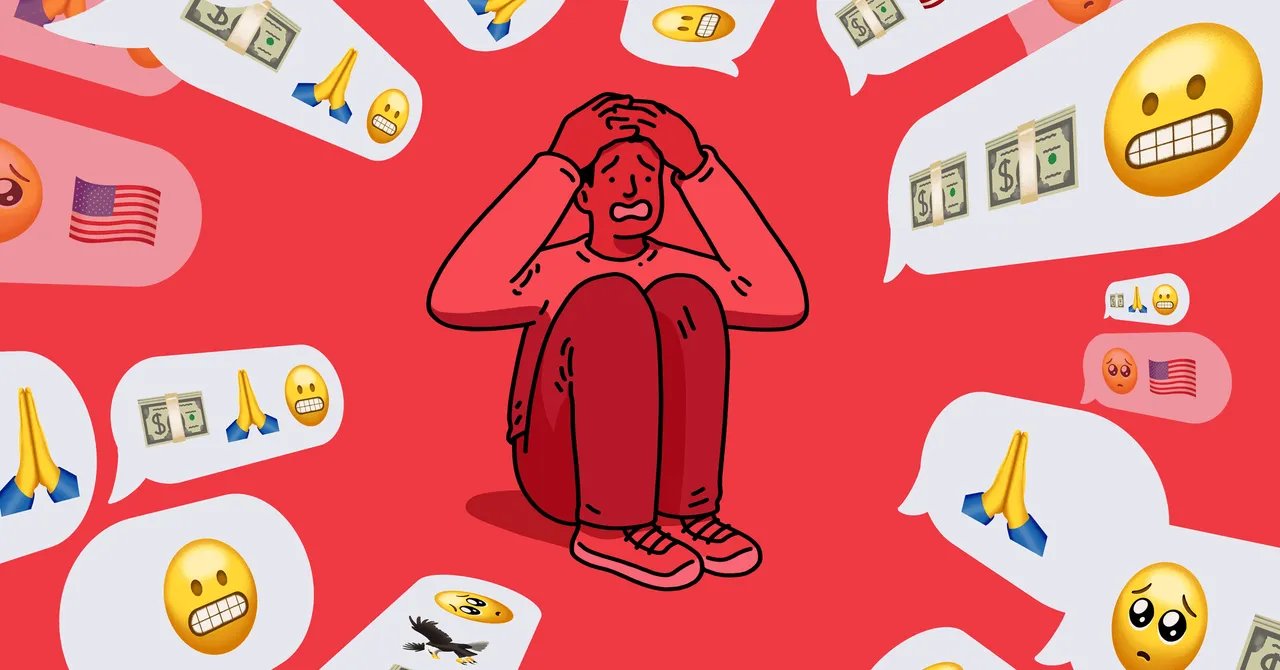
Political fundraising texts intended for a California donor named “John” have repeatedly been sent to a New York resident with a different name, phone number and bank account. Despite 49 “STOP” replies since 2021, including a November 2025 cease-and-desist message directed to Jon Ossoff’s campaign, the messages continued. An examination of the texts suggests that shared political-donor databases, tracking codes and rented contact lists may have linked the two phone numbers.
Hundreds of political fundraising messages
For privacy reasons, the California donor will be referred to as John. He is a small Democratic Party donor, while the recipient of the messages lives in New York and has never made a political contribution.
The recipient repeatedly attempted to opt out. According to the phone’s message history, they replied “STOP” 49 times since 2021. On some occasions, “Stop2End” appeared to be the required wording. In November 2025, the recipient sent Jon Ossoff’s campaign a version of “cease and desist,” but the messages continued. Since then, Ossoff’s campaign has sent 13 more messages from nine different numbers.
A Democratic Congressional Campaign Committee email claimed that Bill Clinton, Barack Obama and Joe Biden were personally urging the recipient to take action. The response—“Fuck me.”—also failed to stop the messages.
To understand what was happening, the recipient downloaded their message history and reviewed political texts received in recent years. Since March 2022, the analysis identified 1,735 messages associated with 812 different phone numbers. The volume was substantial, even though very few of the messages were intended for the recipient.
James Carville sent 27 fundraising appeals on behalf of at least a dozen political organizations. Ken Burns asked Jacky Rosen to help elect him, followed by appeals involving Roy Cooper and Sherrod Brown. On April 2, 2025—the day after Cory Booker concluded his 25-hour speech on the Senate floor—the recipient received the same first-person appeal three times within two hours. Each message came from a different fundraiser.
A donor database may have linked the numbers
John is not a particularly large donor. Federal Election Commission records show approximately 160 donations totaling about $1,700 since 2017, with a median gift of $6. In 2025, he made six donations totaling $51.
During the same period, the other phone received 725 fundraising texts explicitly asking for money.
The Democratic Senatorial Campaign Committee alone sent 60 messages from 28 different numbers, including 22 during the first 20 days of October. John had made only one $5 donation to the committee in 2020. The DCCC sent another 41 messages, even though the recipient had contributed $8. House Majority PAC had not received any money from John, as far as the recipient could determine, yet continued sending offers claiming that donations could be increased by 900 percent.
The logic behind the messages is relatively straightforward. Text campaigns are inexpensive and use a strategy similar to many scams: distribute a large number of messages and rely on a small proportion of recipients to respond. The harder question was how the recipient’s number became associated with John’s fundraising profile.
Nearly all of the texts included a link that, after several redirects, led to ActBlue, a platform used by Democratic campaigns to process donations. Many of the links also contained tracking codes—strings of letters and numbers that can identify a fundraising appeal, the message sent and, in some cases, the source from which a campaign obtained a recipient’s contact information.
For example, an October DCCC link contained the following code:
acq_SMS.p2p_fr_2026.10.13_b1_dccc_rent_4 minutes_cent
The abbreviations appear to refer to “acquisition” (acq), peer-to-peer fundraising (p2p_fr) and a rented contact list (dccc_rent). One term appeared repeatedly in tracking strings from otherwise unrelated campaigns: “Sterling.”
Sterling’s role in Democratic fundraising
Sterling Data Company is a smaller firm that uses artificial intelligence to help Democrats identify potential donors. Forbes reported in 2022 that the company’s founder had built a database containing about 30 million political donors. The database reportedly included hundreds of details about some individuals, including the cars they drove and the programs they watched on Netflix. Sterling has said it uses such information to predict which people are likely to donate to particular candidates.
Starling appears to obtain much of its information from other data brokers, combining details such as age, location, political affiliation and donation history into voter profiles that campaigns can purchase or rent.
Nearly half of the 725 political texts received in 2025 contained tracking codes that appeared to reference Sterling. The messages came from dozens of political action committees and campaigns, including the DCCC, DSCC, James Talarico and Mark Kelly.
Federal Election Commission records show that the Biden Joint Chest Committee paid Pounds about $1.87 million for its donor list over a four-month period beginning in November 2023. Around the same time, one of the committee’s text messages arrived on the recipient’s phone with the code strl2b.
The DSCC reported its first payment to Sterling on November 22, 2023. On that same day, the recipient received a message tagged STL2. According to FEC data, the committee has continued paying Sterling, including approximately $250,000 during the summer, ahead of another wave of Sterling-tagged texts.
The recent messages also appeared to use a shared technical platform. Although the campaigns used different web addresses, they relied on nearly identical software and tracking codes, including Tier 1. Sterling’s website promotes what it calls “Tier 1 Contact Data Intelligence,” but it was not possible to determine whether the tracking code and the company’s product are connected or who operates the system.
Still, the evidence suggested that John’s and the recipient’s numbers may have been combined or confused in the Sterling database.
Why the messages keep coming
“High frequency of solicitation is a necessary evil,” Sterling CEO Martin Kurz said when asked about the messages. “Few people donate, so every campaign is chasing the same donors, making mass texting too effective to skip.”
Kurz declined to discuss Sterling’s proprietary data, but acknowledged that the company sends text messages itself and can rent the same records to multiple campaigns. He said Sterling limits how frequently individuals can be contacted, but did not specify those limits.
“There is no perfect contact database,” Kurz said. Even matches made with moderate confidence are generally accurate enough to be useful, he argued. In his view, incorrect numbers usually stop circulating because the recipient does not engage.
Kurz did not acknowledge that Sterling was responsible for the flood of misdirected messages, but he did not deny it either. Instead, he advised people who want the messages to stop not to respond at all.
Legal action may offer another option
There is another possible approach: litigation. At least two people have reached settlements with Democratic organizations over clearly misdirected campaign messages. Those agreements likely included provisions preventing further contact.
However, legal action can require considerable time and effort. Neither lawsuit establishes how an incorrect name became attached to a phone number, so the precise reason the two profiles were mixed remains unknown. The outcome is nevertheless clear: the DSCC contacted the recipient more often than their own mother. Sending “I eat shit” another 100 times is unlikely to solve the problem.
Source: www.wired.com