


Close Menu
HitechubHitechub
    What's Hot
    Science

    Red Stripes in Welsh Caves: Britain’s Oldest Art Finally Recognized After Natural Phenomenon Dismissal

    Science

    Atlantic’s Mysterious Cold Mass: Implications for AMOC Weakening

    Gadgets

    PlayStation 5 becomes a completely silent console and gets more space

    Important Pages:
    • About Us
    • Privacy Policy
    • Terms & Conditions
    Facebook X (Twitter) Instagram Pinterest
    Facebook X (Twitter) Instagram
    HitechubHitechub
    Saturday, June 20
    • Technology
      1. AI
      2. Gadgets
      3. View All

      This is the most popular CEO in the world

      Sectors in which “Chat-GPT” is most often used

      AI Pioneer Expresses Concern About Potential for AI to Surpass Humanity

      Artificial intelligence has begun to “swallow” professions

      What’s new in Android 14

      Europeans have about 700 million old mobile phones in their drawers

      Here’s how you can tell if your phone is being tapped

      “Sneaker X” – computer case in the shape of a sneaker

      Russian Gamers Unite to Prevent Nuclear War: Join the Fight Online

      Challenges of Space Travel: Why Journeying to Space is So Difficult

      NASA Astronaut Casts Historic Vote from Space

      Discover the Future of Comfort: What If You Could Wear a Chair?

    • Science
      1. Space
      2. Wheels
      3. View All

      Galaxies in the universe are growing more slowly than they should

      “Espace” presented the new lander “Apex 1.0”

      The largest asteroid sample ever collected has arrived on Earth

      (VIDEO) Incredible flight of the Parker Solar Probe

      Toyota wants to make a new generation battery with a range of up to 1,200 km

      Meet Toyota’s lunar “baby” that could make exploring the Moon easier

      Microlino – Is this the perfect city car?

      Alfa Romeo 4C gets an electric successor

      Severe Weather Disrupts U.S. Travel: Storms, Floods, and Heatwaves Coincide with World Cup and Holiday Rush

      Scientists Reveal: Earth’s Early Reproduction Was Far From Ideal

      Science Predicts the World Cup Winner: Here’s Who Will Take the Trophy

      113-Million-Year-Old Pterosaur Fossil Uncovers Diet of Ancient Flying Reptiles

    HitechubHitechub
    Home » Scientists Reveal: Earth’s Early Reproduction Was Far From Ideal
    Science

    Scientists Reveal: Earth’s Early Reproduction Was Far From Ideal

    Share Facebook Twitter Pinterest WhatsApp
    Share
    Facebook Twitter LinkedIn Pinterest WhatsApp

    Recent research reveals that the earliest animals on Earth were not capable of reproduction. Their inefficient reproductive methods stifled the diversity of life for millions of years. It was the emergence of sexual reproduction, fueled by environmental stress and competition, that significantly accelerated the pace of evolution.

    In a groundbreaking study, researchers at the University of Cambridge investigated fossils from the oldest known animals, which roamed the planet approximately 574 million years ago. These ancient creatures reproduced asexually, creating offspring from the genetic material of a single parent.

    The findings, published in the journal Natural Ecology and Evolution, address a long-standing question among paleontologists: why has animal life remained relatively stable for eons?

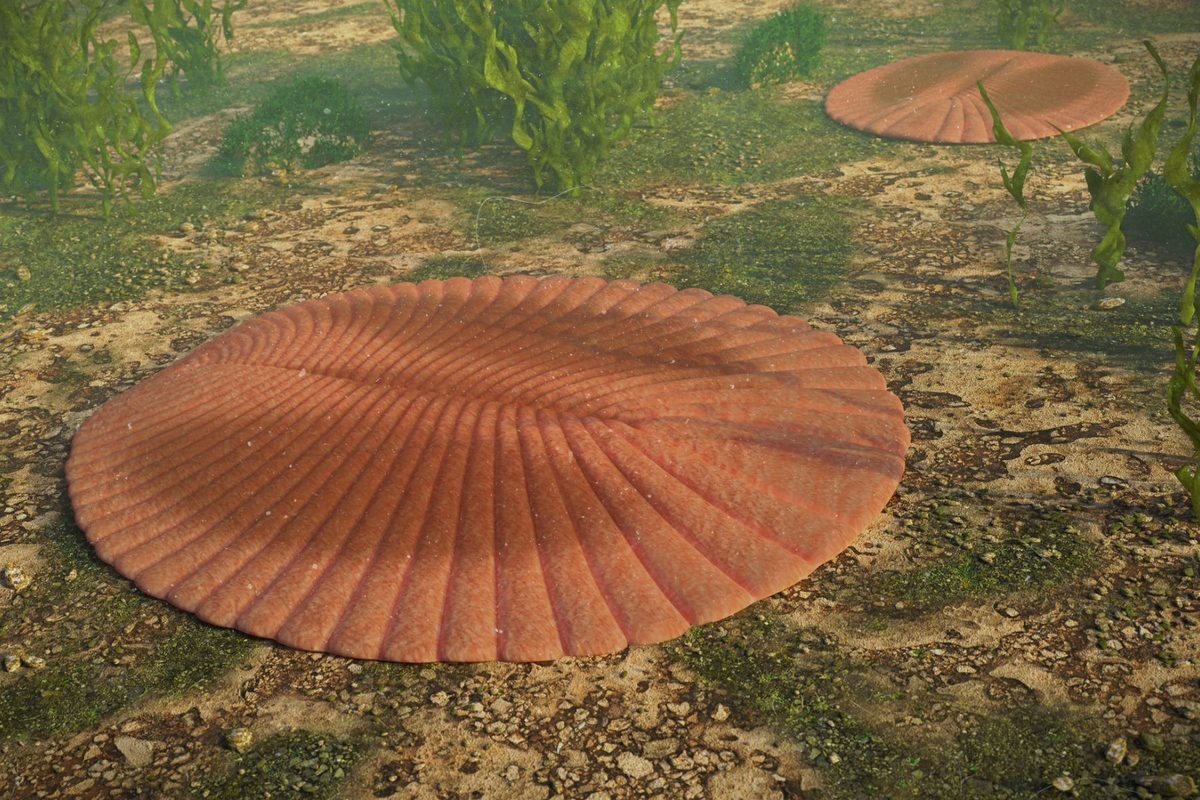
    Among the earliest life forms were Fructophusus, which existed during the Ediacaran period, spanning from 635 to 539 million years ago. Interestingly, these organisms bore more resemblance to ferns than animals.

    Without mouths, organs, or limbs, they likely absorbed nutrients from surrounding water and reproduced asexually by extending clones through runners, similar to modern strawberry plants.

    “Life during the Ediacaran era was so conducive that the necessity for sexual reproduction was minimal,” says Dr. Emily Mitchell from the Cambridge Zoology Department. “With little competition, there was no real incentive for evolutionary change.”

    Mitchell and her team studied fossils at Mistaken Point in Newfoundland, a rich quarry of Ediacaran period fossils.

    They developed a computer model to simulate animal community behaviors under various conditions, helping to explain why early animal communities had few species.

    The first multicellular organisms emerged on the ocean floor around 600 million years ago – Credit: Getty

    During the Ediacaran period, animals thrived in nutrient-rich waters where resource competition was minimal. However, as they migrated from deeper to shallower waters, they encountered new challenges: tides, storms, temperature fluctuations, and changes in trophic levels.

    “Stress naturally triggers sexual reproduction, leading to a significant increase in species dispersal as animals strive to colonize new areas amidst growing competition,” says Mitchell.

    As these early animals adapted to their environments and adopted new reproductive strategies, species began to diversify further. This process was greatly intensified in the subsequent Cambrian period, when animals became more mobile.

    Read more:

    Source: www.sciencefocus.com

    Share. Facebook Twitter Pinterest LinkedIn WhatsApp
    Previous ArticleScience Predicts the World Cup Winner: Here’s Who Will Take the Trophy
    Next Article Severe Weather Disrupts U.S. Travel: Storms, Floods, and Heatwaves Coincide with World Cup and Holiday Rush

    Related Posts

    Science

    Severe Weather Disrupts U.S. Travel: Storms, Floods, and Heatwaves Coincide with World Cup and Holiday Rush

    Science

    Science Predicts the World Cup Winner: Here’s Who Will Take the Trophy

    Science

    113-Million-Year-Old Pterosaur Fossil Uncovers Diet of Ancient Flying Reptiles

    Science

    New Insights: Earth’s First Land Animals Were Likely Not Like Amphibians

    Science

    Why Most Portable Air Conditioners Underperform and How to Choose the Best One for Your Needs

    Science

    Uncovering the Secrets of Mysterious Substances Found on Titan and Pluto

    Science

    Japan’s Eastward Shift: How the 2011 Earthquake Changed the Landscape

    Science

    Uranus Gas Discovery Unveils Ice Core Secrets

    Add A Comment
    Leave A Reply Cancel Reply

    Stay In Touch
    • Facebook
    • Twitter
    • Instagram
    • Pinterest
    Top Picks
    Science

    Flourishing Wildlife on Solar Farm Developed from Restored Peatland

    Meadow Pipit in Solar Park on Peatland in Northern Germany Watt Manufacturer Solar farms on…

    Breakthrough Solution to the Cosmological Chicken-and-Egg Dilemma Unveiled

    Meet Toyota’s lunar “baby” that could make exploring the Moon easier

    Arctic Ocean at Tipping Point: Impending Disasters for Marine Life

    New Walking Shark Species Discovered Near Papua New Guinea Coast

    Most Popular
    Science

    How a Tiger and Goat Became Best Friends Instead of Foes

    Science

    Revolutionizing CAR T Cell Therapy: How 3D Printed Lymph Nodes Can Enhance Accessibility

    Categories
    • AI (13)
    • Gadgets (10)
    • Science (303)
    • Space (9)
    • Technology (37)
    • Wheels (9)
    Our Picks
    Science

    Discover the Truth: ‘Everyone is Lying to You for Money’ – An Essential Cryptocurrency Exposé

    Science

    Discover Hidden Cholesterol-Lowering Supplements You Might Be Taking

    © 2026 Hitechub.
    • Home
    • About Us
    • Privacy Policy
    • Terms & Conditions

    Type above and press Enter to search. Press Esc to cancel.

    We are using cookies to give you the best experience on our website.

    You can find out more about which cookies we are using or switch them off in .

    Ad Blocker Enabled!
    Ad Blocker Enabled!
    Our website is made possible by displaying online advertisements to our visitors. Please support us by disabling your Ad Blocker.
    Go to mobile version
    Hitechub
    Powered by  GDPR Cookie Compliance
    Privacy Overview

    This website uses cookies so that we can provide you with the best user experience possible. Cookie information is stored in your browser and performs functions such as recognising you when you return to our website and helping our team to understand which sections of the website you find most interesting and useful.

    Strictly Necessary Cookies

    Strictly Necessary Cookie should be enabled at all times so that we can save your preferences for cookie settings.