


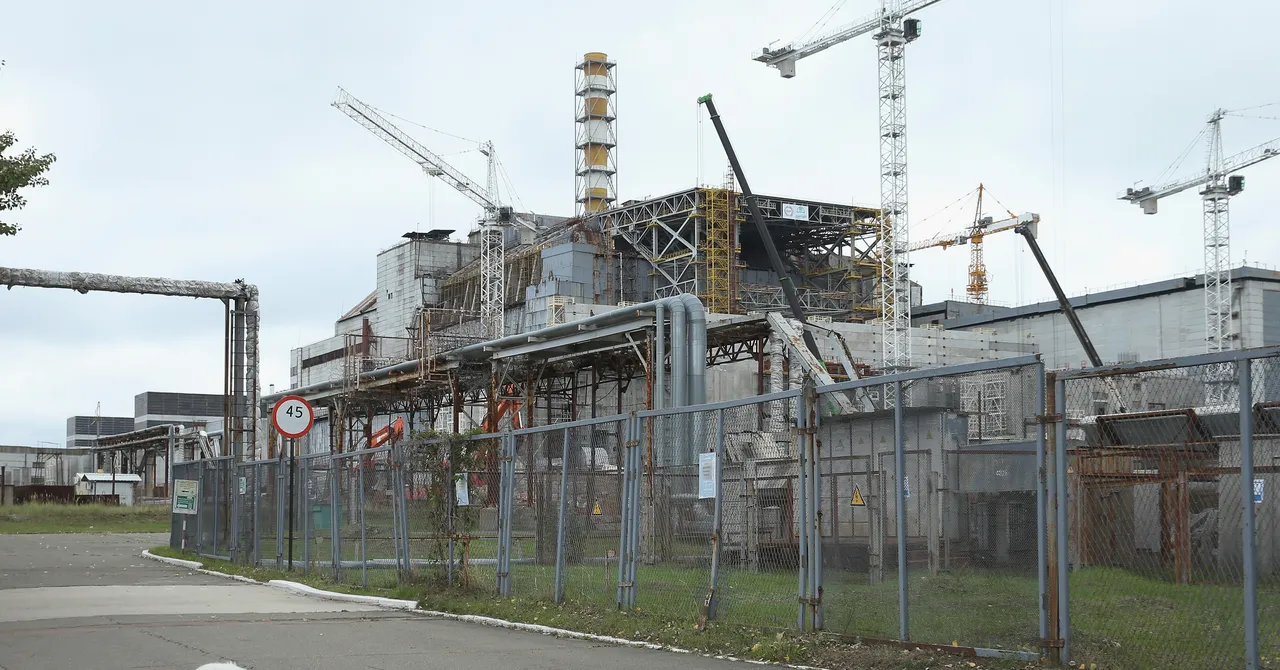
Researchers studying dogs in the Chernobyl exclusion zone lack the long-term samples needed to determine how the population changed after the 1986 nuclear disaster. Scientists can identify genetic differences in the dogs living there today, but they cannot yet establish when those differences emerged or whether natural selection caused them.
Researchers are missing the population’s early history
“It’s like looking at a still image and trying to understand what happened before it,” said Matthew Breen, a professor of genomics at North Carolina State University and lead author of the study. “The first few years were probably the most critical. If they had been selected, the selection process would have taken place at that point.”
Researchers also do not have longitudinal samples that show precisely how the population changed over time. It would be impossible to return to 1986 and collect samples from the dogs that lived in the area.
At the time of the accident, the complete genome sequence of any living organism, including bacteria, had not yet been determined. Breen was a graduate student in England in 1986. “As a radioactive cloud swept across Western Europe, I was driving through the hills of the Welsh mountains, participating in a project to collect sheep from pastures,” he recalled.
The data collected from those sheep did not reveal anything relevant, but genomic technology has advanced considerably since then. The sheep also had not been living for generations at the center of a nuclear meltdown, making direct comparisons difficult.
The exclusion zone has become a wildlife refuge
Nearly 40 years after the accident, the Chernobyl exclusion zone has become a refuge for wild animals. Wolves, deer, wild boars and lynx now roam the area, although researchers believe their resurgence is largely linked to the decline in human activity.
Researchers have observed similar genomic differences in some of these populations, including wolves. However, the findings do not by themselves explain what caused the changes or whether they reflect adaptation to radiation, other environmental pressures or the area’s reduced human presence.
“This really shows nature’s resilience to catastrophic human-induced events,” Breen said. “If you push something in one direction, it can respond by pushing you back or veering off course. I think that’s what we’re looking at here.”
This story was originally published in the Spanish version of WIRED and translated from Spanish.
Additional reporting from Anna Rogers.
Source: www.wired.com