


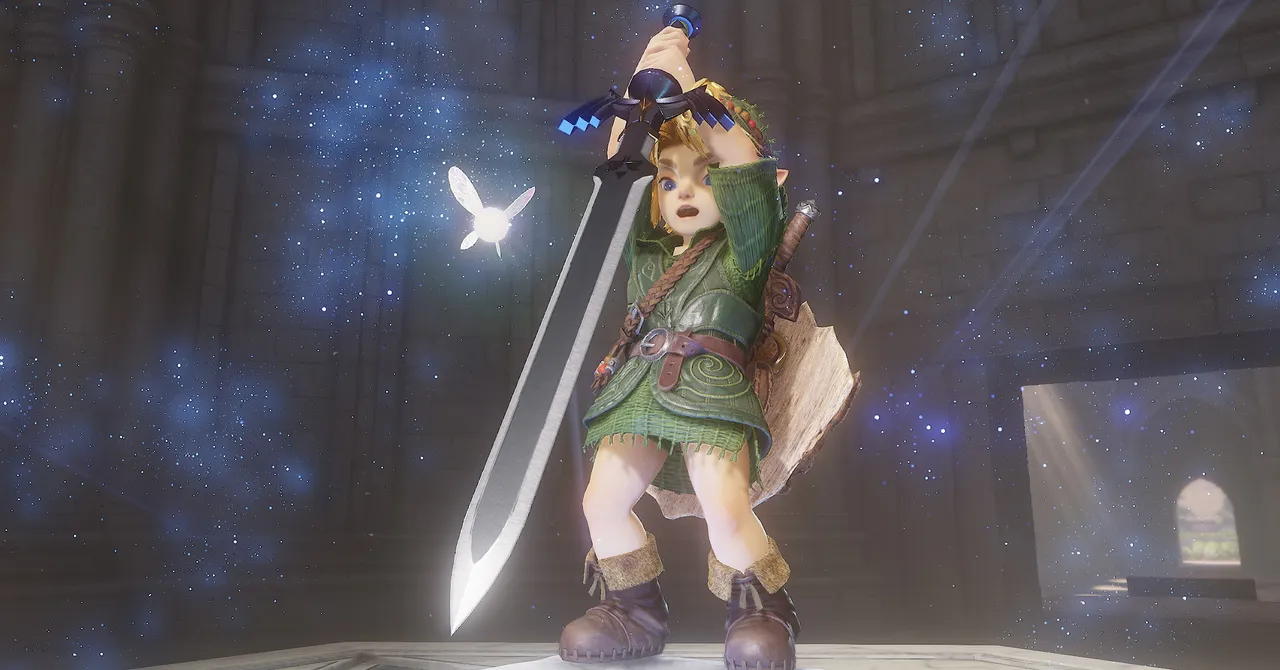
Modern AAA video games are judged not only by their technology but also by their interconnected level design, intricate stories, and highly realistic environments and character models. As games have become more mainstream, anime and manga—once largely regional forms of media—have also become global phenomena over the past three decades, shaping wider cultural tastes and influencing how major game franchises present their characters.
A closer look at Link’s changing design
Clayton Lundgren, a former quality assurance tester at Naughty Dog, currently streams Ocarina of Time on Twitch. He says Link’s new appearance, like many character decisions in games, is unlikely to be accidental.
“For a decision as important as key art for the main character, this is like going through a lot of quality checks at a higher level than the person who drew it,” Lundgren says. “This is what you’ve been doing in merchandising for over 20 years.”
Link’s many forms since 1986
Since Nintendo launched The Legend of Zelda franchise in 1986, Link has appeared in many different forms. His long hat, pointed ears, blonde hair, green tunic, and Master Sword are among his most recognizable traits, but none has remained consistent throughout the character’s four-decade history.
Link has appeared with pink hair and blue or red tunics, and he has also taken on a tree-like form as Deku Link.
What the remake reveals
The remake takes Link’s visual evolution even further. Lundgren has logged at least 1,000 hours with Ocarina of Time, including speedruns, challenge runs, and community contests. When he saw the game’s new trailer, he quickly recognized that the release represented a radical remake.
For many fans, the detailed undergrowth of Kokiri Forest and the sunlight filtering through its trees were evidence that this was not the same Ocarina of Time. Lundgren noticed another significant difference: the undulations of the ground had changed.
Source: www.wired.com