


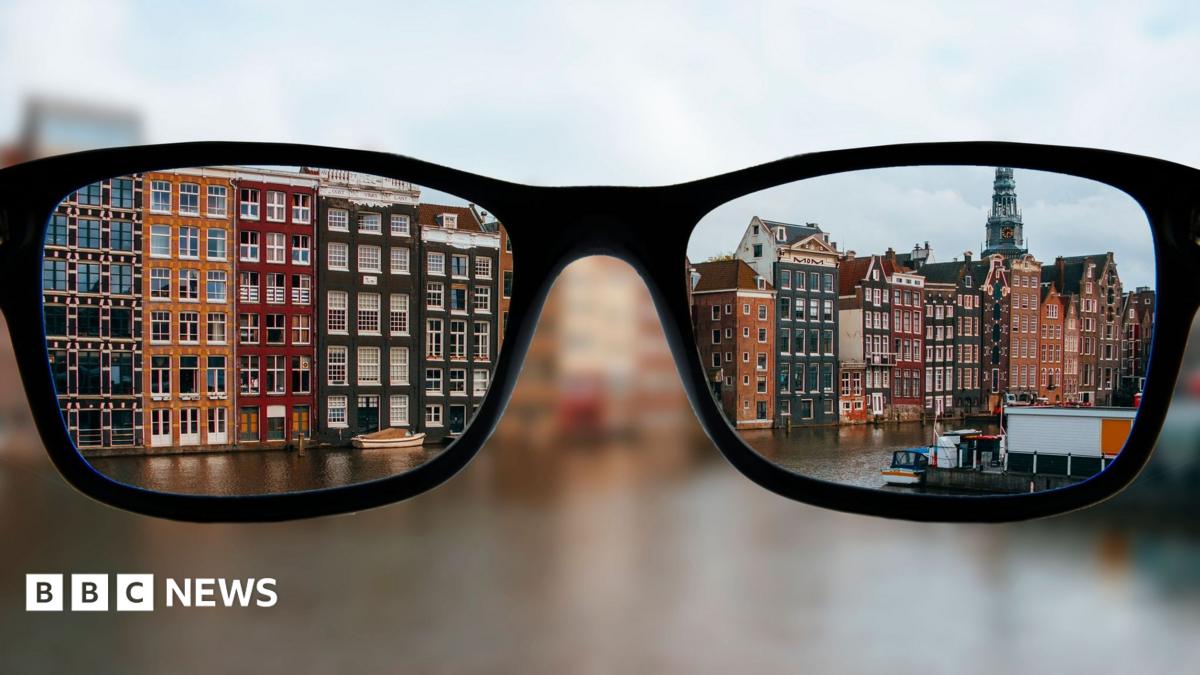
Autoriteit Persoonsgegevens (AP), the Dutch privacy watchdog, has urged consumers not to buy smart glasses after testing six products available in the Netherlands and finding that some produced potentially dangerous errors, including incorrect advice about dating with children, misread medication instructions and false claims that an ambulance had been called.
Dutch watchdog warns of safety risks
AP advised people against purchasing smart glasses but stopped short of calling for a ban on their sale. Officials did not identify the products tested, saying only that they ranged in price from less than 100 euros (about 84,000 yen) to more than 500 euros and were manufactured on different continents.
The findings come amid growing concern about the privacy risks of smart glasses. Critics have warned that the devices could be misused to photograph women without their consent or record people in places where photography is normally prohibited, including medical settings.
Meta promotes potential benefits
Meta, a major smart-glasses retailer, recently released a camera-less version of its glasses. Some commentators suggested the move was a response to the privacy backlash, although it is unclear whether Meta’s products were included in AP’s testing. The Associated Press told the BBC that it would not disclose the names of the products examined.
The BBC has contacted major smart-glasses manufacturers Meta, TCL and HTC for comment.
The companies have highlighted positive uses for the technology, including support for people with visual impairments. Meta has emphasized that its smart glasses use artificial intelligence to describe objects and surroundings and read text aloud.
AP recognizes that smart glasses can be valuable for people who need help understanding their environment. However, the watchdog argues that trustworthy artificial intelligence is especially important for these users because they may rely on the devices to interpret information around them.
Source: www.bbc.co.uk