


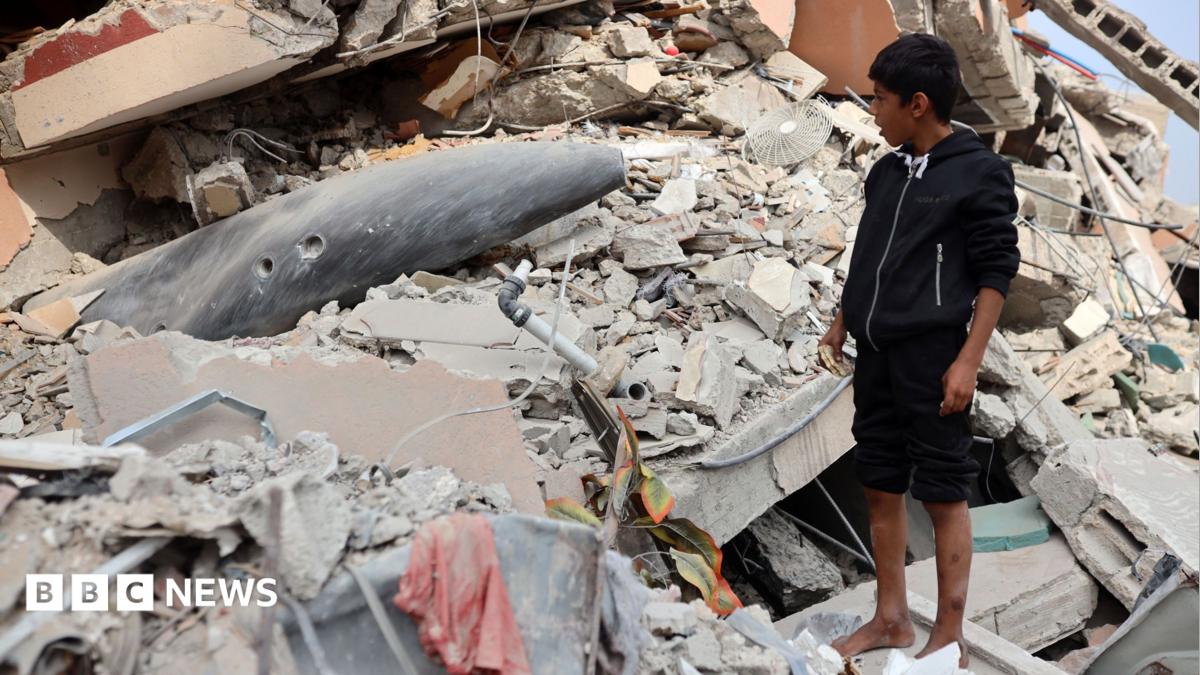
Oxfam and the UK-based Conflict Environment Observatory (CEOBS) say three years of intense war in Gaza have caused severe and potentially long-lasting environmental damage. Their report, described as the most comprehensive assessment to date, combines satellite imagery, remote sensing, spatial analysis and other open-source data to examine the effects of the conflict.
Explosives and debris
The report details how munitions used in Israel’s heavy shelling, along with debris from destroyed buildings and infrastructure, are affecting Gaza’s environment. In February, the UN Special Rapporteur said that more than 200,000 tonnes of explosives had been dropped on Gaza in almost two years—“equivalent to the total energy of approximately 13 Hiroshima-type nuclear bombs.”
Last year, the United Nations Environment Programme (UNEP) estimated that Israeli military operations had generated more than 61 million tons of debris across the territory by destroying homes and infrastructure. About 15% of that debris was considered at high risk of contamination with potentially hazardous substances.
“Many of these pollutants persist in the environment and will have long-term, chronic health effects,” Rama Abdul Samad, an author of the Oxfam report, told the BBC.
She said people in Gaza, both now and in the future, are likely to face increased rates of respiratory disease, cancer and organ damage, as well as more birth defects and stillbirths.
Source: www.bbc.co.uk