


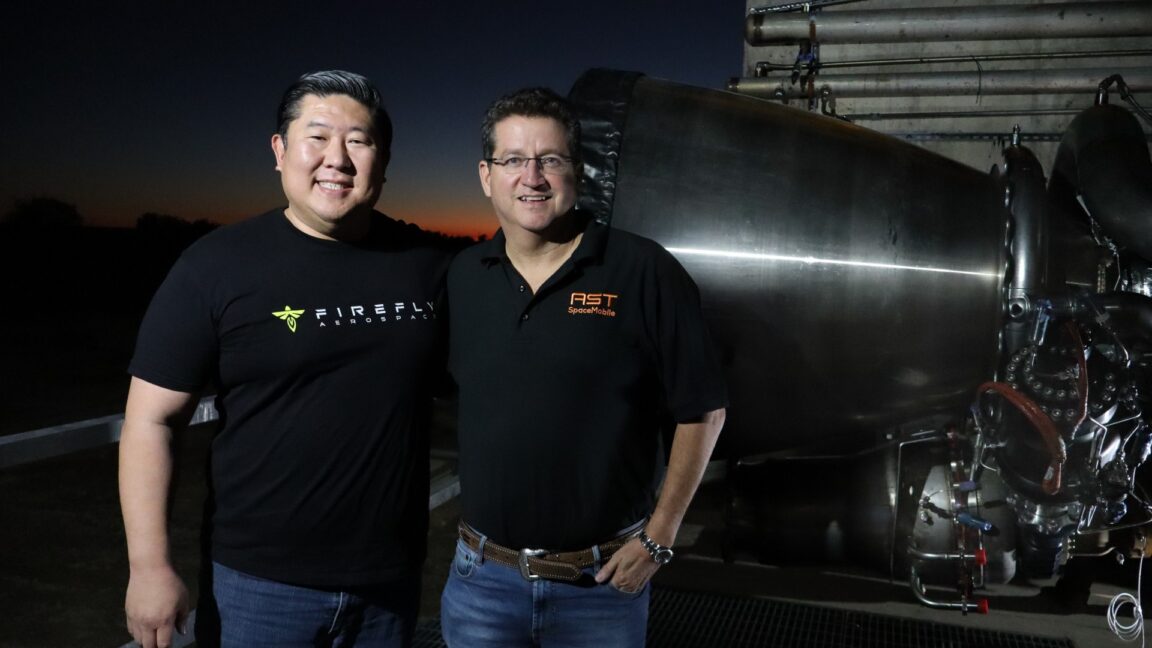
SpaceX developed its Falcon 9 in 4.7 years, but the company had already spent years building Merlin engines and preparing its smaller Falcon 1 rocket. The development history of other medium- and heavy-lift launch vehicles suggests that newer companies typically need five to nine years to reach their first orbital launch. AST SpaceMobile says its agreement with Firefly could give its Blacklift rocket a head start by supplying engines, engineering support, and manufacturing rights.
A comparable launch development schedule
Nearly 20 years ago, in 2005, SpaceX became the first purely commercial launch startup to announce plans for a new medium-sized rocket. The company still holds the record for the fastest orbital rocket development with Falcon 9, which took 4.7 years to develop.
SpaceX, however, had several important advantages. By that time, the company had been operating for more than three years, had extensive experience with Merlin engines, and was less than a year away from launching its smaller Falcon 1 rocket for the first time. In retrospect, SpaceX also had a highly talented engineering team.
The early Falcon 9 was significantly smaller than the recently announced Blacklift and Big Iron vehicles, too. In its initial form, Falcon 9 could lift approximately 10 tons.
Other companies have followed with medium- to heavy-lift vehicles. Since 2015, United Launch Alliance has introduced Vulcan; Rocket Lab has announced Neutron; Relativity Space is developing Terran R; Firefly and Northrop Grumman have announced Eclipse; and Stoke Space has announced Nova. Their planned payload capacities range from approximately 7 to 27 tons. Blue Origin’s New Glenn is considerably larger than all of these vehicles.
So far, only Vulcan has reached orbit. Its development took 8.7 years, despite the vehicle being backed by a highly experienced launch team. Federal support for the program totaled approximately $2 billion across its suppliers.
Overall, the record of these launch companies indicates that developing a new medium- or heavy-lift rocket generally takes five to nine years from announcement to first orbital launch. Many of the companies also began with smaller rockets or brought other valuable launch experience to their larger programs.
AST SpaceMobile is securing the engines
AST SpaceMobile’s counterargument is that it is not starting entirely from scratch. The company announced Friday that it had signed an agreement with Firefly to supply engines for the first three Blacklift rockets, provide three years of engineering services, and grant AST SpaceMobile a perpetual license to manufacture Firefly’s Miranda and vacuum-variant Vira engines.
Nine Miranda engines will power the first stage of each Blacklift rocket.
Source: arstechnica.com