


Food inflation is putting greater pressure on poorer households in India, especially in rural areas, while rising prices for staple foods and cooking essentials are making everyday meals more expensive. In October, the bottom 20% of rural households faced 6.9% inflation, compared with 6.5% for the top 20%, according to calculations by Dharmakirti Joshi, chief economist at analytics firm Crisil. The corresponding figures in urban India were 6.1% and 5.3%.
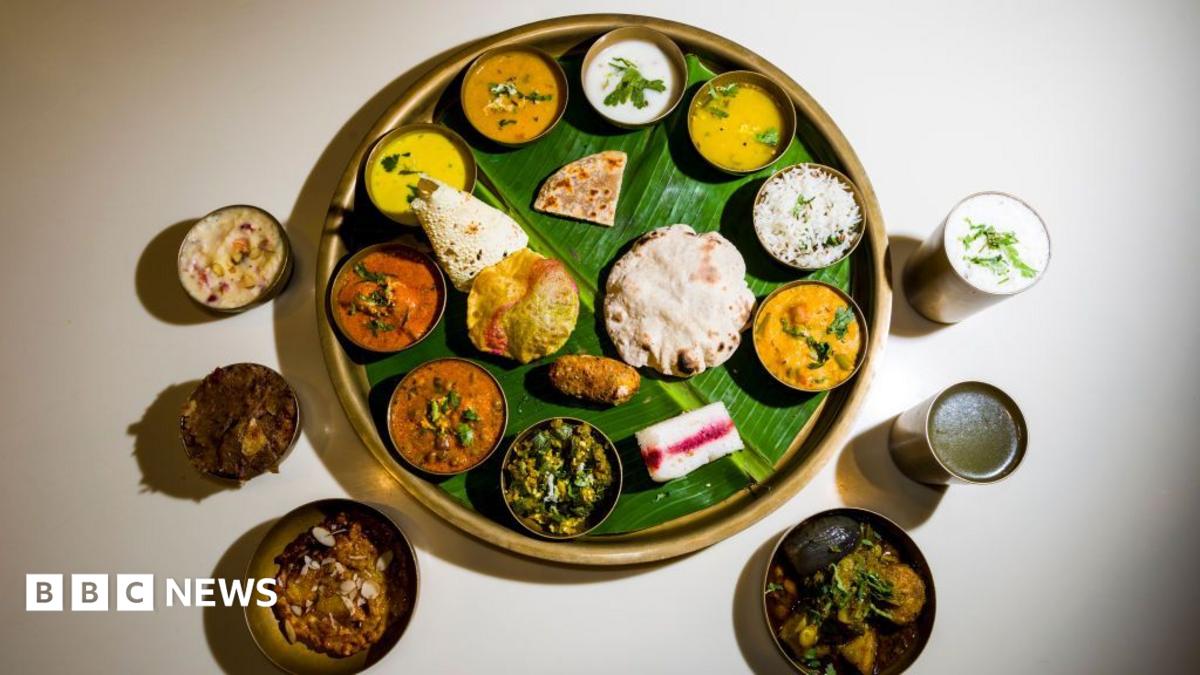
The pressure is also evident in the cost of simple meals. According to Crisil’s Roti rice rate analysis, the price of a home-cooked vegetarian thali rose 12% in October from the same month a year earlier, driven by higher prices for onions, tomatoes, other vegetables, cooking oil, rice and cooking gas. Non-vegetarian thalis were 9% more expensive.
Pushan Sharma, head of information at Crisil, said rice prices had risen by about 10% from a year earlier, pulses by 8%, edible oil by 13% and LPG by 10%.
“It’s no longer just a few products that are driving this increase, it’s becoming a bit more widespread,” he said.
Households can reduce onion consumption to some extent when prices rise, Sharma said. Substituting rice, pulses and cooking oil, however, is much more difficult.
Supply chains add to food-price pressures
Food inflation is not determined solely by what farmers produce. The efficiency of food storage, processing and transportation is also important. Weaknesses at each stage can turn seasonal shortages into sharp price increases, while periods of oversupply can result in waste.
Onions are particularly vulnerable to seasonal price fluctuations. The rabi crop—a winter crop sown after the monsoon and harvested in spring—accounts for about two-thirds of India’s onion production. It is harvested in March and April and stored for several months. As stocks run down, prices can surge before the next crop arrives.
Tomato prices, by contrast, tend to rise sharply during the summer. Supplies decline in some markets, while heat affects production.
Sharma said fresh produce often causes sudden spikes in food inflation. Staple foods such as rice and wheat generally become more expensive gradually, but their prices can remain high for longer.
“It’s the perishables that are causing the fluctuations. Non-perishables like rice and wheat are structurally driving up costs,” he said.
Economists say India still lacks sufficient infrastructure to sort, grade, store and process much of its fresh produce.
Tomatoes, for example, can be produced in such large quantities during periods of oversupply that farmers struggle to sell them at remunerative prices. A few months later, consumers may face significantly higher prices.
Source: www.bbc.co.uk