


Biomedical innovation has produced major scientific and economic gains, but market incentives often leave diseases such as depression, kidney disease and antimicrobial-resistant infections under-researched. A mission-driven public–private partnership (PPP) model, with governments acting as strategic investors, could direct research and drug development toward areas of unmet public need while sharing the resulting benefits with society.
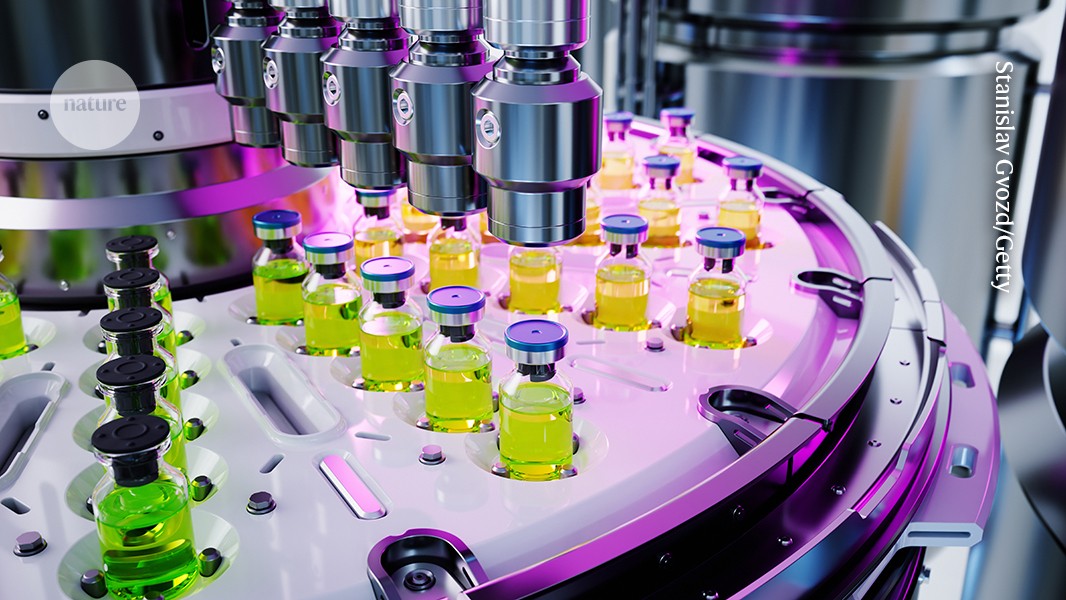
New models of research and development are needed to incentivize manufacturers to research diseases in which they cannot reliably win.Credit: Stanislav Gvozd/Getty
For decades, most countries have used a similar model for biomedical innovation. Universities and other academic institutions have mainly conducted basic research, while private companies have led efforts to translate discoveries into treatments and other health solutions.1
This approach has generated substantial financial activity as well as important medicines and treatments. In 2022, the pharmaceutical sector contributed USD 2.3 trillion, or approximately 1.7%, to global gross domestic product (GDP) and supported 75 million jobs.2

How tech billionaires are destroying biomedical science
However, market failures are common. Companies have underfunded drug development for widespread illnesses whose biological mechanisms remain poorly understood, including depression, anxiety and kidney disease, because these areas can be commercially risky or unprofitable.3
One proposed response is an adaptive innovation model based on mission-driven PPPs, with governments acting as lead strategic investors. By bringing together leading academic and industry scientists and reducing the risks of industrial development in disease areas with limited public understanding or commercial potential, the model could accelerate translation, improve health and generate economic returns.
Such a system would need mechanisms to ensure affordable access to medicines and treatments, along with revenue-sharing arrangements between public and private partners so that the public receives benefits and investment in innovation is supported.
Unmet disease burden
Complex diseases affecting large populations create persistent health and economic burdens. Yet current biomedical innovation models have struggled to meet changing health needs. Private investment is generally based on assessments of risk and return, favoring diseases with clearly defined biological mechanisms and strong commercial prospects. Diseases that are biologically complex, diverse or associated with uncertain markets often remain under-researched.
More than 300 million people worldwide experienced depression in 2023. The condition is expected to cost the global economy an estimated $12 trillion between 2025 and 2050.4 In 2024, one in five people in the United States will report having been diagnosed with major depressive disorder during their lifetime, creating an annual economic burden of $334 billion in medical, household and payroll costs.5 Yet the main drug class used to treat depression, selective serotonin reuptake inhibitors, has remained largely unchanged since the 1970s.6

A grand plan to transform mental health care — by personalizing mental health care
Other chronic illnesses also impose substantial burdens. Chronic kidney disease affects approximately 800 million people worldwide, or almost one in seven people, and is predicted to become the world’s fifth-leading cause of death by 2040 if current trends continue.7,8 Existing treatments, however, cannot stop the damage to human life.
Antimicrobial resistance is associated with 4.7 million deaths worldwide each year and could cause 10 million deaths annually by 2050. The additional cost of treating patients with resistant infections reaches $1 trillion per year.9 At the same time, the antibiotic-development pipeline is shrinking because economic conditions produce lower returns than those available from other drug classes.9 Contributing factors include inadequate research funding, the short duration of antibiotic treatment and difficult business models. New antibiotics that work must often be reserved as a last resort, after other options have failed.
Discovering a treatment and bringing it to market takes 10 to 15 years and costs between $880 million and $2.3 billion.10,11 About 90% of drug candidates fail after entering clinical research, clinical trials or the approval process.12 When companies cannot determine whether a product will be profitable, they are unlikely to invest in it.
Consequently, many diseases and conditions have no effective treatments, or only a small number of them.13 A mission-driven strategy could direct scientific capacity and industrial development toward public needs by clarifying biological mechanisms and aligning incentives in areas where market forces alone are insufficient.14
A targeted approach
The proposed solution is to reconceive the government’s role in treatment development through a mission-driven PPP model. This would complement the existing subsidy-based system and make governments key investors in selected areas of treatment research and development.
Governments would help determine which health and scientific areas receive intensive attention and how successful results are deployed for the public good. Such arrangements could address national priorities as well as global challenges. The proposed model has seven components.

An engineer working at a pharmaceutical factory.Credit: Getty
Select disease targets
An independent, government-appointed advisory body or commission would identify priority diseases using transparent, evidence-based criteria. These could include disease burden, economic cost, scientific responsiveness and clear evidence of market failure. Additional criteria could be used to gather and account for public input, helping to maintain trust in the process.
Establish collaboration
Central governments, acting independently or through international consortia, would support basic research into biological mechanisms. Academic basic scientists and industry’s translational experts would work together to reduce the risks of development. Private-sector partners would contribute expertise in drug development, clinical trials, regulatory strategy, manufacturing and commercialization.
Provide initial investment
The PPP would not replace the existing subsidy-based system or market-driven innovation. Instead, it would target disease areas where market risks and incentives do not reliably attract enough private investment. The approach could generate revenue from new products while producing treatments and reducing healthcare costs for society.

Can measuring immune health change healthcare?
In the United States, the proposal calls for $1 billion in federal investment each year for 10 years across specific disease areas. That amount is less than 1.8% of the U.S. government’s total biomedical research spending, which was $54.5 billion in 2024. The federal contribution would be supplemented by a smaller investment, equal to 10–20% of the $1 billion, from philanthropic foundations and industry partners participating in the initiative upon request. Given the cost of bringing drugs to market, a total investment of $10 billion should provide the scale and time required to pursue approximately three major disease targets.10–12
Share returns
Public returns are a central feature of PPPs. Existing biomedical funding is primarily subsidized, so public benefits generally arise indirectly through economic growth, improved health and downstream discoveries. The proposed PPP framework would incorporate public accountability and direct revenue returns.
Governments would use their position as majority investors to promote access, fair pricing and affordability. Conditions such as consent requirements could be used to guarantee access. Pricing systems could take a value-based approach, with health insurers providing reimbursement based on a drug’s value to patients. Affordability provisions, including reasonable-price clauses, could also provide important leverage.
Source: www.nature.com