


Archaeologists working at Uruk al-Juraiba in southern Saudi Arabia have uncovered stone tools, fossilized megafauna and rare plant remains dating to about 125,000 years ago. The findings offer an unusually detailed view of life during the last interglacial period, when parts of the Arabian Peninsula supported lakes, grasslands, abundant vegetation and large animal populations.
A lost Green Arabia filled with lakes and wildlife
The lakeside site lies in the Mundafan region. The research was carried out by the Saudi Heritage Commission, King Abdullah University of Science and Technology (KAUST) and Griffith University, with contributions from specialists in geology, archaeology, botany and micropaleontology and from several international organizations. Published in Science, the study provides new evidence about prehistoric human activity, environmental change and early human presence across the Arabian Peninsula.
Although much of the region is desert today, conditions were very different about 125,000 years ago during the last interglacial period. This warm, humid interval, often called Green Arabia, brought enough water and vegetation to support large animals and human populations.
Using satellite-based terrain modeling, scientists reconstructed an ancient lake that covered approximately 340 square kilometers and reached depths of up to 29 meters. Sediments, the surrounding topography and aquatic remains indicate that the lake was a relatively stable freshwater environment bordered by open grasslands and other vegetation.
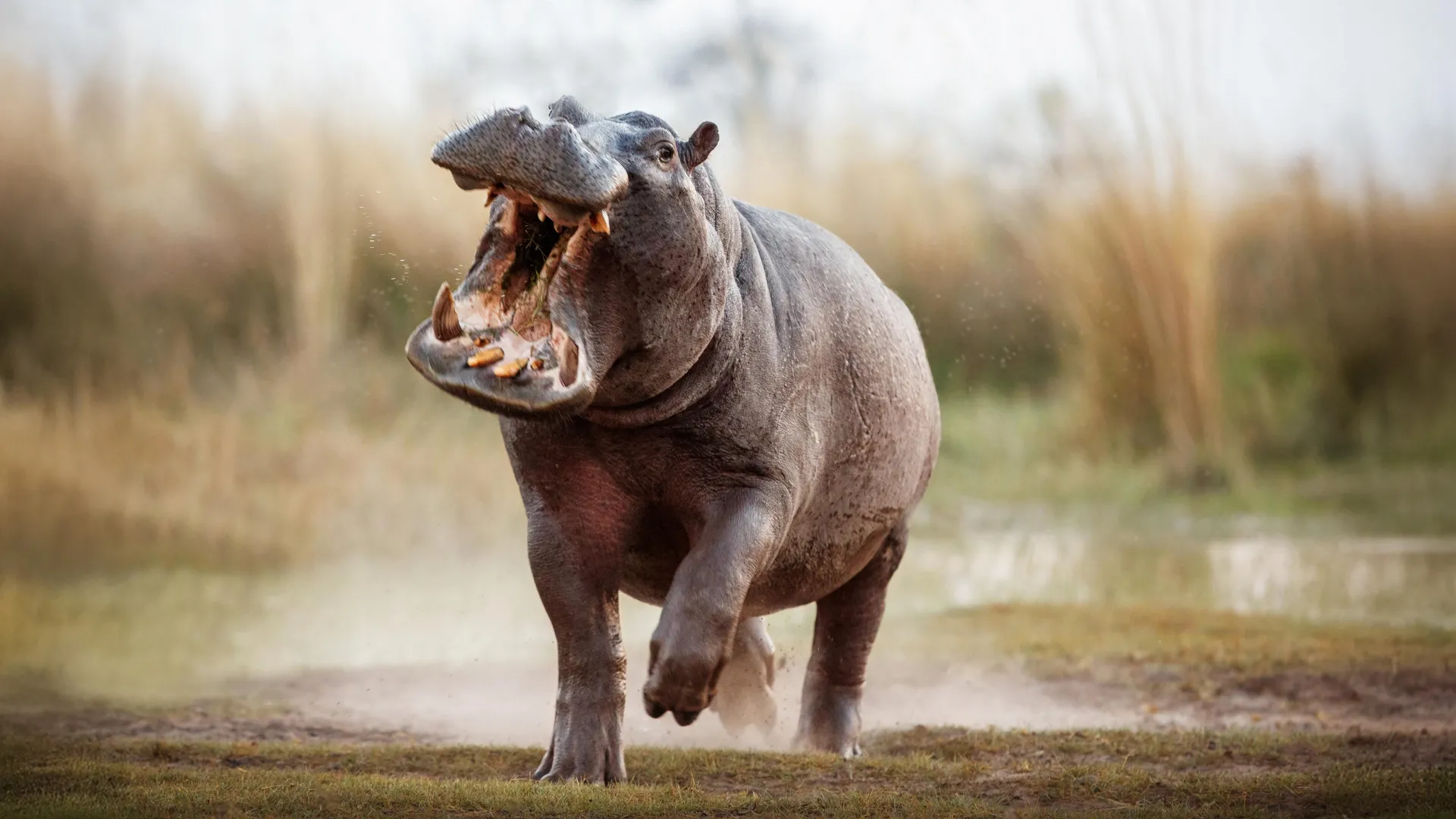
Researchers identified more than 500 fossil specimens of plants and animals, including invertebrates, at more than 130 locations. The animal remains include hippos, extinct longhorn buffalo, camels, Arabian oryx, gazelles and ostriches. Together, the discoveries reveal a rich prehistoric ecosystem that differs sharply from the arid landscape in the region today.
Stone tools reveal early human ingenuity
Archaeologists also recovered 5,511 stone tools larger than 2 centimeters from the main excavation site. More than 98% of the tools are made of flint. Their characteristics show that the makers used the Levallois technique, which involves carefully preparing a stone core to produce flakes of a planned shape.
To investigate how the tools were made and used, the researchers systematically mapped and collected artifacts and fossils using a grid system. They applied two dating methods to sand and fossil teeth, used three-dimensional techniques to determine how stone fragments fitted together, and examined tool surfaces through microscopic and chemical analysis.
The analyses also revealed evidence of how early humans used local plants. Residues preserved on the stone tools contain traces of several plant types, some of which contain toxic compounds. Resinous and woody residues suggest that certain stone points may have been attached to handles or shafts to create hunting weapons.
Other residues point to the processing of tubers, shrubs and palm leaves. These findings suggest that people living around the lake used plants for a range of purposes, including food and everyday activities.
The evidence also raises the possibility that prehistoric hunters incorporated toxic plant compounds into their hunting methods. That interpretation remains preliminary, but it could represent some of the earliest evidence of such a practice identified in Saudi Arabia. The site also contains some of the earliest known evidence of palm-related vegetation in the region.
A rare glimpse of daily life 125,000 years ago
Uruk al-Juraiba is especially valuable because animal fossils, stone tools and plant remains were preserved together in archaeological contexts of the same age. Their association allows researchers to reconstruct a more complete picture of prehistoric life than would be possible from any one type of evidence alone.
The shores of ancient Lake Mundafan appear to have provided an attractive gathering place for early humans, combining fresh water, animals, vegetation and raw materials suitable for toolmaking.
The evidence indicates that people used the environment for many activities, including making stone tools, preparing hunting equipment, processing plants and animals, and working plant fibers. Taken together, the findings suggest that these populations were highly adaptable and made extensive use of the resources available around them.
“It is very interesting to see how the collaboration of so many different experts can reconstruct this unique and complete picture of life, behavior and environments in the distant past,” said KAUST Professor of Geology and co-principal scientist Professor Frans van Buchem.
Dr. Faisal Al Jibreen, a Saudi Heritage Commission researcher and professor of Paleolithic archaeology who participated in the project, emphasized the importance of the Lake Mundafan discovery in the Empty Quarter. He said it helps explain how the ancient environment shaped human and animal life in southern Saudi Arabia during the early prehistoric period.
Reconstructing forgotten chapters of human history
Professor Chris Clarkson, co-principal scientist and professor of archaeology at Griffith University’s Australian Centre for Human Evolution, said: “This site provides a rare and richly detailed view of how people lived in a landscape that bears no resemblance to Arabia today. The combination of animal remains, stone tools and plant material in a single ancient context is what makes this discovery so important.”
By combining archaeological and environmental evidence, the researchers have reconstructed a period of Arabian history that is difficult to imagine from the region’s present-day appearance. The discoveries offer clues about how early humans moved across the Arabian Peninsula, developed technologies and adapted their behavior as environmental conditions changed.
“Saudi Arabia has an extraordinary archaeological heritage. Building heritage science capacity in Saudi Arabia will enable us to turn the smallest traces into the largest stories,” said co-author and KAUST Heritage Research Director Professor Lawrence Happiot.
The study represents a large international effort to investigate the ancient human and environmental history of the Arabian Peninsula. The Saudi Heritage Commission supported the fieldwork, funded the research and facilitated scientific activities during the 2023 season.
The project brought together international universities and research centers specializing in archaeology, ancient environments, history and laboratory analysis, including KAUST, Australia’s Griffith University and King Saud University. The collaboration demonstrates how combining expertise across scientific disciplines can reveal details about human life over thousands of generations.
Source: www.sciencedaily.com