


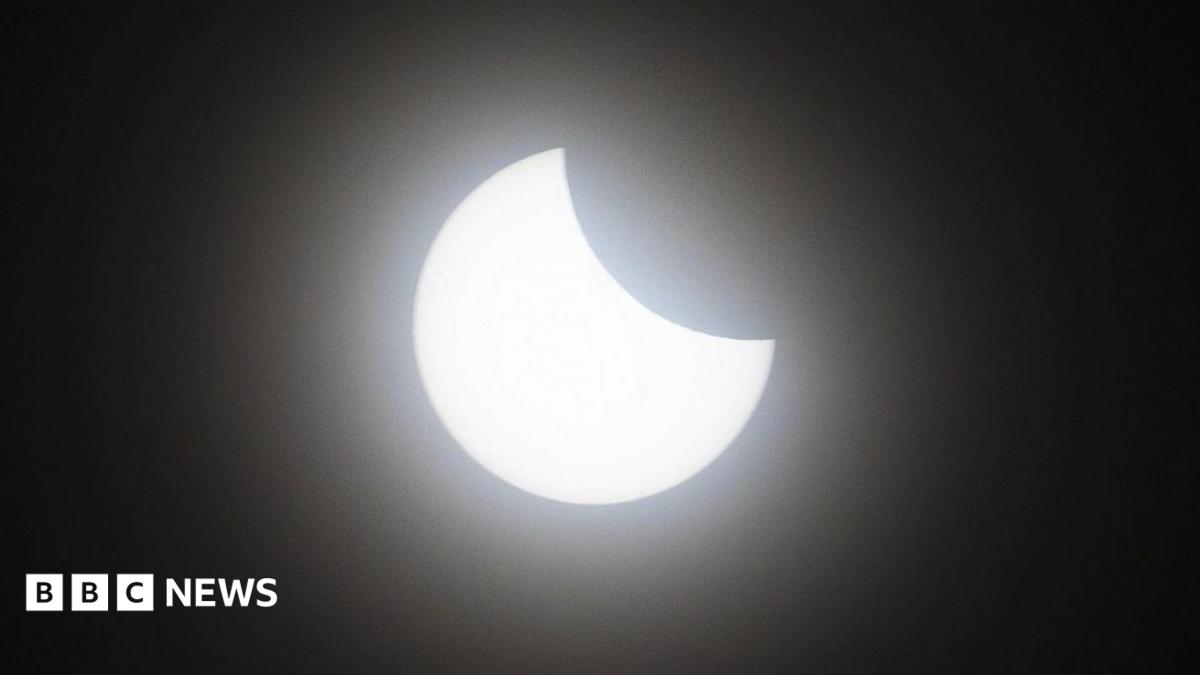
August’s solar eclipse will be the closest the Channel Islands have come to experiencing total coverage of the sun since the total solar eclipse in 1999.
Dean said: “Solar eclipses are not rare globally. A solar eclipse occurs somewhere on Earth approximately every 18 months.
“However, from any one location, a total solar eclipse is usually a once- or twice-in-a-lifetime event.
“For many people who witnessed the 1999 total solar eclipse, this August’s event could be the last major eclipse they see.
“The next total solar eclipse visible from Guernsey will not take place until 2081, so it is still a long way off.”
Clear skies will provide the best view of the August eclipse. However, even if cloudy weather blocks the sun, people may still notice the sky becoming darker, temperatures dropping slightly and birds falling silent.
“That is because this is such a significant eclipse,” she said. “Nature will begin to respond, making the experience feel particularly eerie if the weather is overcast.”
Source: www.bbc.co.uk