


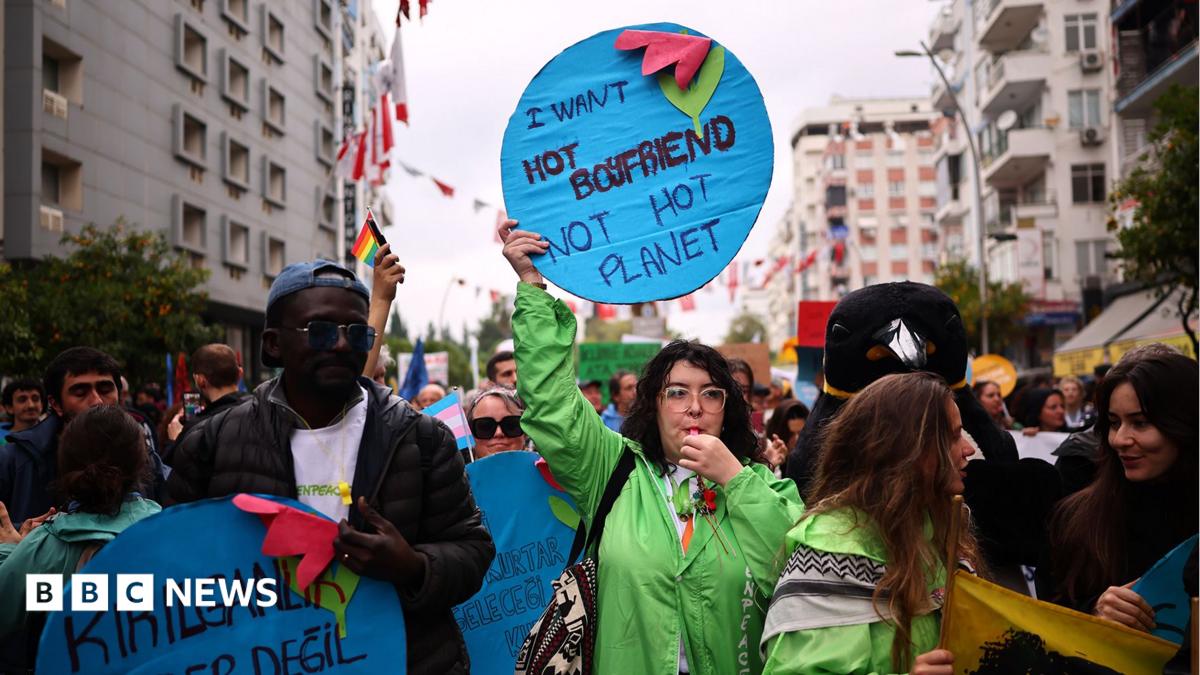
Although climate negotiations in Antalya collapsed over disagreements about fossil fuels and finance, the breakdown did not necessarily signal declining support for climate action. Around 130 governments backed a call for clear language on moving away from fossil fuels—approximately two-thirds of the countries represented in Antalya—while developing nations also pressed wealthy countries for more grants and greater responsibility for climate-related damage.
A call for stronger climate action
Christiana Figueres, who led the UN negotiations that produced the Paris Agreement, said countries were right to walk away rather than endorse weak political commitments that could undermine progress already made.
From this perspective, the collapse was not evidence that the world had lost its appetite for climate action. On the contrary, most governments were calling for more ambitious measures. The question is why those countries could not find a way to move forward without waiting for governments opposed to stronger action.
Disputes over climate finance
The difficulties became even clearer when negotiations moved beyond disagreements over fossil fuels. Konuchenko also focused on climate finance, arguing that much of the money provided by wealthy countries to poorer nations comes as loans rather than grants. Developing countries, he said, often end up repaying more than they received.
“This is the old colonial distribution of labor under a new flag,” he declared.
In a memorable moment, he leaned into the microphone, switched from Russian to English and addressed European representatives directly: “First of all, distinguished representatives of the European Union.”
Russia has its own reasons for criticizing Europe, but the financial grievances are shared by many developing countries. They argue that they are being asked to pay for damage they contributed little to causing, while receiving too little support to adapt to climate change and build cleaner economies.
The European Union had ruled out significant new funding before the negotiations began. Mohamed Addo, a Kenyan campaigner with Power Shift Africa, accused Europe of refusing to accept responsibility for its financial failures and of rejecting the flawed deal.
Source: www.bbc.co.uk