


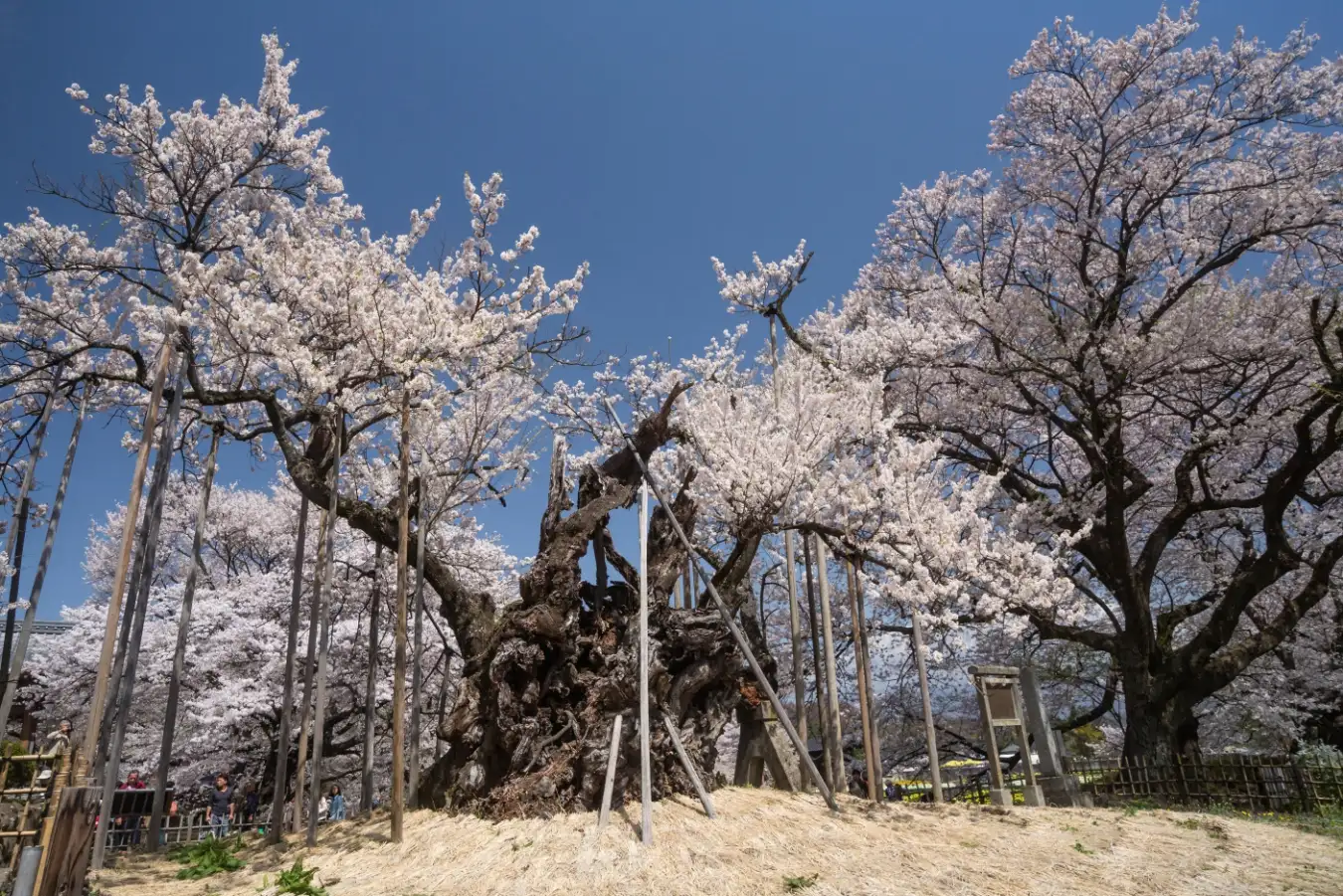
A 2,000-year-old Jindai cherry tree featured in Fumi Koda’s book tree
Horizon Images/Motion/Alamy
Fumi Koda, a notable Japanese author who passed away in 1990, was the daughter of renowned writer Rohan Koda. One of her last works is tree, which chronicles her journey to visit famous trees throughout Japan. This book has recently been translated into English by Charlotte Gough.
In tree, Koda reflects, “A tree goes through its life without saying a word. Even when life twists and turns, they remain silent. I thought that was beautiful, yet profoundly sad.”
tree is filled with introspective narratives that resonate deeply. It offers a contemplative exploration of nature, masterfully presented through the lens of someone nearing the end of their life. This book belongs to the genre of Japanese literature known as essay, which embraces spontaneity and thought without heavy plotting. While her writing feels light and casual, it is infused with originality and fresh insights.

Koda’s explorations often highlight her vulnerability as she encounters trees that have stood for millennia, like the legendary Jomon Sugi cypress on Yakushima Island. This ancient Cedar tree, estimated at 2,000 to perhaps even 7,000 years old, instilled a sense of awe in her. “Honestly, it felt terrifying,” she mused about this encounter.
Another journey led her to the famed 2,000-year-old Jindai cherry tree, revered as Japan’s oldest. Her evocative prose captures the paradox of beauty and fear she felt in the presence of the tree’s rugged roots, aged bark, and delicate blossoms. She poignantly encapsulates the timeless essence of Miharu Takizakura, another iconic cherry tree in Fukushima: “These trees seem to embody generations of life, harboring ancestors from ages past.”
Many readers have been drawn to tree after its appearance in Wim Wenders’ 2024 film Perfect Days, which comes highly recommended. Dive into this book and rediscover the enchanting world of trees.
Note: If you make a purchase through links on this page, we may earn a commission.
Source: www.newscientist.com