


Close Menu
HitechubHitechub
    What's Hot
    Science

    Neil deGrasse Tyson Discusses New Book: Exploring Aliens on Earth and the Fascinating Science of Wormholes

    Wheels

    BMW XM surprises in a moose avoidance test

    Science

    Top New Science Fiction Novels to Read in June 2026: Featuring Adrian Tchaikovsky and M. John Harrison

    Important Pages:
    • About Us
    • Privacy Policy
    • Terms & Conditions
    Facebook X (Twitter) Instagram Pinterest
    Facebook X (Twitter) Instagram
    HitechubHitechub
    Monday, June 8
    • Technology
      1. AI
      2. Gadgets
      3. View All

      This is the most popular CEO in the world

      Sectors in which “Chat-GPT” is most often used

      AI Pioneer Expresses Concern About Potential for AI to Surpass Humanity

      Artificial intelligence has begun to “swallow” professions

      What’s new in Android 14

      Europeans have about 700 million old mobile phones in their drawers

      Here’s how you can tell if your phone is being tapped

      “Sneaker X” – computer case in the shape of a sneaker

      Russian Gamers Unite to Prevent Nuclear War: Join the Fight Online

      Challenges of Space Travel: Why Journeying to Space is So Difficult

      NASA Astronaut Casts Historic Vote from Space

      Discover the Future of Comfort: What If You Could Wear a Chair?

    • Science
      1. Space
      2. Wheels
      3. View All

      Galaxies in the universe are growing more slowly than they should

      “Espace” presented the new lander “Apex 1.0”

      The largest asteroid sample ever collected has arrived on Earth

      (VIDEO) Incredible flight of the Parker Solar Probe

      Toyota wants to make a new generation battery with a range of up to 1,200 km

      Meet Toyota’s lunar “baby” that could make exploring the Moon easier

      Microlino – Is this the perfect city car?

      Alfa Romeo 4C gets an electric successor

      Astronomers Discover the Missing Black Hole Wind in the Milky Way Galaxy

      Earth Scientists Uncover Massive Fan-Shaped Structure Beneath Antarctic Ice

      How Quantum Computers Enhance the Spookiness of Horror Video Games

      Why Superintelligent Machines Might Still Rely on Humans

    HitechubHitechub
    Home » Exploring the Environmental Impact of Lithium Mining on Local Water Sources – Sciworthy
    Science

    Exploring the Environmental Impact of Lithium Mining on Local Water Sources – Sciworthy

    Share Facebook Twitter Pinterest WhatsApp
    Share
    Facebook Twitter LinkedIn Pinterest WhatsApp

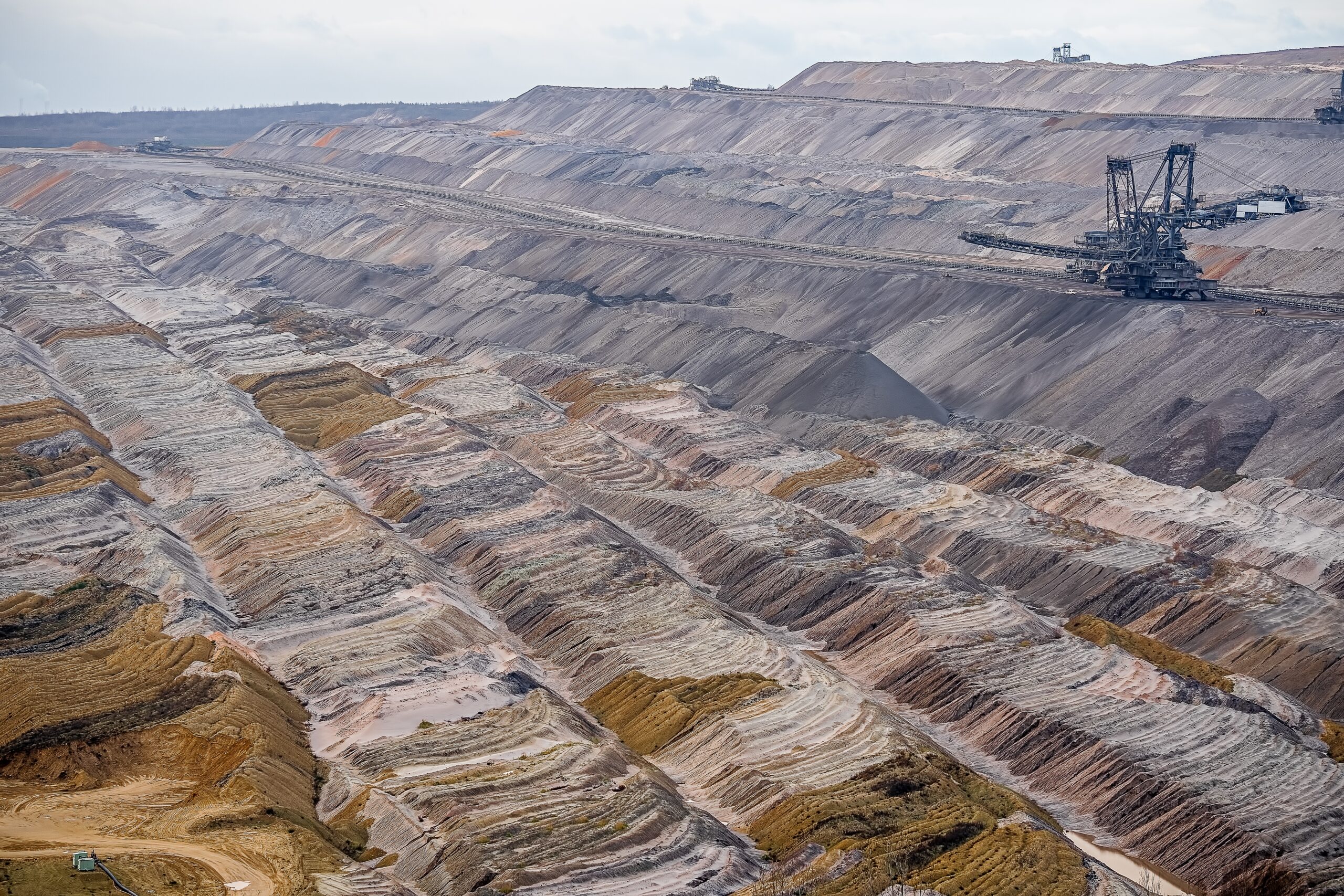
    Electric vehicles and sustainable energy systems rely heavily on metal-based batteries, primarily made of lithium. The surge in lithium usage has led to the rapid growth of the lithium mining industry. This vital metal is predominantly found in volcanic rocks known as pegmatite. While researchers are assessing the carbon and water consumption in pegmatite mining, the implications for local water quality remain unclear.

    Mining pegmatites not only extracts lithium but also other metals commonly present, like rubidium and cesium. Despite limited studies on these trace elements and their environmental impact or potential toxicity, the EPA has associated elevated lithium levels with negative health outcomes, particularly concerning kidney function, neurodevelopment, and thyroid activity. Currently, there is no established safe level of lithium in drinking water, although a preliminary safe limit is suggested to be 10 micrograms per liter (μg/L) according to the United States Geological Survey.

    Researchers from Duke University recently investigated how pegmatite mining influences lithium concentrations in local water bodies and the duration of these effects post-mining. This was achieved by measuring metal concentrations in water downstream from two lithium mines and an adjacent processing facility. The hypothesis was that mining activities may enhance interaction between the rock and surrounding surface and groundwater, thereby affecting lithium concentrations.

    A total of 99 water samples were collected from surface streams, alongside 93 samples from groundwater wells across the Kings Mountain and Holman Beam lithium mines, covering an area of about 40 kilometers (25 miles) along the South Carolina-North Carolina border. To assess natural metal levels, 51 surface water samples were taken upstream of the mines, compared to 48 downstream samples influenced by mining activities.

    Employing an Inductively Coupled Plasma Mass Spectrometer, the researchers analyzed lithium and trace elements such as rubidium, cesium, arsenic, and strontium in the water. Results revealed that lithium levels in surface water surged from background levels of 0.2 μg/L to concentrations ranging from 785 to 1,249 μg/L within a 10-kilometer (6.2 miles) radius of mines. Groundwater samples from mine wells exhibited significantly higher lithium concentrations, reaching 4,500 to 47,000 μg/L, while downstream wells showed much lower levels, between 0.5 to 890 μg/L.

    The study indicated that the lithium detected in groundwater downstream likely originated from the natural interaction between pegmatite rocks and water, rather than directly from mining operations. This idea was reinforced when researchers observed increased lithium levels in groundwater following rainfall, indicating enhanced water-rock interactions.

    Additionally, researchers measured ions like calcium, sulfate, and chloride in the water using an ion chromatograph. Findings showed elevated calcium and sulfate concentrations in surface waters within 10 kilometers downstream of the treatment facility, with levels of 50 to 120 milligrams per liter (mg/L) of calcium and 100 to 300 mg/L of sulfate, compared to background levels of 5 to 20 mg/L of calcium and 3 to 10 mg/L of sulfate. This increase is attributed to pegmatite processing waste composed of calcium sulfate, also known as plaster.

    The researchers noted that mining activities at the site ceased roughly 30 years ago, and the measured lithium concentrations reflect a long-term release from dormant mines and associated waste. Historical data estimates indicate that the mine was likely releasing 10 to 30 times more trace metals when active compared to present measurements.

    In conclusion, the researchers found that processing pegmatite has a more significant impact on downstream metal and ion concentrations than the mining process itself. As lithium mining operations continue to expand, future studies should focus on lithium toxicity as well as the potential environmental effects of co-occurring metals such as rubidium and cesium. The need to develop strategies to eliminate trace metals and dissolved gypsum from water systems or prevent their contamination is imperative.


    Post views:
    103

    Source: sciworthy.com

    Share. Facebook Twitter Pinterest LinkedIn WhatsApp
    Previous ArticleLast Man on the Moon Shares Insights on Artemis II Mission Experience
    Next Article Explore Cosmic Pareidolia: Two Glowing Nebulae Captured in Stunning New VST Image

    Related Posts

    Science

    Astronomers Discover the Missing Black Hole Wind in the Milky Way Galaxy

    Science

    Earth Scientists Uncover Massive Fan-Shaped Structure Beneath Antarctic Ice

    Science

    How Quantum Computers Enhance the Spookiness of Horror Video Games

    Science

    Why Superintelligent Machines Might Still Rely on Humans

    Science

    Explore Cosmic Pareidolia: Two Glowing Nebulae Captured in Stunning New VST Image

    Science

    Last Man on the Moon Shares Insights on Artemis II Mission Experience

    Science

    Mathematician’s Advice: Aim High, But Don’t Shoot for the Moon

    Science

    The Largest Earthquake in History: A Dive into the Richter Scale’s Ultimate Record

    Add A Comment
    Leave A Reply Cancel Reply

    Stay In Touch
    • Facebook
    • Twitter
    • Instagram
    • Pinterest
    Top Picks
    Science

    Reviving Frozen Rat Chromosomes in Mice: A Breakthrough in Genetic Research

    Chimeric Mice with Rat Chromosomes Credit: University of Yamanashi Colossal Biosciences, once a promising venture,…

    Ötzi’s Frozen Remains: Potential Home to Active Microorganisms

    How Earth’s Water Enabled the Evolution of Intelligent Life – Cyworthy

    The 10 Key Security Analytics You Need for Effective Security

    Here’s how you can tell if your phone is being tapped

    Most Popular
    Science

    Ötzi’s Frozen Remains: Potential Home to Active Microorganisms

    Science

    Unveiling the Mystery: Why Tyrannosaurus Rex Had Surprisingly Small Arms

    Categories
    • AI (13)
    • Gadgets (10)
    • Science (132)
    • Space (9)
    • Technology (37)
    • Wheels (9)
    Our Picks
    Space

    Unusual planet with no atmosphere discovered

    Technology

    Essential Guide for Parents: What to Know About Kids’ VR Gear Choices

    © 2026 Hitechub.
    • Home
    • About Us
    • Privacy Policy
    • Terms & Conditions

    Type above and press Enter to search. Press Esc to cancel.

    We are using cookies to give you the best experience on our website.

    You can find out more about which cookies we are using or switch them off in .

    Ad Blocker Enabled!
    Ad Blocker Enabled!
    Our website is made possible by displaying online advertisements to our visitors. Please support us by disabling your Ad Blocker.
    Hitechub
    Powered by  GDPR Cookie Compliance
    Privacy Overview

    This website uses cookies so that we can provide you with the best user experience possible. Cookie information is stored in your browser and performs functions such as recognising you when you return to our website and helping our team to understand which sections of the website you find most interesting and useful.

    Strictly Necessary Cookies

    Strictly Necessary Cookie should be enabled at all times so that we can save your preferences for cookie settings.