


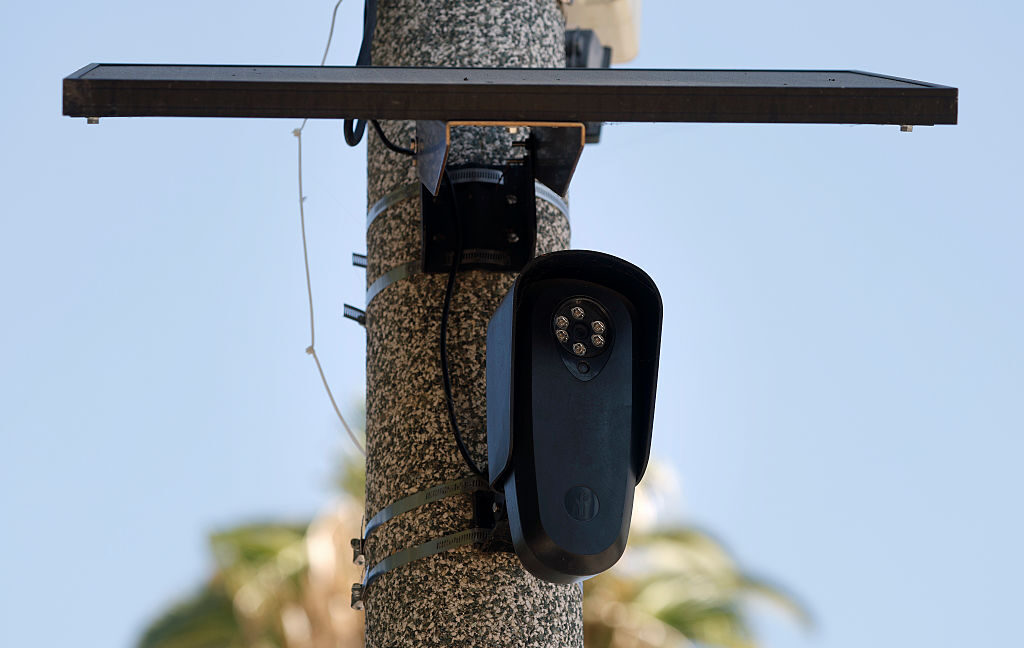
Flock’s case-number requirement may not prevent police stalking
Flock introduced another safeguard intended to prevent police officers from misusing its automated license plate reader network: requiring a case number before searches can be conducted. However, Saira Hussain, a senior staff attorney at the Electronic Frontier Foundation, told SFGate that the requirement may be easy for police to bypass without triggering the company’s auditing tools.
A motivated officer could allegedly provide a false case number and use Flock’s system to investigate or stalk someone, including a romantic partner, without activating a suspension or other warning. “That’s a serious concern, and as a platform, I don’t think we can use technology to get out of this problem,” Hussain said.
The American Civil Liberties Union raised similar concerns. The organization noted that requiring a case number was an optional feature before Flock made it mandatory in July 2025. According to the ACLU, the policy may do little to prevent police abuse if officers can manipulate case numbers to justify their searches.
“This leaves the public wondering how mandating ineffective voluntary safety measures will improve their performance,” the ACLU said.
As Flock expands police access to automated license plate reader data across the United States, the effectiveness of these safeguards will remain under scrutiny. Flock cameras are now installed in every state except Alaska and are used by approximately 7,000 law enforcement agencies, according to The New York Times. That represents roughly 40 percent of all police departments in the country. The ACLU also noted that similar privacy concerns affect competing license plate reader systems operating in areas where Flock does not have contracts.
Although the ACLU acknowledged that police surveillance concerns extend beyond Flock, it accused the company of obscuring the broader issue by announcing new safeguards that “appear more like a thinly veiled PR attempt to counter criticism of a mass surveillance system that promises almost empty security than a serious effort to address real community privacy concerns.”
Citing a database compiled by the Institute for Justice documenting police abuse and stalking allegations in the United States, the ACLU said “serious concerns” remain about how law enforcement uses Flock data—and whether police departments and surveillance technology companies are willing and able to stop misuse.
“Until Flock proves it can develop a reliable and viable system to prevent inappropriate searches, this promise of local control will only provide a false sense of security,” the ACLU said.
Source: arstechnica.com